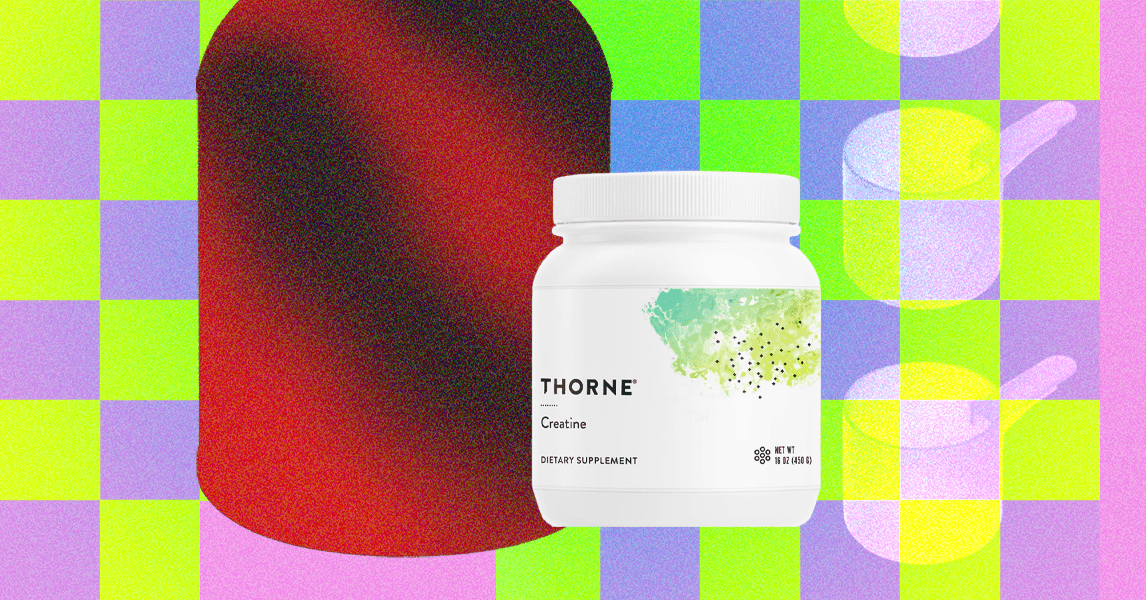
GUMMYsupplements are appealing for one obvious reason: Instead of choking down a chalky powdered drink or swallowing a dubious-smelling capsule, you essentially get to eat some candy. Unfortunately, when it comes to creatine, these products might not contain the essential ingredient they claim. Four of six popular creatine gummy products sold on Amazon contained almost no creatine or none at all when samples were tested by an independent lab.
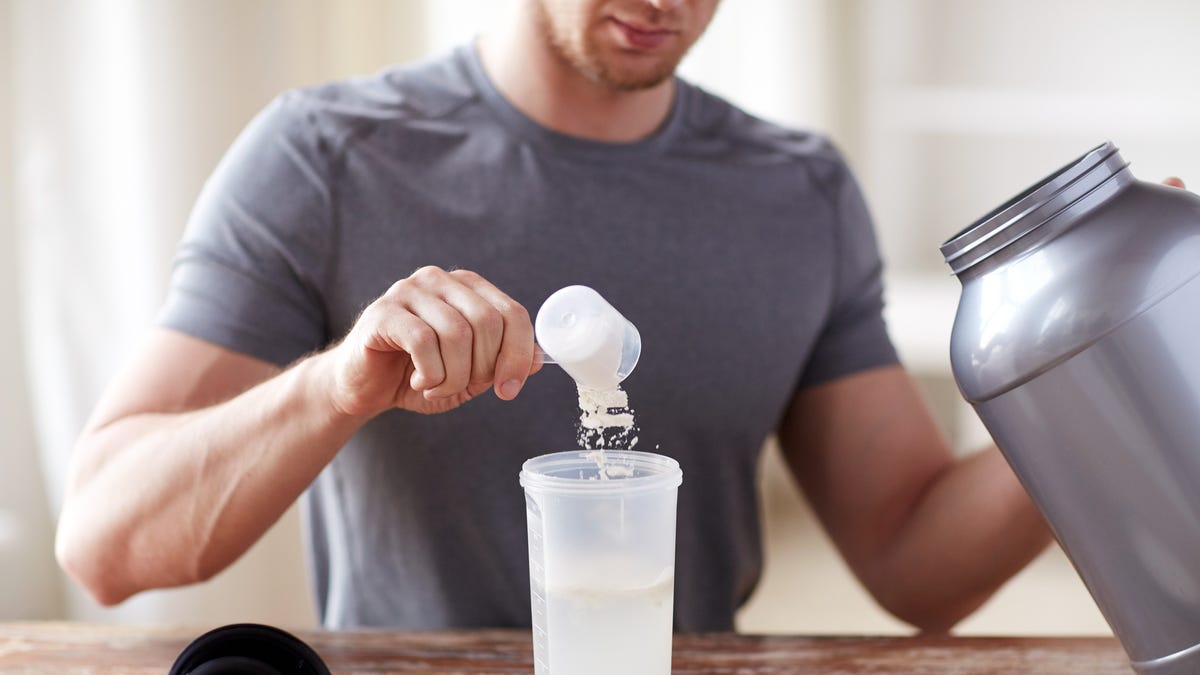
Creatine, a staple supplement for weightlifters and fitness buffs due to its impact on athletic performance, is experiencing a remarkable surge in mainstream popularity. In recent years, the wellness industry has been marketing the substance as a kind of health panacea. Sales are skyrocketing, especially among women. To appeal to as many customers as possible, companies have launched “gummy” creatine products as an alternative to the traditional powdered format. “It’s really having a moment right now,” says Jordan Glenn, head of science at the supplement industry tracking and recommendation platform SuppCo, which ordered the creatine gummy tests. “It’s no longer just a gym bro supplement.”
One of the products SuppCo had tested was the highest-ranked creatine supplement on Amazon. It's made by a brand called Happyummmm, and has been purchased over 50,000 times in the past two months (it even has an “Amazon’s choice” label). The gummy’s label indicates that two gummies make up a 5 gram serving, but the lab SuppoCo hired found that two gummies actually contained .005 grams, under .1 percent of what was listed. This means that someone would have to eat 2,000 Happyummmm gummies to get the listed serving size. (Happyummm’s Hong Kong-based parent company Happygummi Limited does not have a public email or phone number, so WIRED was unable to contact the company for comment.) A person attempting to use Happyummm’s products for a creatine “loading phase,” in which the typical daily dosage is around 20 grams, would need to eat 8,000 gummies a day to get their fill.