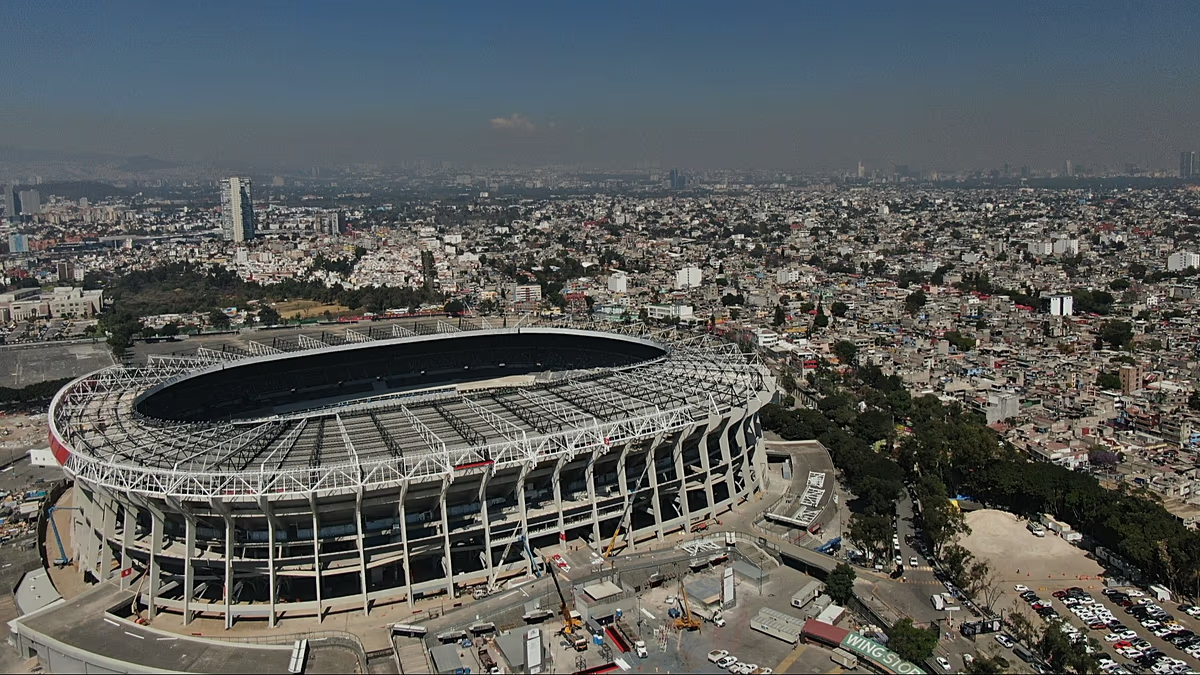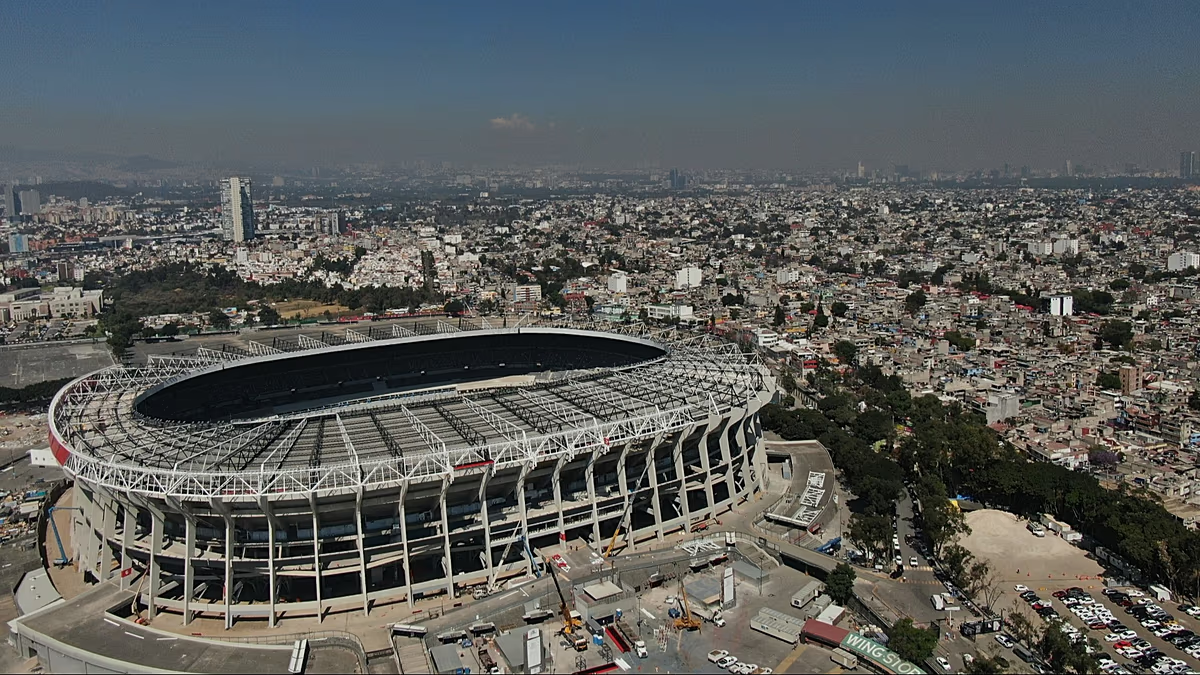
The 2026 tournament will feature more teams and more air miles travelled than ever, casting doubt upon ambitious climate goals
A
s next summer’s World Cup approaches, excitement is building for the biggest global soccer tournament ever held, but so too are concerns over the viability and environmental sustainability of the vastly expanded competition.
Held across 16 cities in the United States, Canada and Mexico, the 2026 World Cup will see the tournament expand from 32 nations to 48 competing for soccer’s most coveted prize. It will be a tournament of unprecedented scale both in terms of the number of teams, and the vast geographical expanse it will cover.
Both of these factors bring significant environmental concerns, however – particularly regarding the tournament’s carbon footprint and the effectiveness of Fifa’s proposed mitigation strategies.