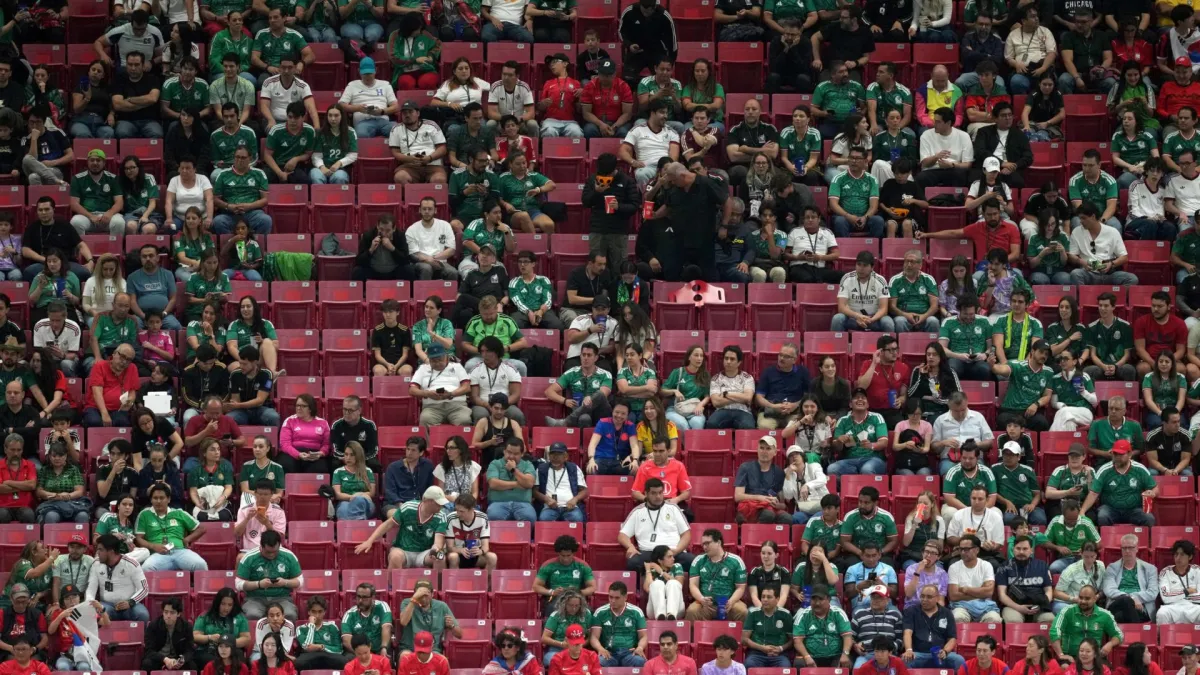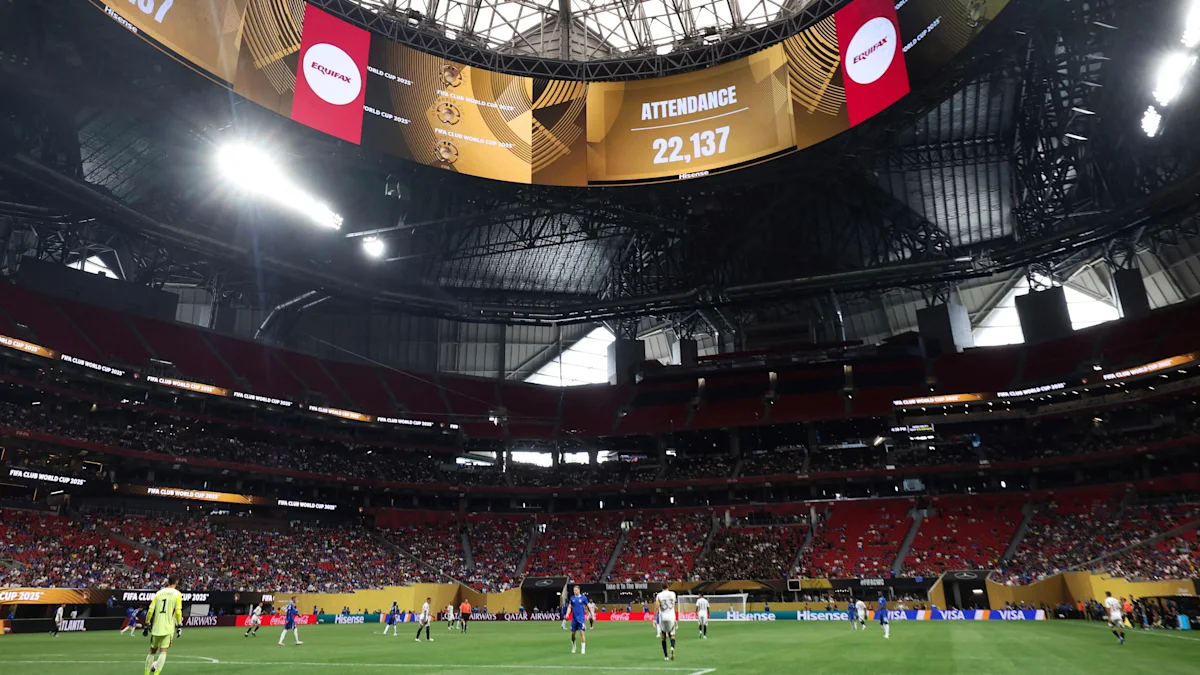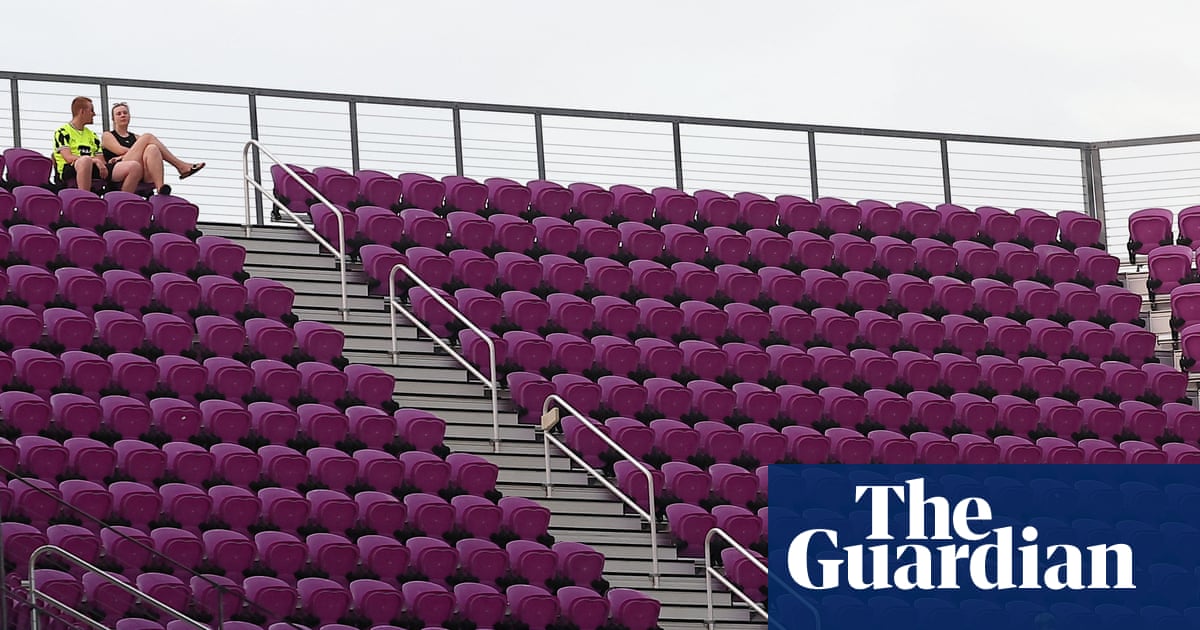
Put in the proper wider context, the attendance issues that have emerged during the tournament perhaps aren’t quite as embarrassing as they seem
I
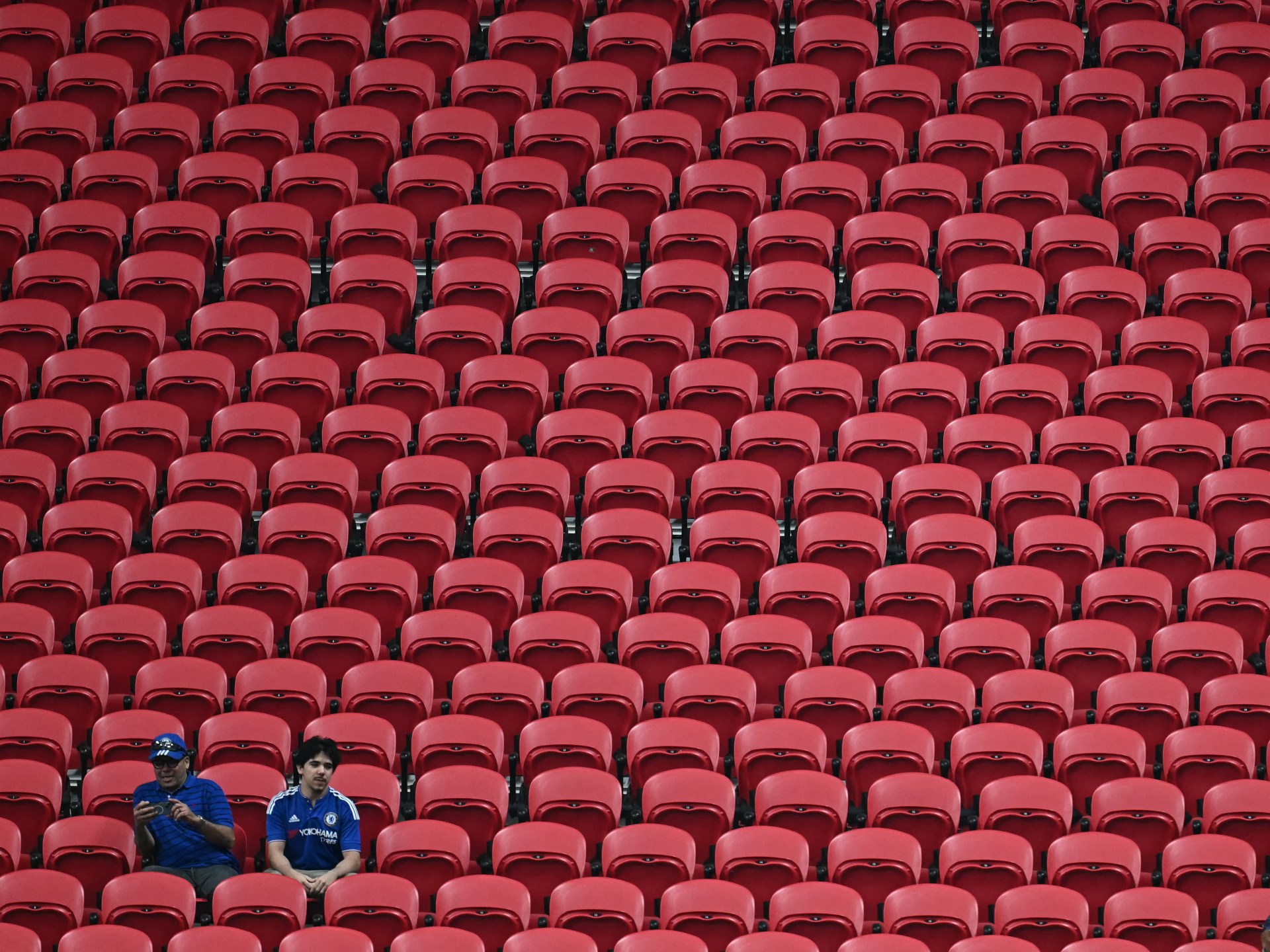
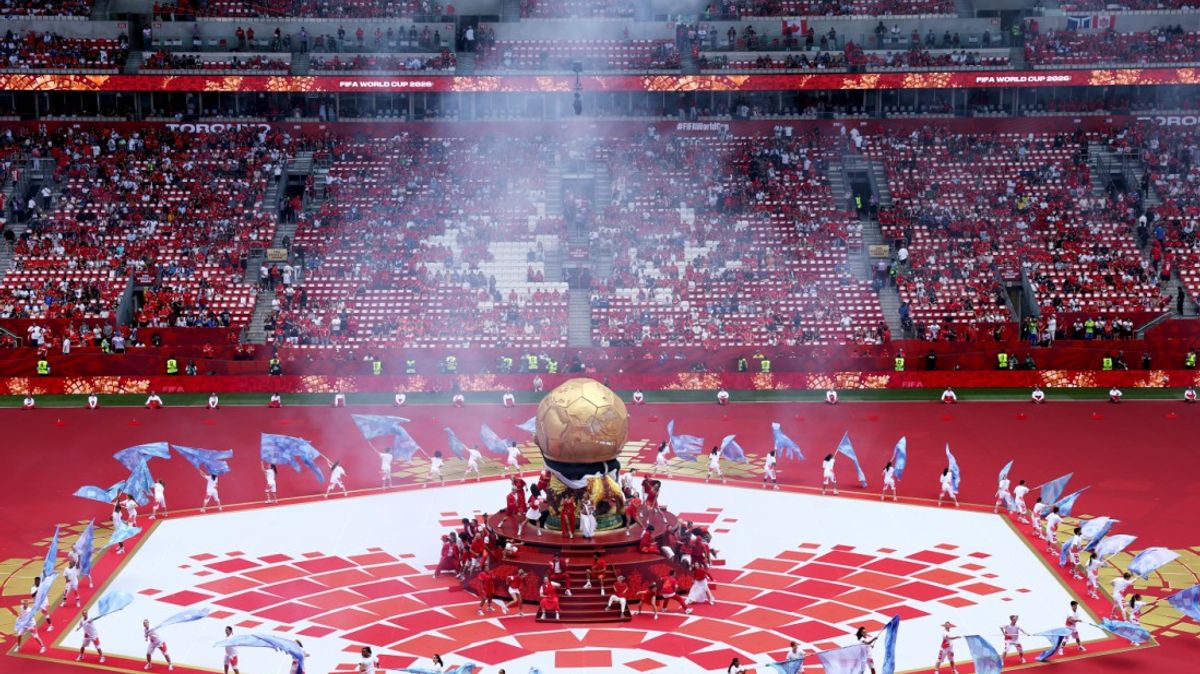
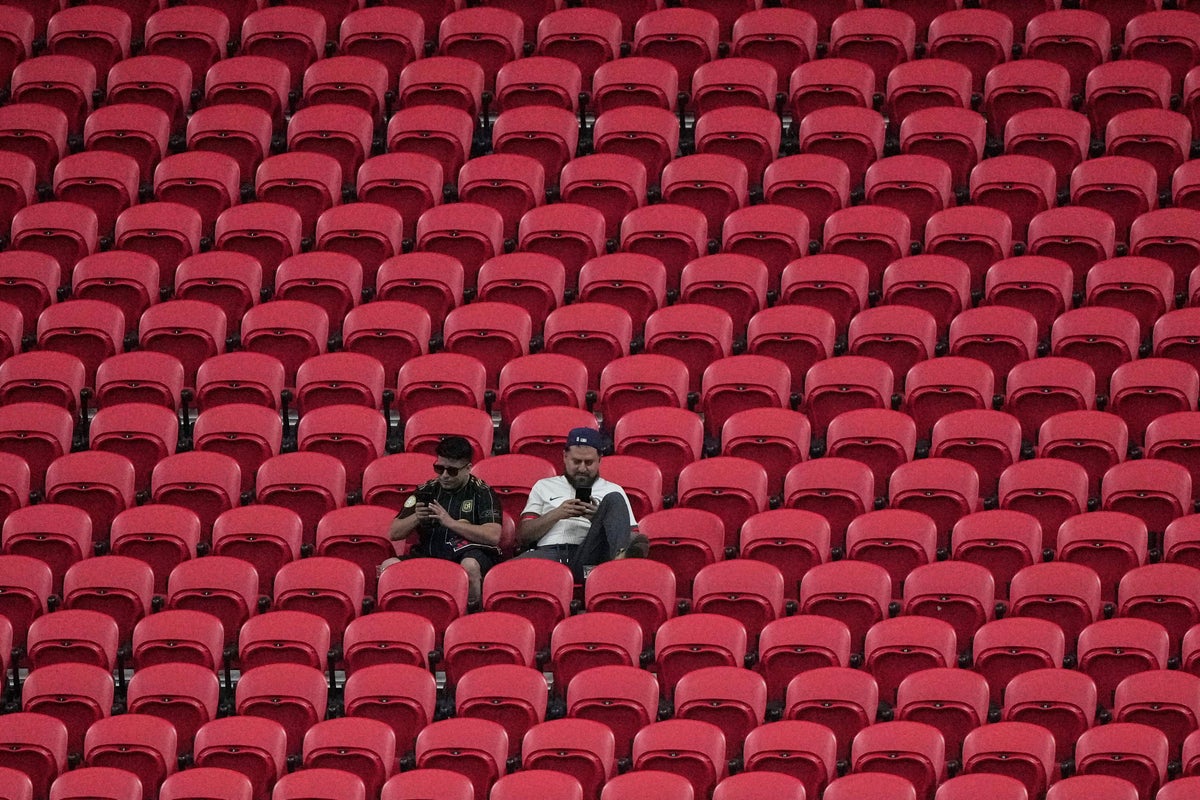
f there’s a lesson to be learned from the Club World Cup so far, it’s that images of nothingness can still generate hysteria. Empty seats – which are apparently a festering scourge upon the game of football, a tragedy representing the plastic bankruptcy of American soccer fandom and/or the Club World Cup, an issue demanding alarmist coverage delivered with brows fully furrowed – have been commonplace in the competition’s opening dozen games. Headlines (including from this very publication) have followed. Social media is awash in panoramic photos from a nation of press boxes, informing you incredulously that this image, so obscene in its emptiness, was taken a mere 45 minutes before kickoff – or (gasp) even closer.
Why do we, the fans, observers, journalists, and other people who simply watch these games, care? What is it about the sight of a whole lot of plastic folding chairs with nobody in them that inflames our passions? Since when did we all become Clint Eastwood at the 2012 Republican National Convention?
Empty seats mean unrealized revenues from tickets, concessions, merchandise, parking and exploitative fees, but that stuff isn’t affecting our bottom line. The marketing strategy that demanded premium prices for those seats was misguided at best and laughably hubristic at worst, but it was not ours. There were plenty of inflated promises about guaranteed sellouts, the “greatest spectacle in club football history”, involving the “32 best teams in the world” that are being made to look completely silly in hindsight – but we weren’t the ones who promised them. At most, the extent of our involvement with an empty seat at the Club World Cup is sitting next to one.