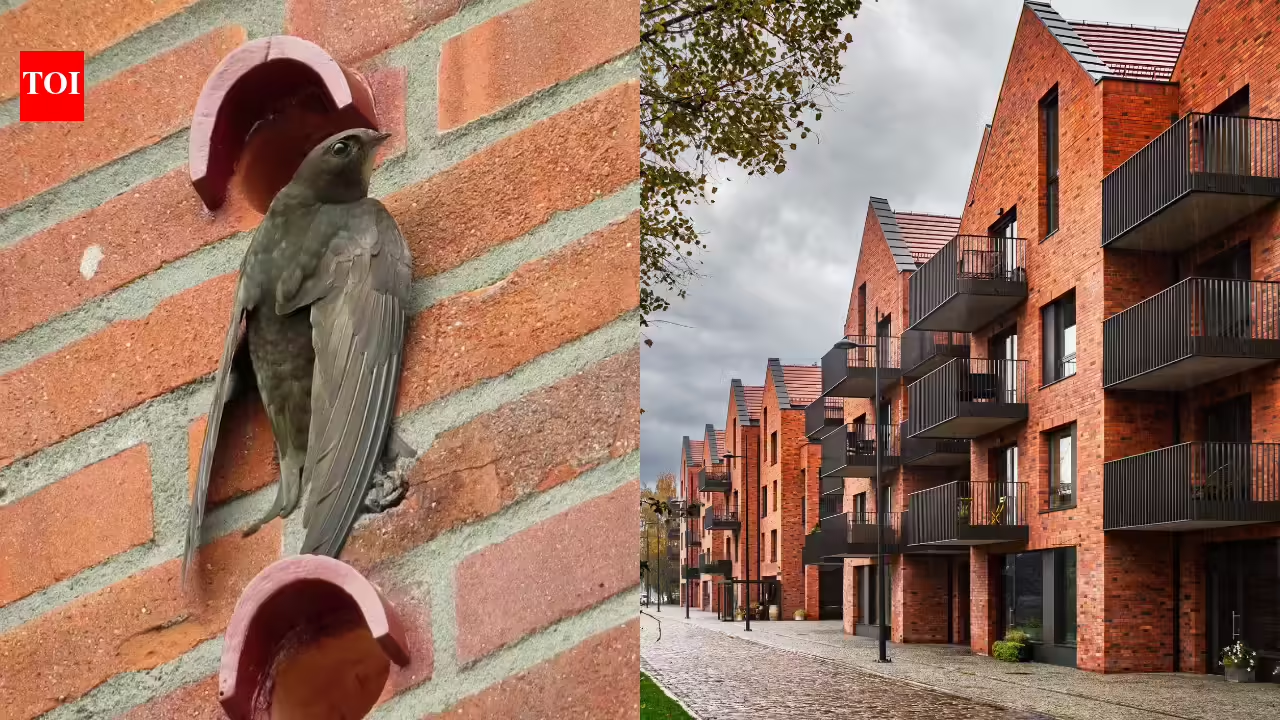
Campaigners are calling for compulsory ‘swift bricks’ in new homes to provide nesting sites
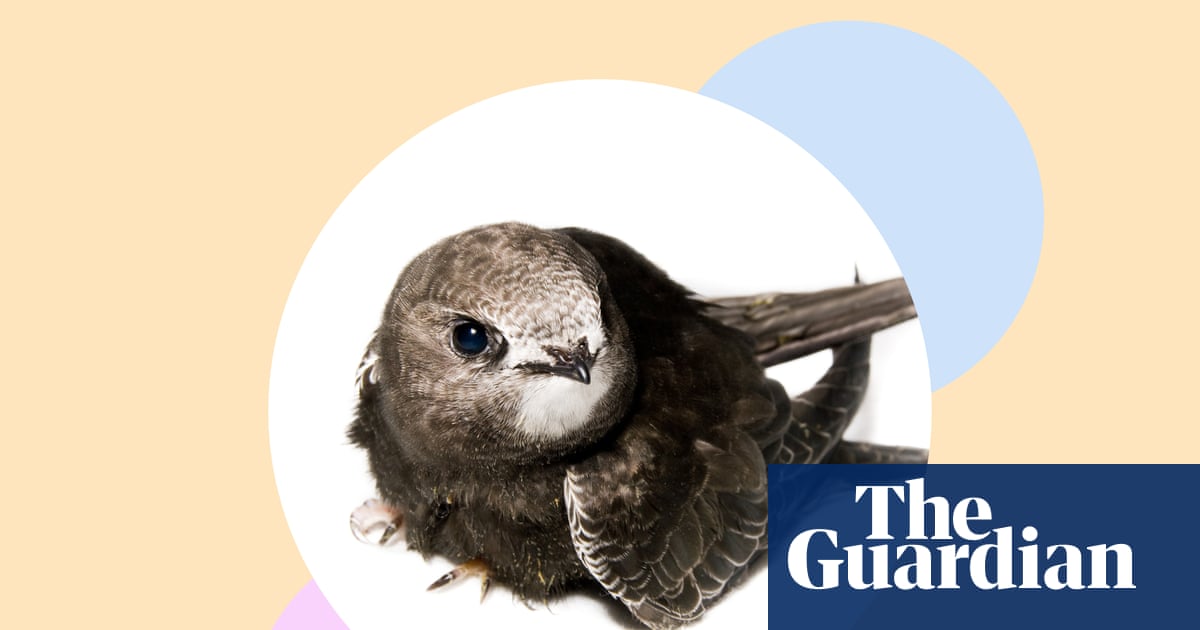
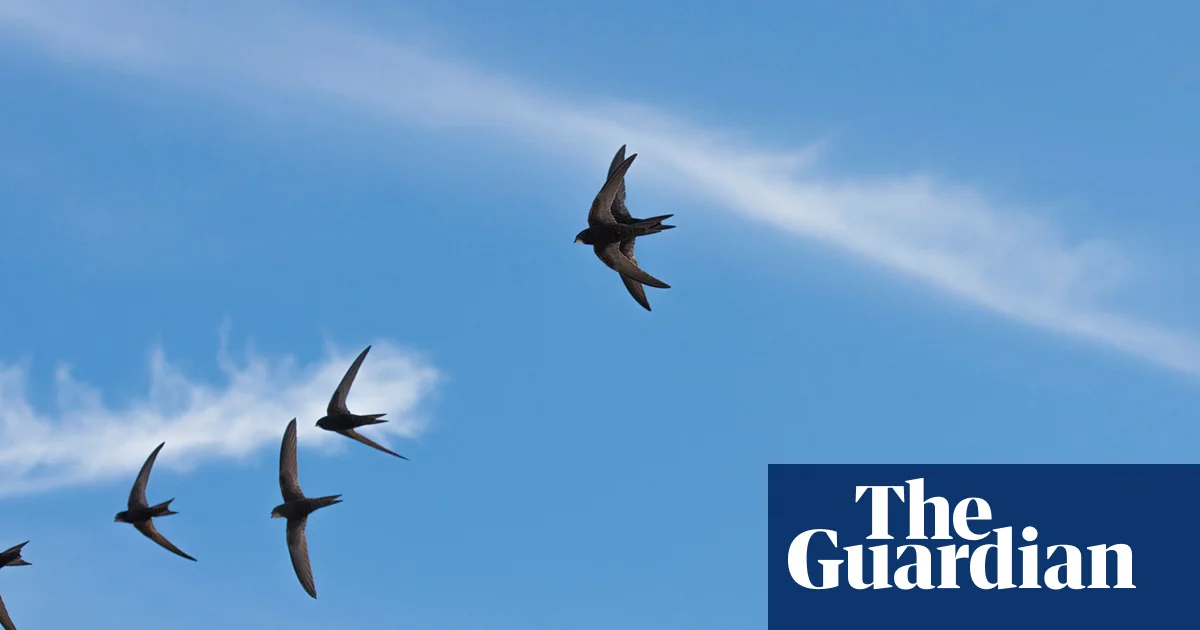
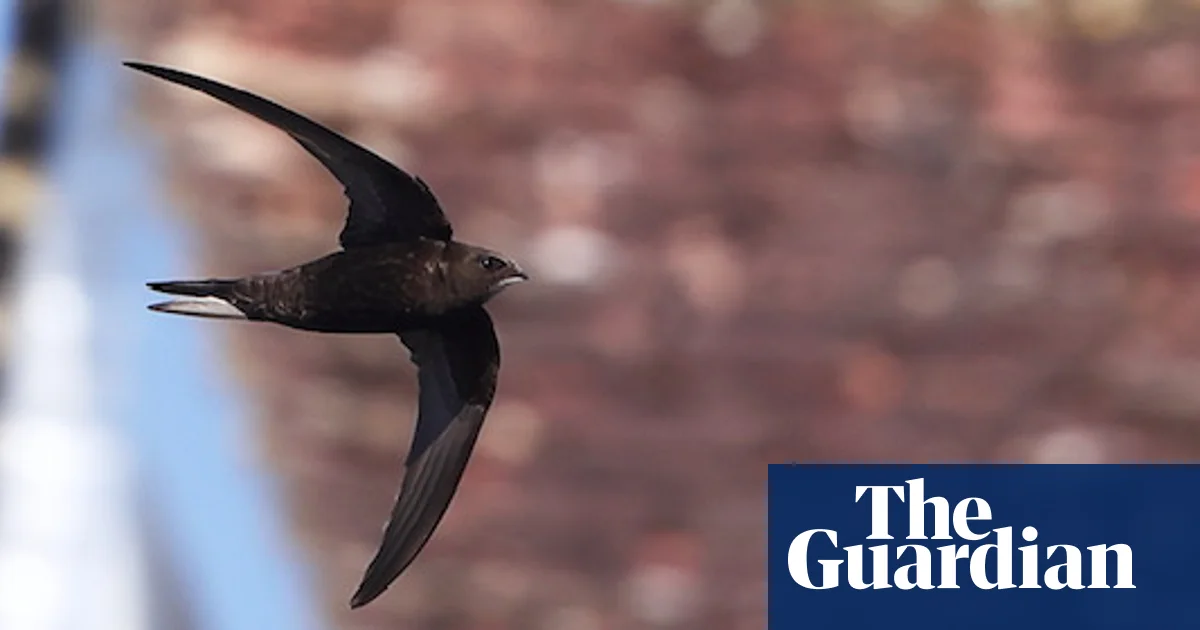
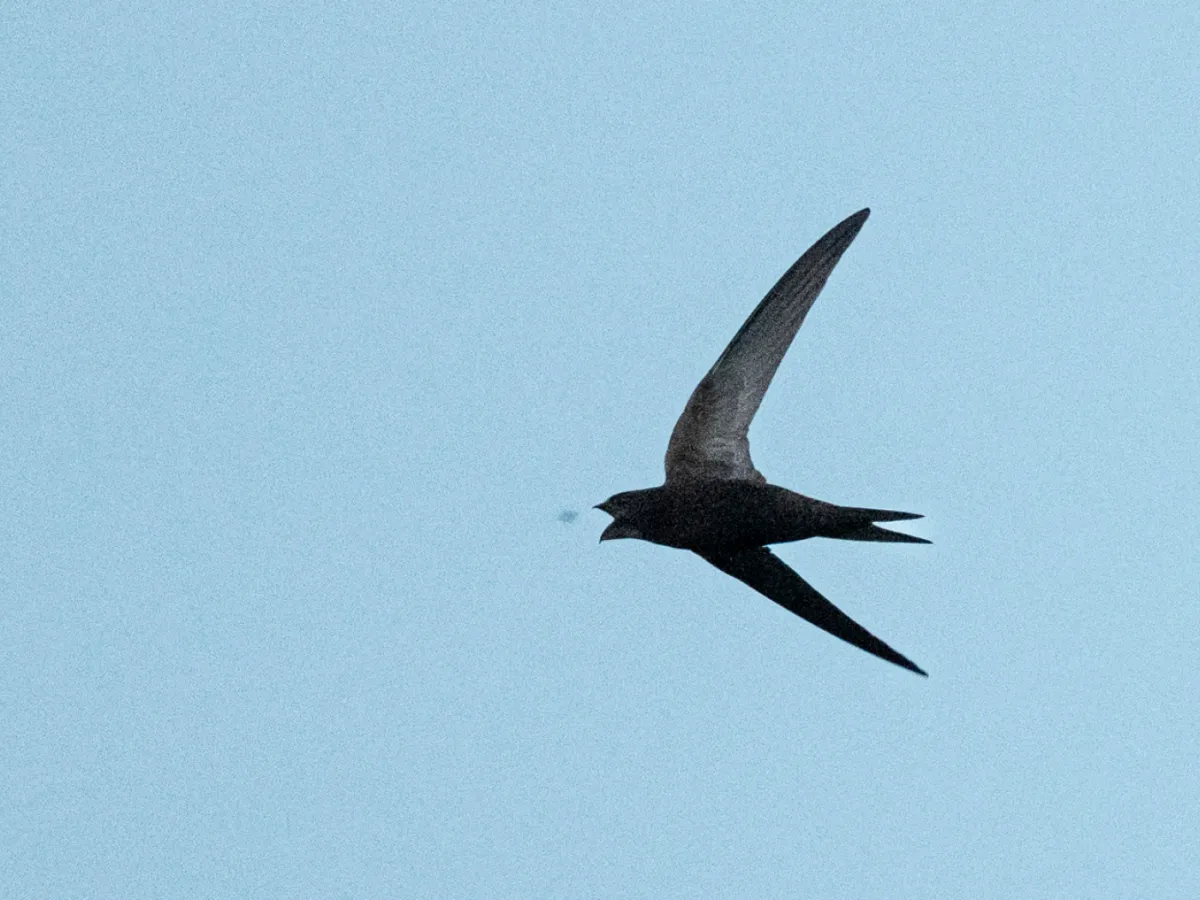
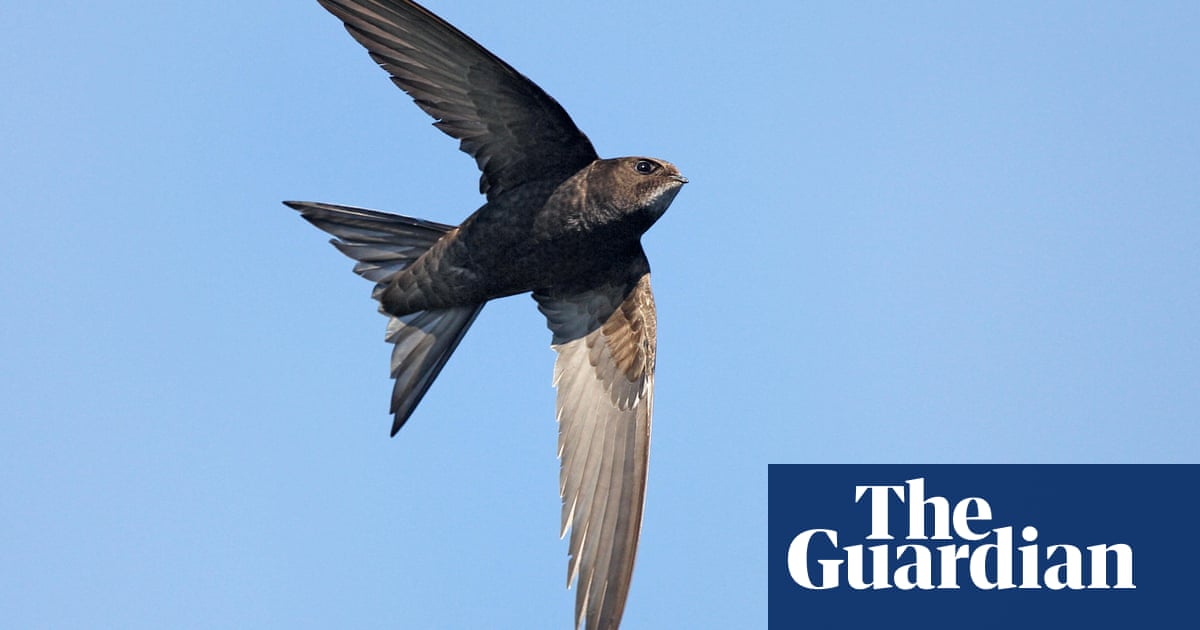
The swift (Apus apus) is an acrobatic aerial bird, a remarkable sprinter and endurance flyer that rarely touches the ground. When these sickle-winged birds do come down – after several years in perpetual flight, even sleeping midair – it is to nest in the eaves of roofs across Europe after spending winters in sub-Saharan Africa, migrating 7,000 miles (11,000km) every year. They are celebrated by nature lovers, artists and poets as they race through city skies on long summer evenings, filling the air with their screaming calls.
The fastest bird in level flight (top speed: 69mph/111kph), they feed on airborne insects. Swifts are in trouble because of steep declines in insects, but also because they are losing traditional nesting sites. Swifts once nested in caves and hollow trees but moved into buildings hundreds of years ago. Modern insulation, particularly in roofs, removes the crevices and cavities where they have nested for centuries.
Grim. Swift populations in Britain slumped by 66% between 1995 and 2022 and have continued a rapid downward trend. Since the last count of 59,000 breeding pairs, the population this summer is set to be just 40,000 pairs. In five years’ time there could be fewer than 25,000, unless action is taken.