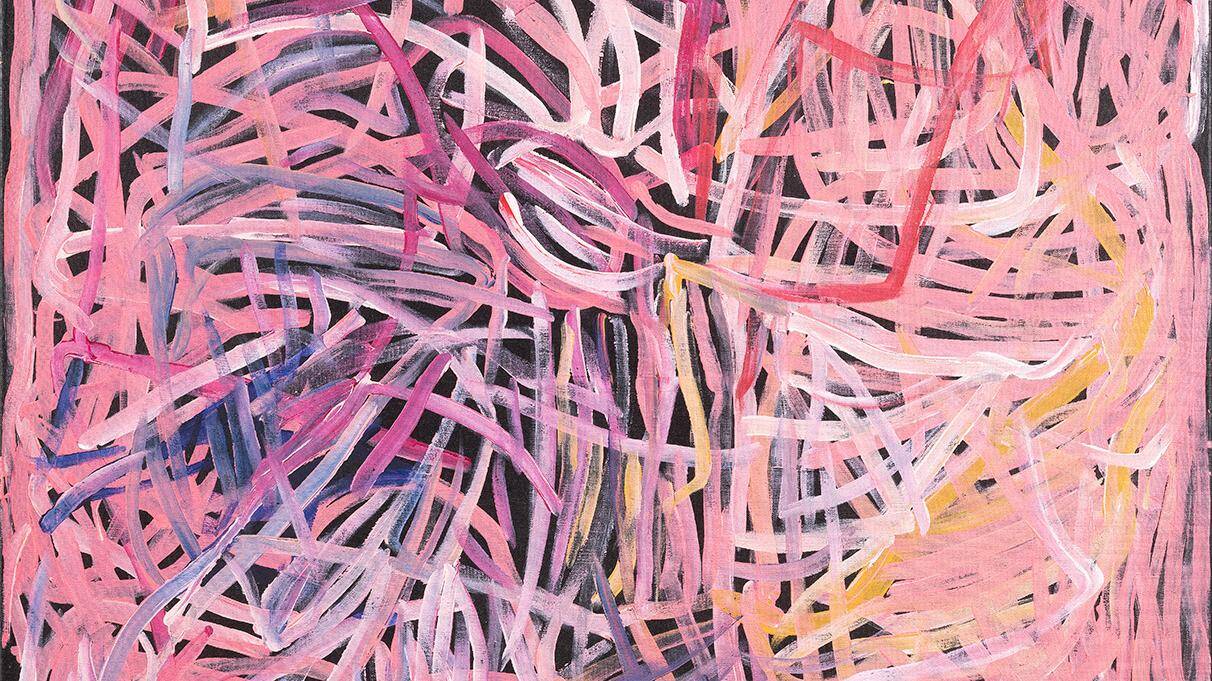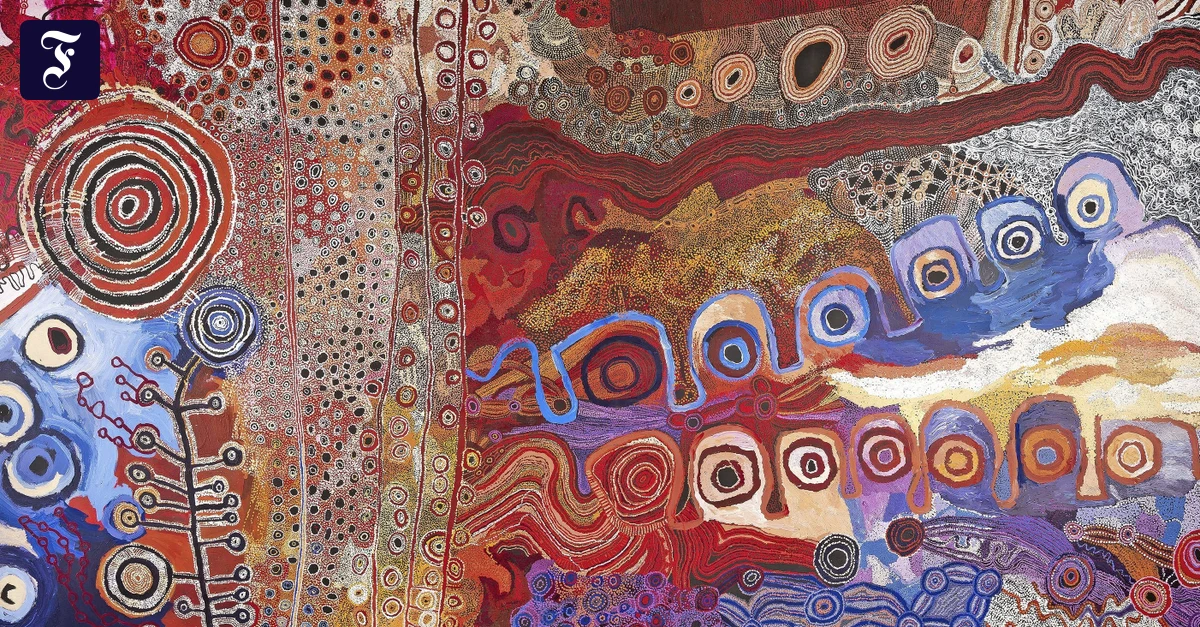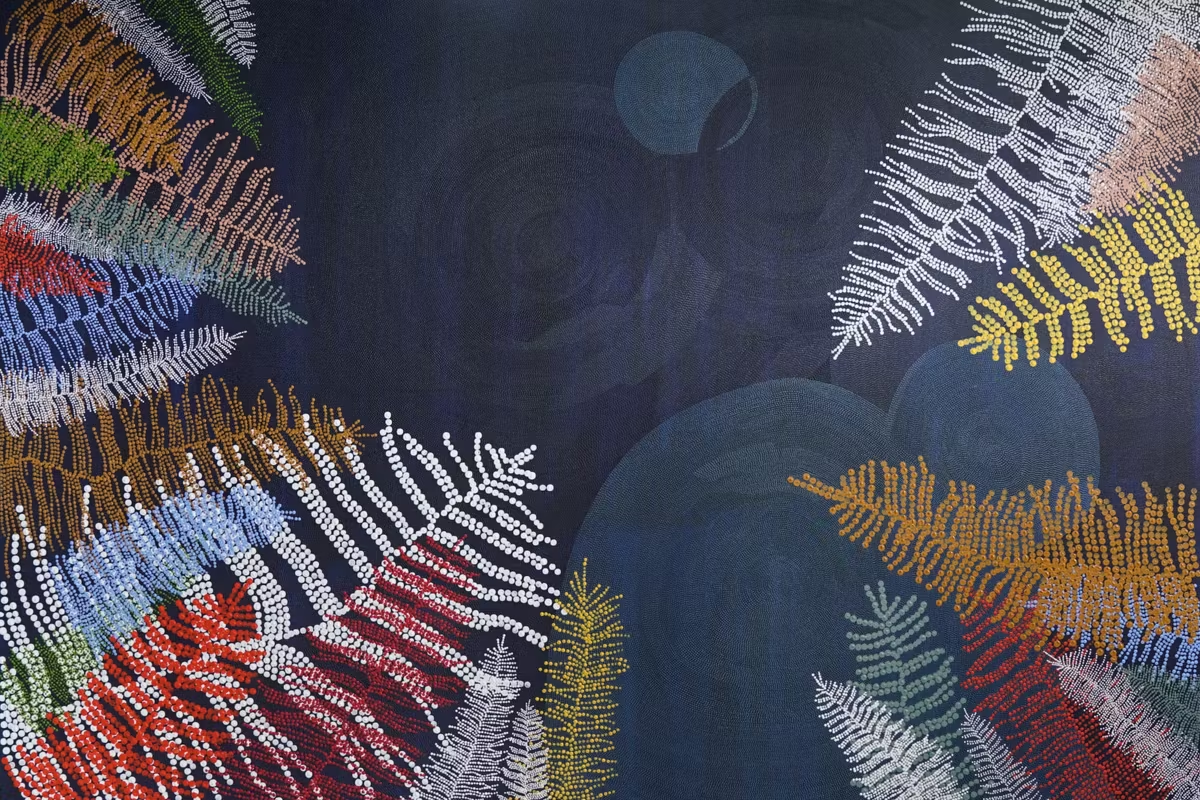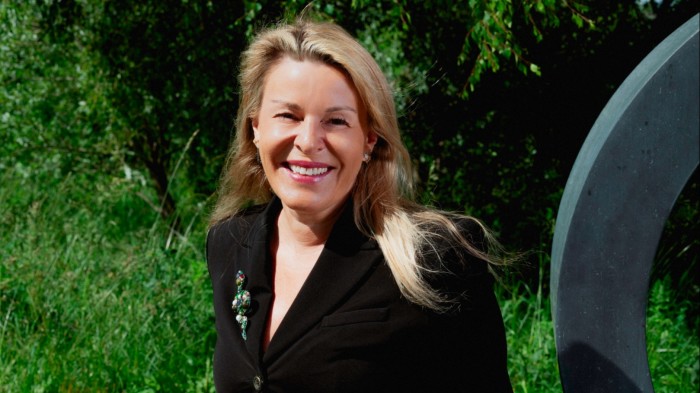
This summer, Tate Modern will hold a major exhibition celebrating Australian artist Emily Kam Kngwarray (1910-1996) — the first large-scale presentation of her work to be held in Europe. Eight of the pieces on show come from the French-born, Swiss-based collector, Bérengère Primat, who has established Fondation Opale, a private museum in Lens, Switzerland, dedicated, she says, to the “recognition of contemporary Aboriginal art as an important movement in its own right in the contemporary art world”.
Primat was born in Neuilly-sur-Seine in 1973, the eldest of eight children in one of France’s wealthiest families (her father was billionaire Didier Primat, director and shareholder of oilfield services company Schlumberger). After studying hospitality management in Lausanne, Primat looked after a family-owned hotel in South Carolina for a few years before returning to Switzerland. In 2018 she established the foundation in the Swiss Alps to show her collection of contemporary Aboriginal art.
She speaks to me from her home, a mountain chalet close to the foundation. Behind her is a large abstract work of spiralling reds and yellows by Beryl Jimmy, “Nyangatja Watarru” (2017).
I discovered Aboriginal art before even going to Australia. I saw a show in a small gallery in Paris’s Marais district, Wati: Les hommes de loi, in 2002. Even now, I can’t really explain what happened, but it was an overwhelming experience. It inhabited me and has become stronger as the years pass. I bought two works as well as the catalogue and subsequently met the curator, Arnaud Serval, who took me to Australia for the first time. He spends half of each year in Aboriginal communities, and half in France. This opened a door to a world which I didn’t know and, ever since, I have returned to Australia every year.