To revisit this article, visit My Profile, then View saved stories.
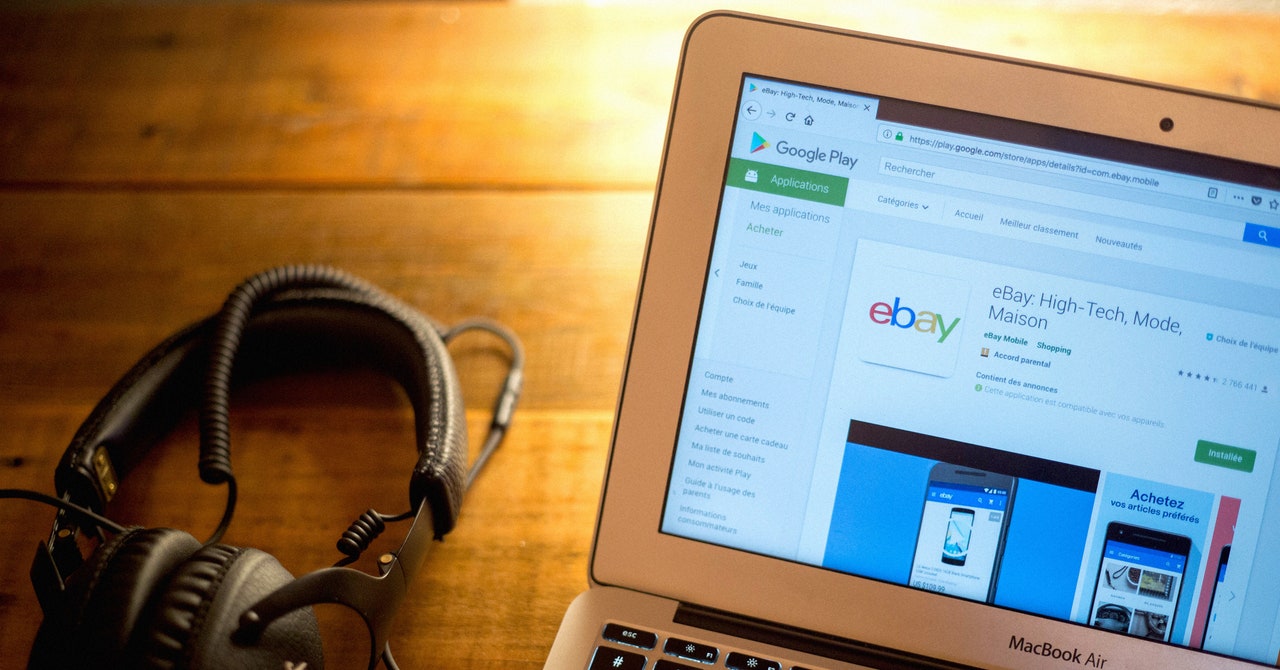
LAST MONTH, SUZANNE Smith-Darley felt fantastic. She had just bought a used Chanel handbag from a Japanese seller on eBay for $800—a steal compared to the original asking price of $1,400. About a week later an email arrived that crushed her: DHL was demanding a $142 fee for US tariffs before it would deliver the well-worn medallion tote to Smith-Darley’s Atlanta doorstep. “It goes to Japan, has a whole life, and it could be in the trash literally,” she says. “I’m willing to pick it out of the trash, and I get this huge tariff. It’s ridiculous.”
Tariffs imposed this year by President Donald Trump have triggered higher prices and decreased selection, and some shoppers have been surprised to learn that the taxes apply to used goods.
Several online marketplaces, including eBay and Vestiaire Collective, have been urging lawmakers and officials in Washington, DC, to exempt used items from import duties, including those recently imposed by President Trump, according to industry executives. “We're still a maturing industry, but we are the future,” says Rachel Kibbe, CEO of American Circular Textiles, an advocacy group that represents about 30 organizations, including Vestiaire Collective, that make, fix, rent, sell, recycle, or resell clothes. “We would just like preferential trade treatment for secondhand imports.”