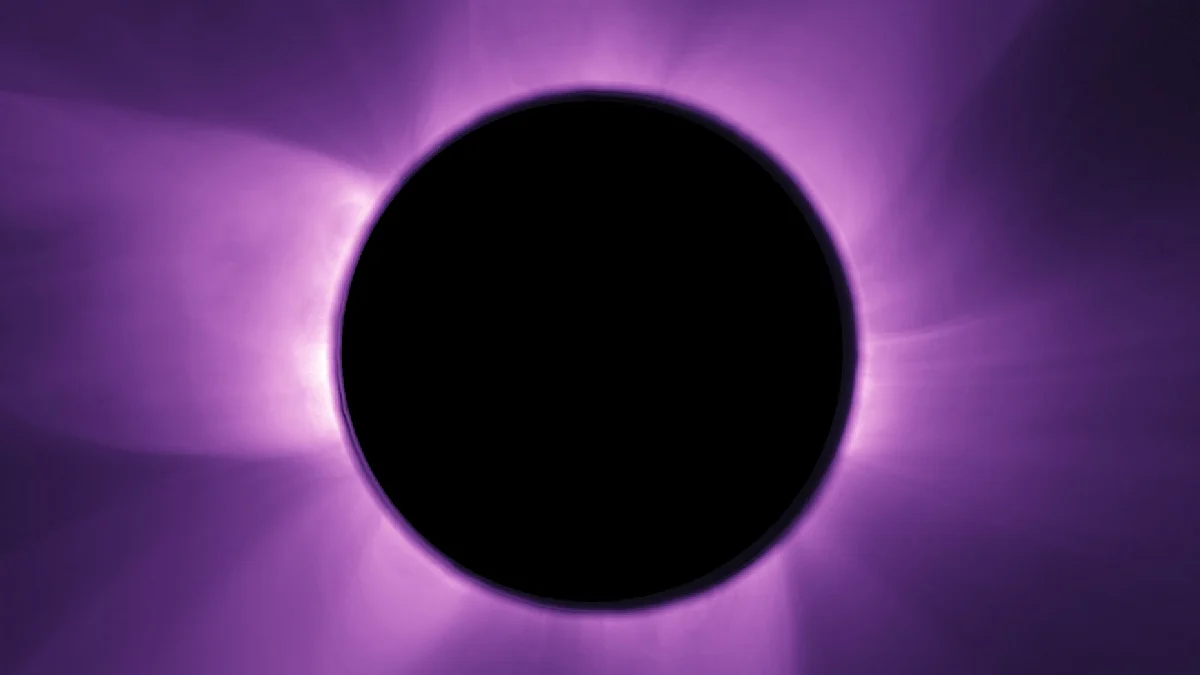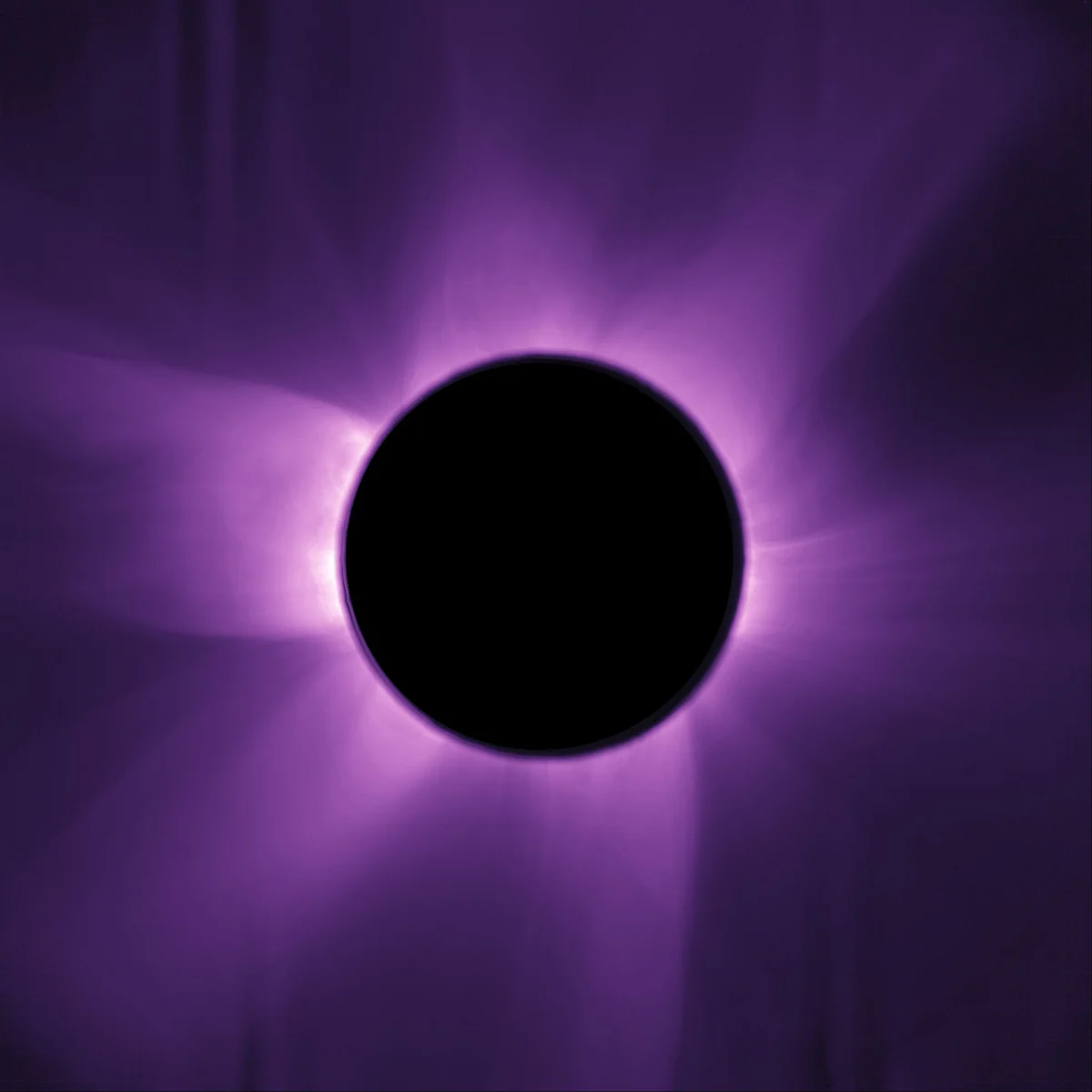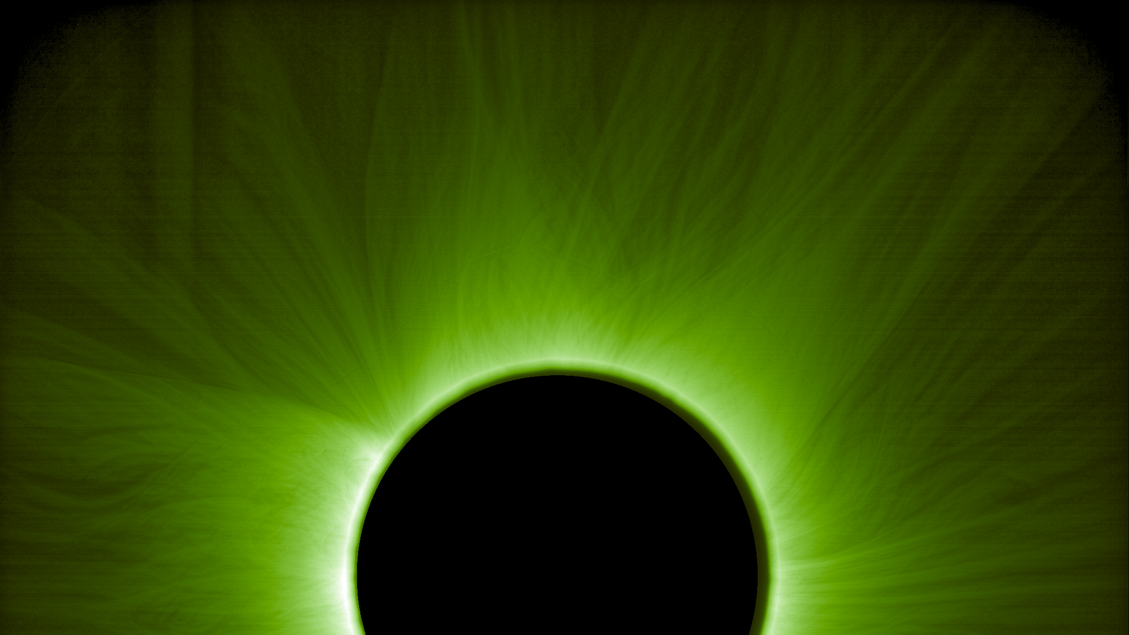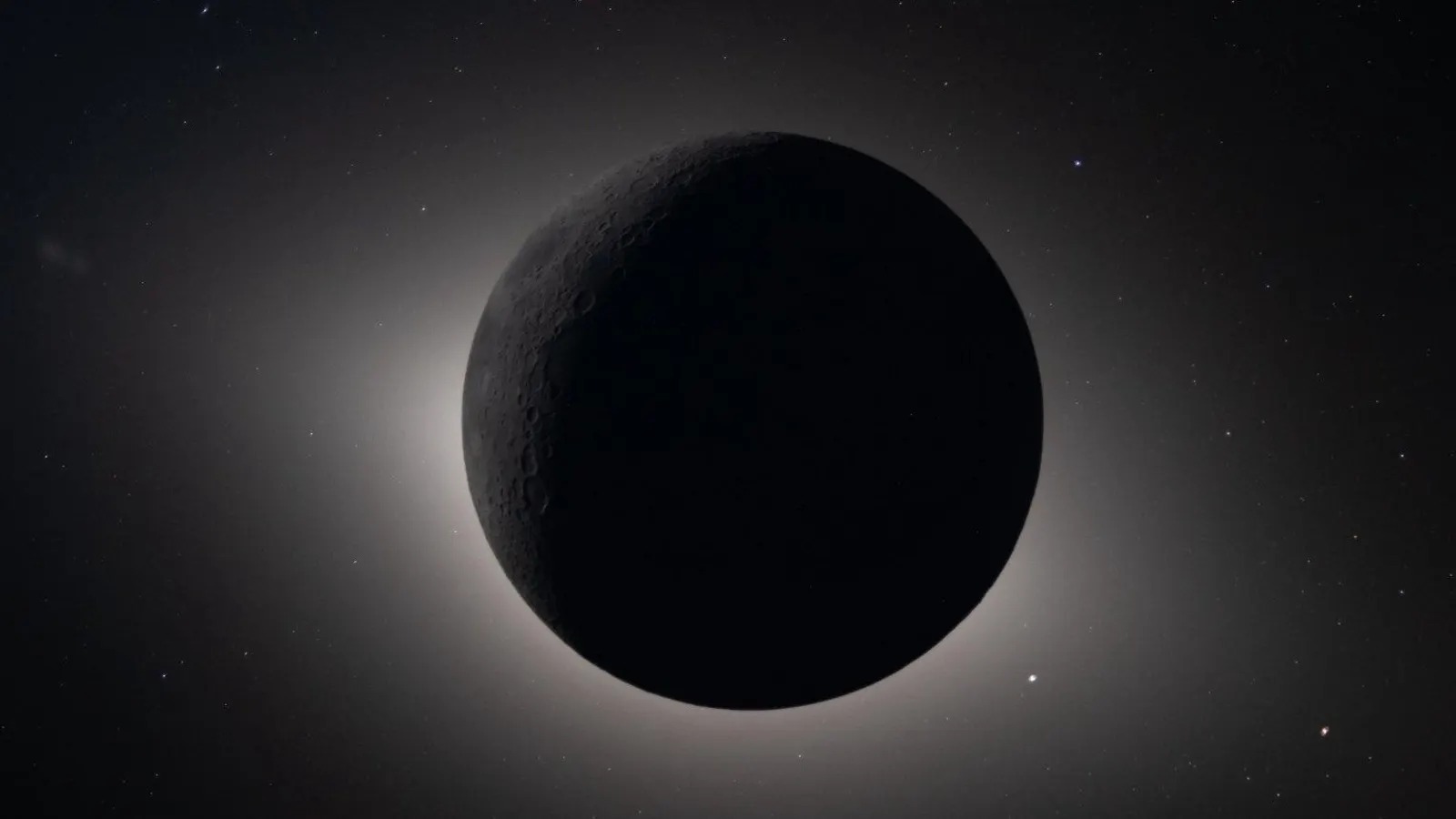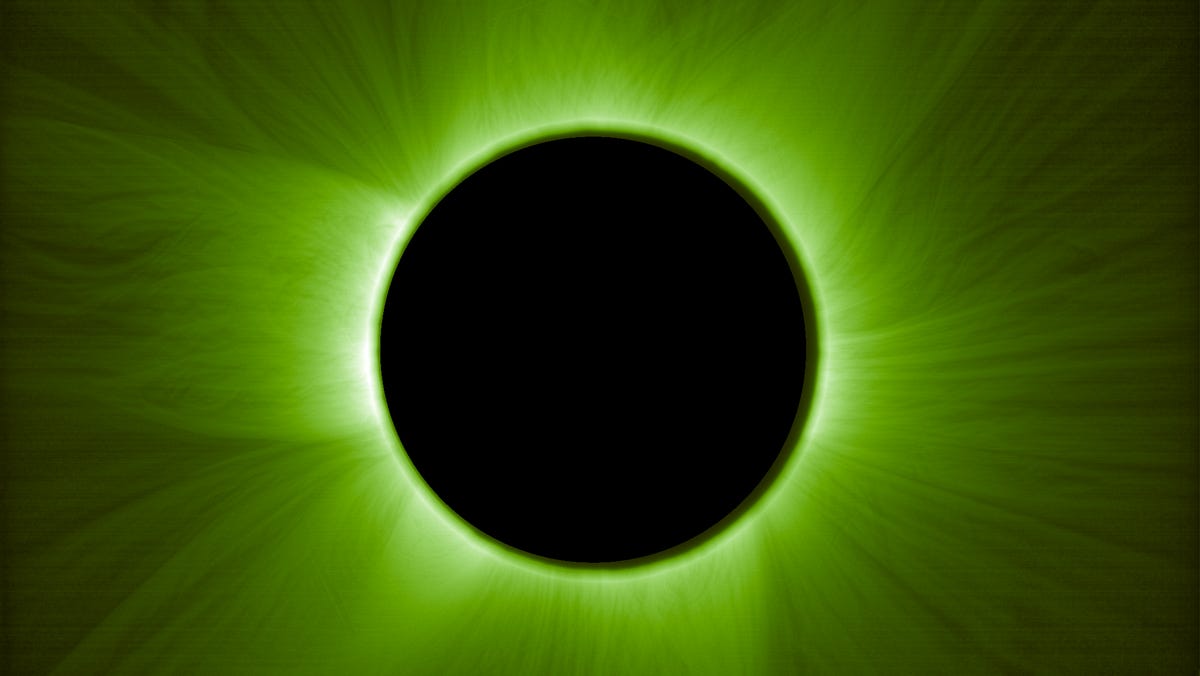
Two European satellites created an "artificial total solar eclipse" in space, the European Space Agency announced June 16, delivering data that will improve scientists' understanding of the sun and its atmosphere.
The agency said the satellites, named Coronagraph and Occulter, flew 429 feet apart in perfect formation for "several hours" without being controlled from the ground to create the artificial eclipse. The Proba-3 mission, according to the agency, helps scientists examine the sun's corona to study solar winds, the continuous flow of matter from the sun into outer space, and the workings of coronal mass ejections.
"It is exciting to see these stunning images validate our technologies in what is now the world’s first precision formation flying mission," Dietmar Pilz, European Space Agency's director of technology, engineering, and quality, said in a news release.
The mission has created 10 artificial eclipses so far, with the longest being five hours, lead scientist Andrei Zhukov told The Associated Press.
"We almost couldn’t believe our eyes," Zhukov, who works for the Royal Observatory of Belgium, told the news organization service. "This was the first try, and it worked. It was so incredible."