https://arab.news/pycdn
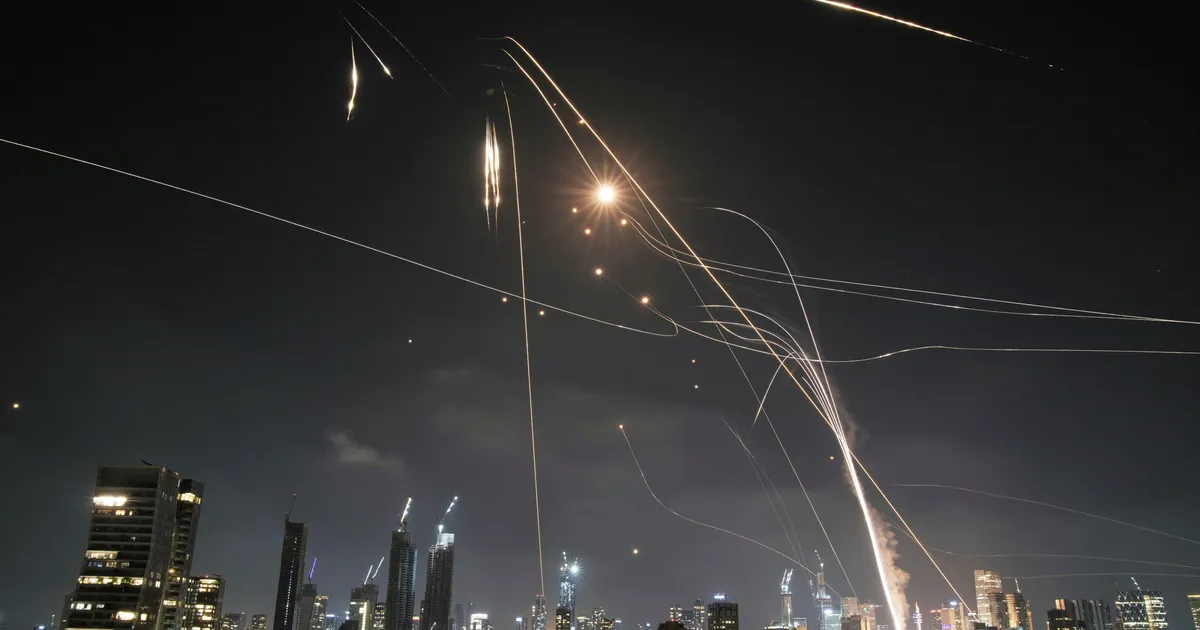
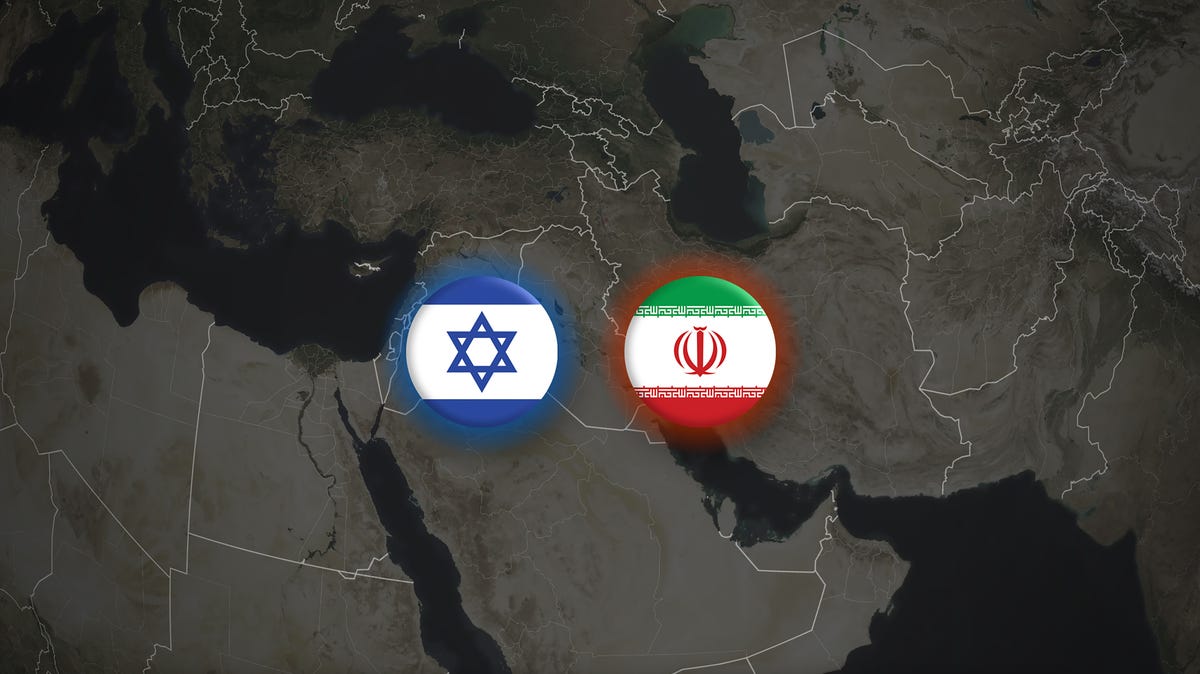
This war had been brewing for two decades — long anticipated but repeatedly avoided. Both the Iranian and Israeli sides had succeeded in avoiding direct confrontation, limiting themselves to proxy wars, until the Oct. 7, 2023, attack happened. At that point, the Israelis decided to eliminate the sources of threat and shift their strategy from “mowing the lawn” — targeting the proxy threats as they grew — to destroying the entire octopus. They started with Hamas, then dismantled Hezbollah’s capabilities, exposed the Assad regime in Syria, and now the war has reached Iran.
There, Iran is developing its nuclear and missile capabilities, which have rendered Israel’s deterrence doctrine obsolete — making war necessary to restore the balance of power in Israel’s favor and reinforce deterrence.
When it comes to the Israeli concept of deterrence, the country’s first Prime Minister David Ben-Gurion said: “A long war is not an option for us; deterrence is our true weapon.” Moshe Dayan explained it further: “We must scare them from even thinking of waging war, not just win it.”
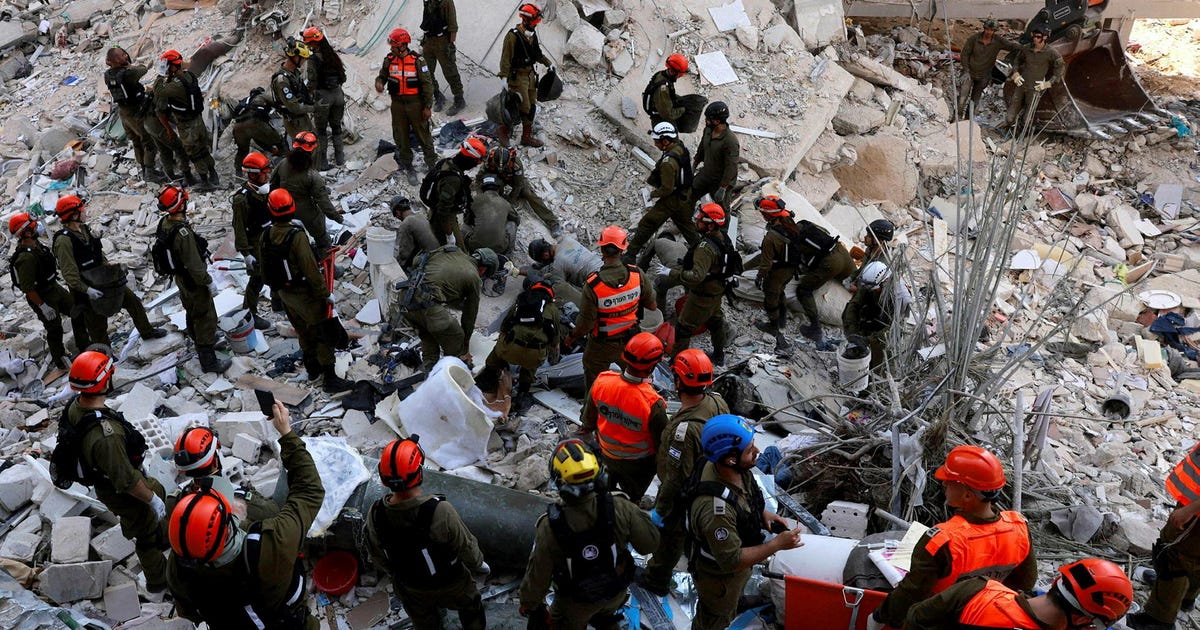
Deterrence remains a cornerstone of Israel’s military policy and that is why it seeks — at least in theory — to strip Iran of its threatening capabilities. But fighting between two heavily armed and destruction-ready forces is an extremely dangerous affair. We have seen in recent history how wars have spun out of control.