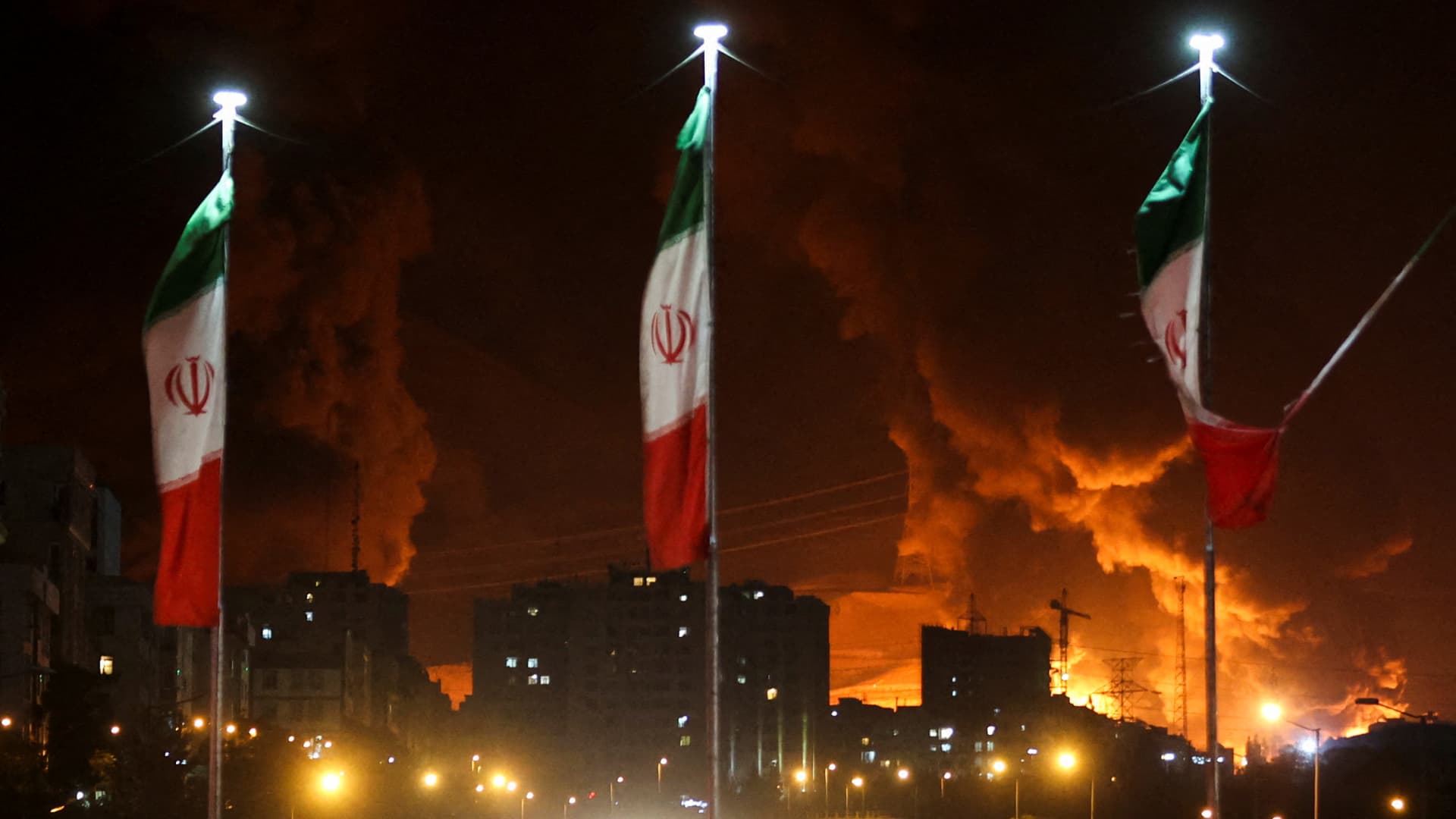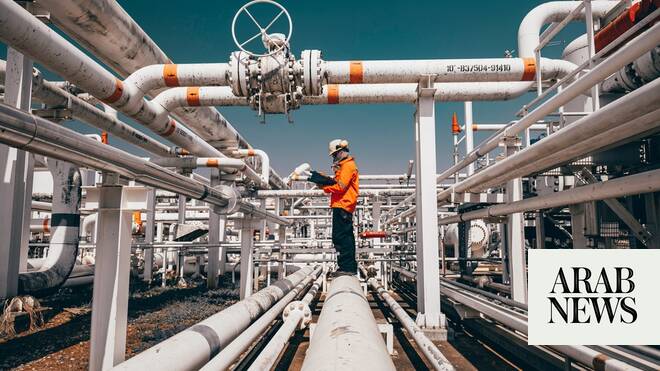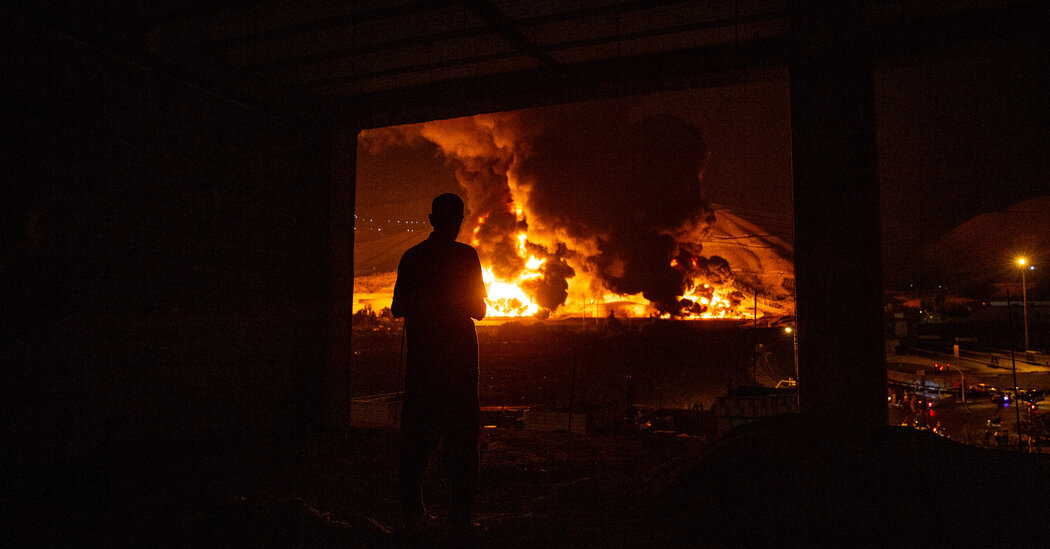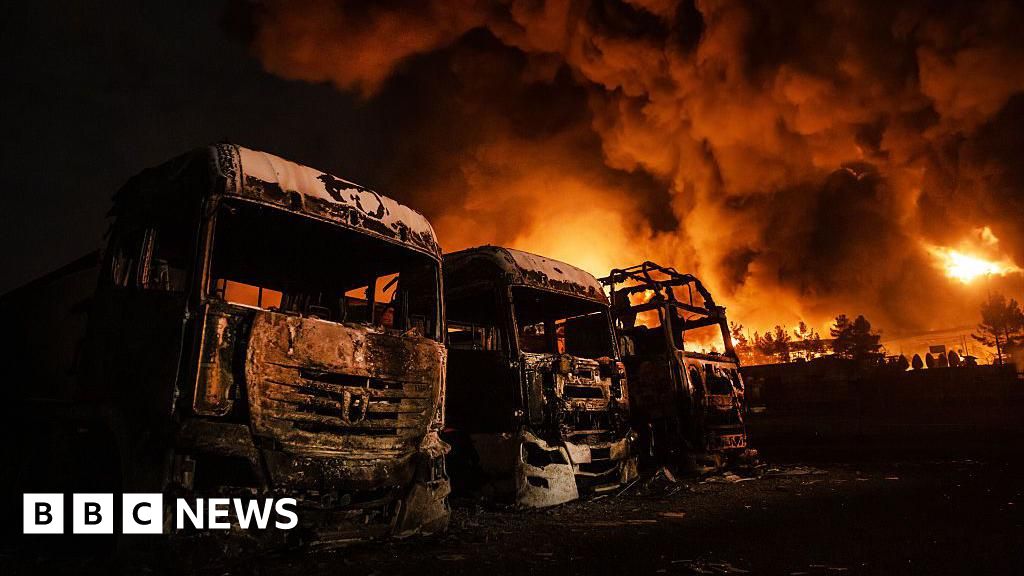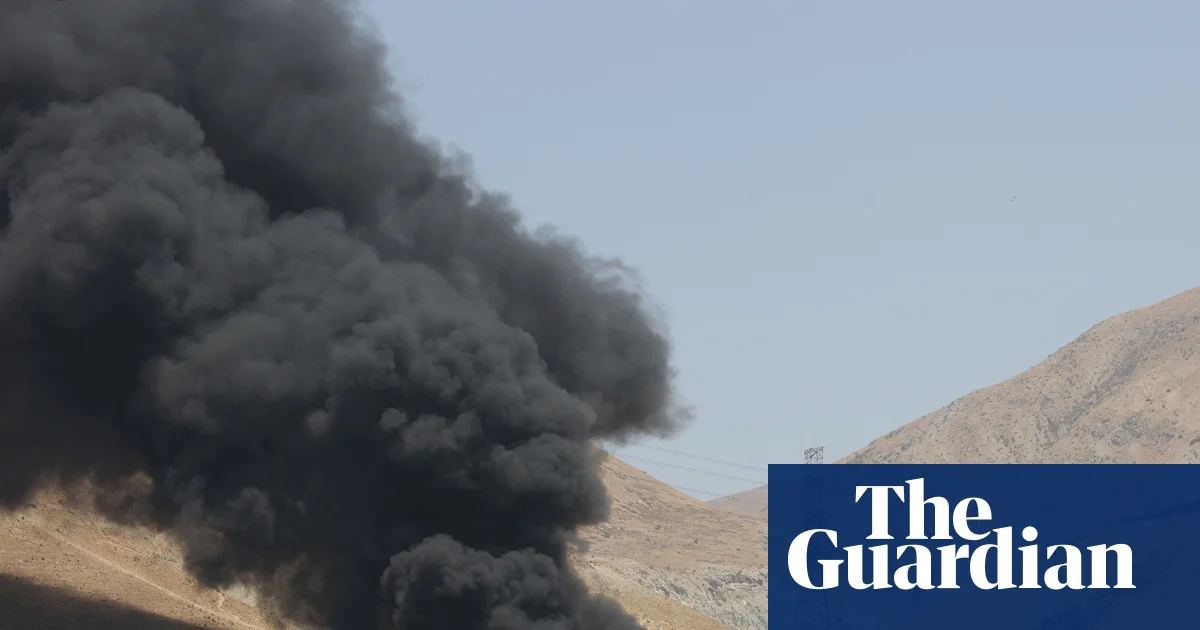
The escalating crisis between Israel and Iran has already triggered the largest single-day oil price surge in the last three years, and the question for many is how much higher the oil markets might climb.The price of Brent crude has jumped by about $10 a barrel since the start of June to a high of $78 a barrel on Friday, amid growing concerns that the conflict could wipe out Iran’s oil exports or cut flows of crude from the wider Middle East region to the global market.For now, oil prices have cooled to about $72 a barrel and remain well below the peak of $115 a barrel following the invasion of Ukraine by Russia, which is one of the world’s biggest oil and gas exporters.But banks and market forecasters have warned that the trajectory of oil prices will depend on how far the unfolding military and humanitarian crisis between Israel and Iran escalates.Are global oil prices poised to surge?At the upper end, oil prices could spiral to $120 a barrel, according to analysts at Deutsche Bank, surpassing the highs reached in the wake of the Ukraine crisis.The German investment bank warned that if an escalation were to engulf the wider region, shutting the Strait of Hormuz, then Middle Eastern oil could be blocked from the global market, leading to a price surge. But this scenario is not the most likely. The bank believes that the oil market may have already accounted for a loss of some Iranian oil production, meaning that prices would most likely remain steady at the current price of about $75 a barrel.The theory was echoed by analysts at Rystad Energy, a globally recognised consultancy, which said that the conflict appeared likely to be contained by the involvement of the US, which hopes to keep oil prices low. The market would probably remain capped at below $80 a barrel if the White House can broker a period of relative calm in the region, it said.What is the Strait of Hormuz, and why does it matter?The market’s muted reaction belies its intense focus on the Strait of Hormuz.The 21-mile wide waterway located south of Iran is a narrow chokepoint for the world’s fossil fuel supplies, through which 20% of global oil supplies and 20% of liquefied natural gas (LNG) flow.Iran produced about 3.4m barrels of oil a day in May, and exported about 1.7m barrels a day, or 1.6% of global oil demand. China is the biggest importer of oil produced in Iran.Fears that the strait could be shut due to regional tensions are well-rehearsed within the global energy industry. Iran has threatened to close the strait in retaliation in the past so, although this remains an unlikely scenario, it is a key focus for oil market traders.So far, transportation of oil appears to be unaffected by the conflict. The number of ships passing through the strait of Hormuz increased 5% in the week up to Sunday, with 954 vessels passing through the waterway, according to data released by the Joint Maritime Information Centre (JMIC) on Monday. The JMIC, which coordinates information from international navies, said the strait remained open but the threat to traffic was still significant. It also reported ongoing jamming of communications signal in the “broader Arabian Gulf and Strait of Hormuz” .Lloyd’s List Intelligence, which monitors maritime traffic, said that loadings of vessels in the Gulf continued over the weekend but tankers waiting to load in Iran were keeping a greater distance from the port.
Iran and Israel crisis: what does it mean for the price of oil?
Banks and forecasters say price trajectory will depend on how far the military and humanitarian crisis escalates
901 words~4 min read