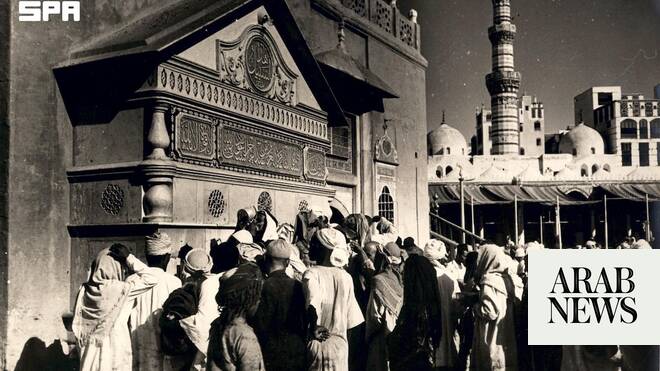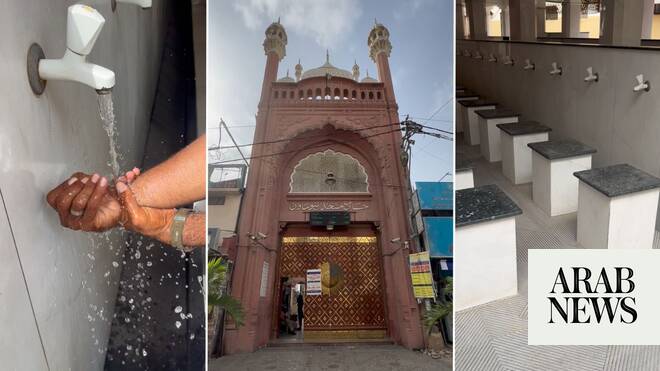
KARACHI: On a sweltering afternoon in Karachi’s Gulberg neighborhood earlier this month, rows of men lined up under shaded arcades at a seminary to perform wudu, the ritual ablution Muslims perform before prayers.
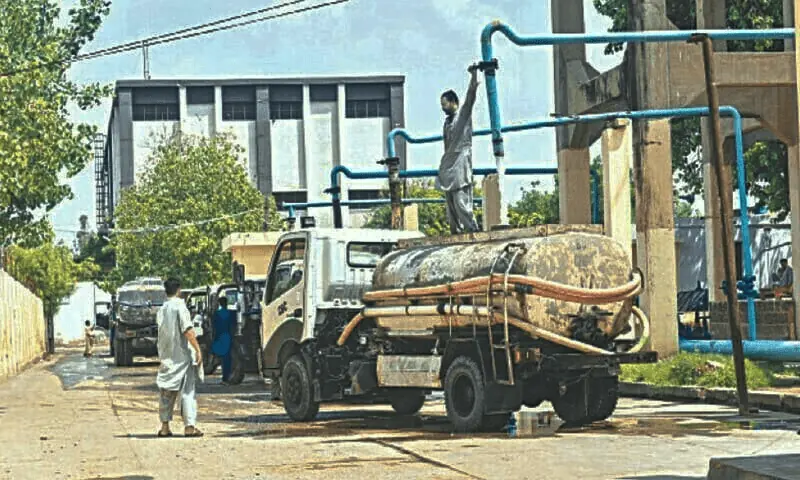
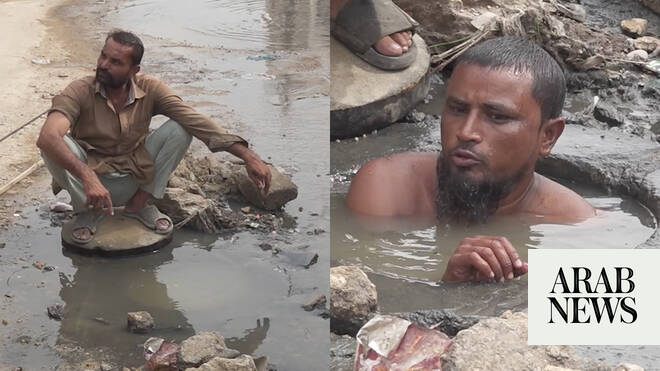
In a city battered by chronic water scarcity, each drop of this cleansing water is precious but until last year, gallons of it flowed straight into Karachi’s aging sewer lines, lost forever.
Now, at over 20 mosques scattered across this sprawling megacity of more than 20 million people, this water has found a second purpose. It is being stored underground to help replenish the city’s shrinking aquifers, drop by precious drop.
The unconventional fix is the brainchild of Dr. Syed Imran Ahmed, who heads the Panjwani Hisaar Water Institute at Karachi’s NED University. He convinced the administrators of Jamia Uloom Islamia Banuri, one of Pakistan’s biggest seminaries, to store ablution water in underground wells instead of letting it drain away.
And what started as a pilot at the Banuri mosque has since spread to more than 20 mosques citywide.