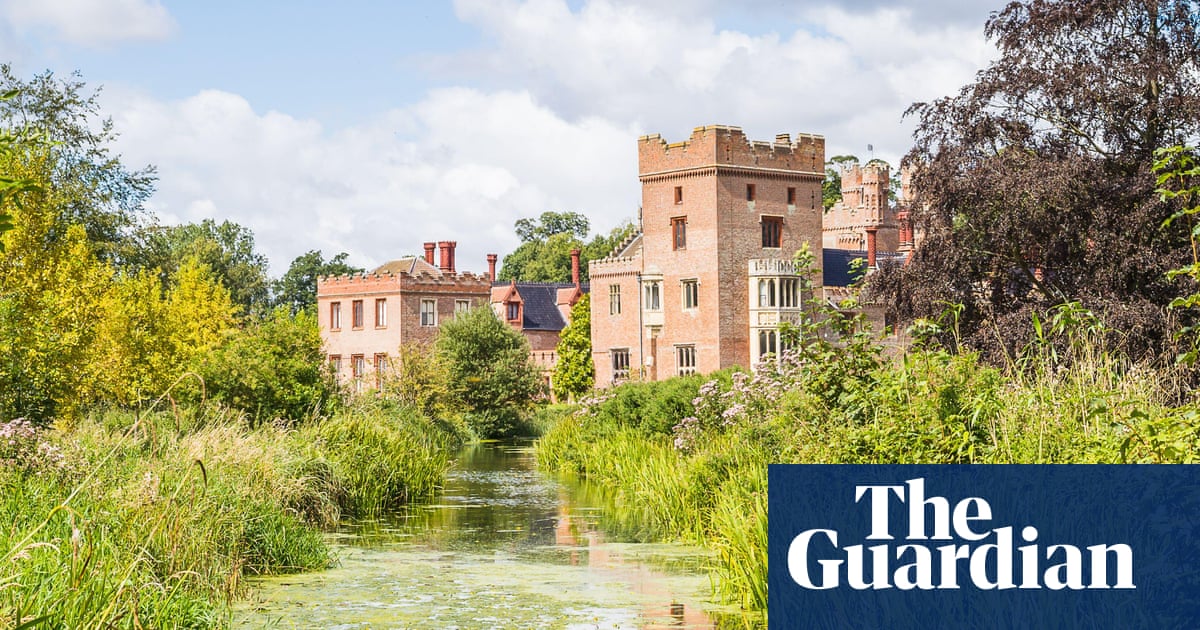
Breckland is a little-known part of England that sings with peace and rare wildlife. It would undoubtedly be a national park if so much of it hadn’t been commandeered by the military. But there is a place to stay on its borders
The small white signs with red lettering are dotted through the landscape: “Military training area – keep out”. It adds to the eerie feel of unusually quiet roads and twisted Scots pines, which gather the long summer dusk around them.
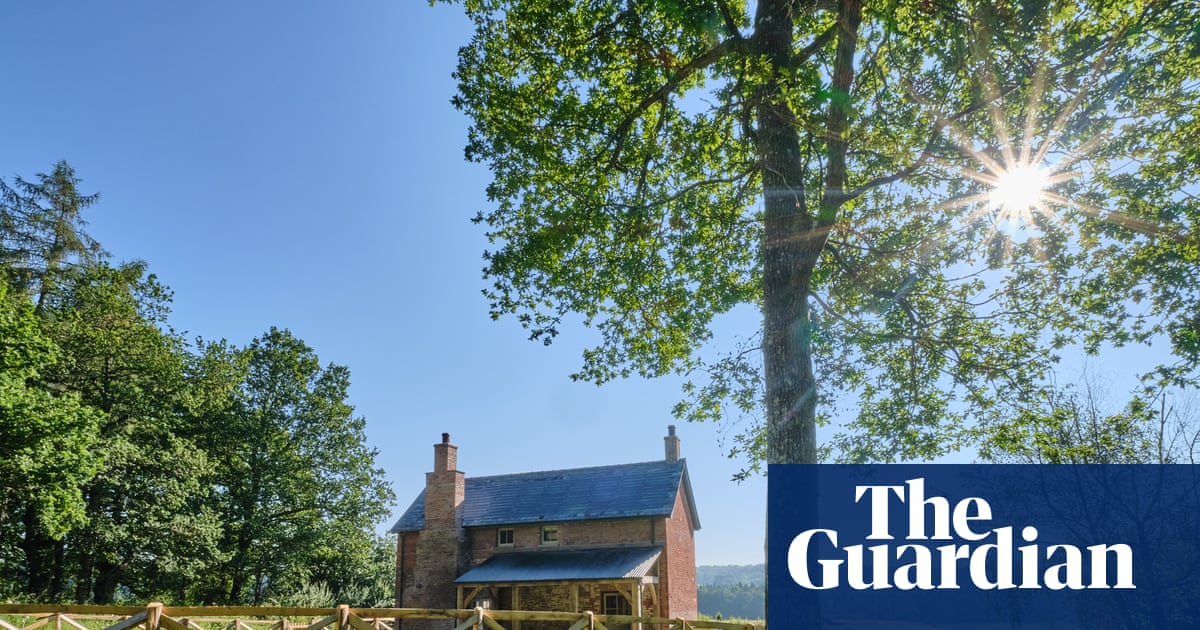
But when we arrive at our accommodation on an old farm bordering a forbidden area where the British army conduct secretive manoeuvres, the whole place sings with peace. A red kite cavorts in the breeze over handsome parkland, a cuckoo calls and, down by the Wissey, a gin-clear chalk stream, reed warblers chunter from deep within the rushes.
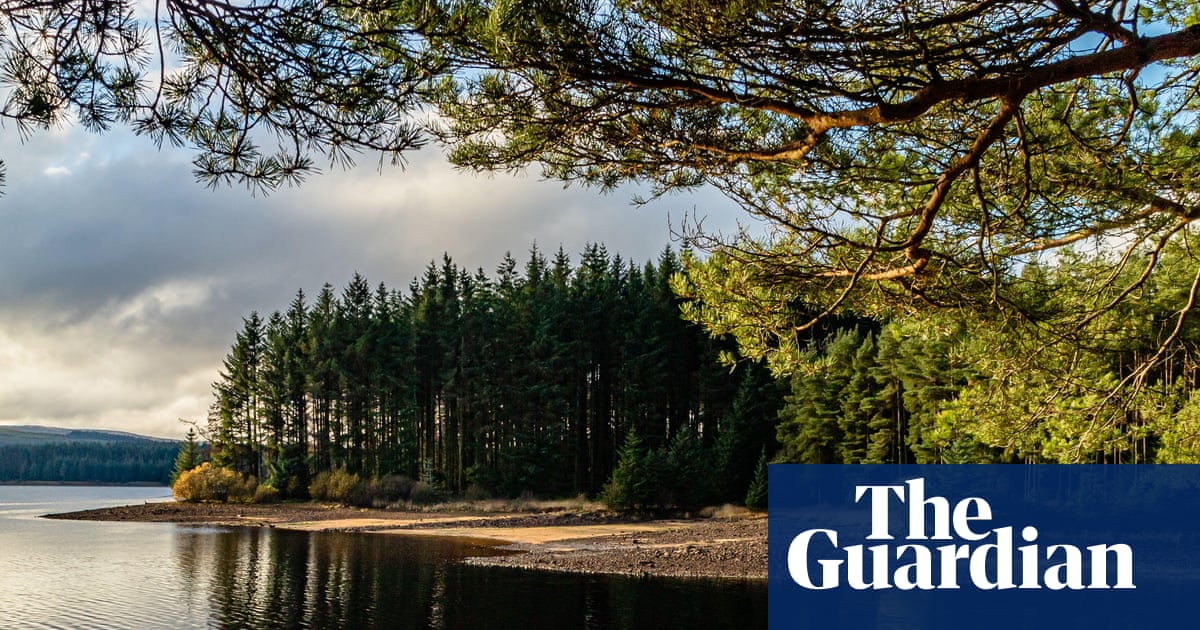
If ever a region deserved to be its own county, it’s Breckland. This is a unique swath of south Norfolk and north Suffolk dominated by sandy heathland. It has an unusually dry climate more typical of central Europe and is notable for its rare plants and birds. Once an area dominated by inland sand dunes and commercial rabbit warrens, since the 20th century it’s been planted with the pines and conifers of Thetford forest. These woods offer a wealth of walks but there is also the vast Stanta army training area, 30,000 acres in size, where people cannot go – and other species thrive.