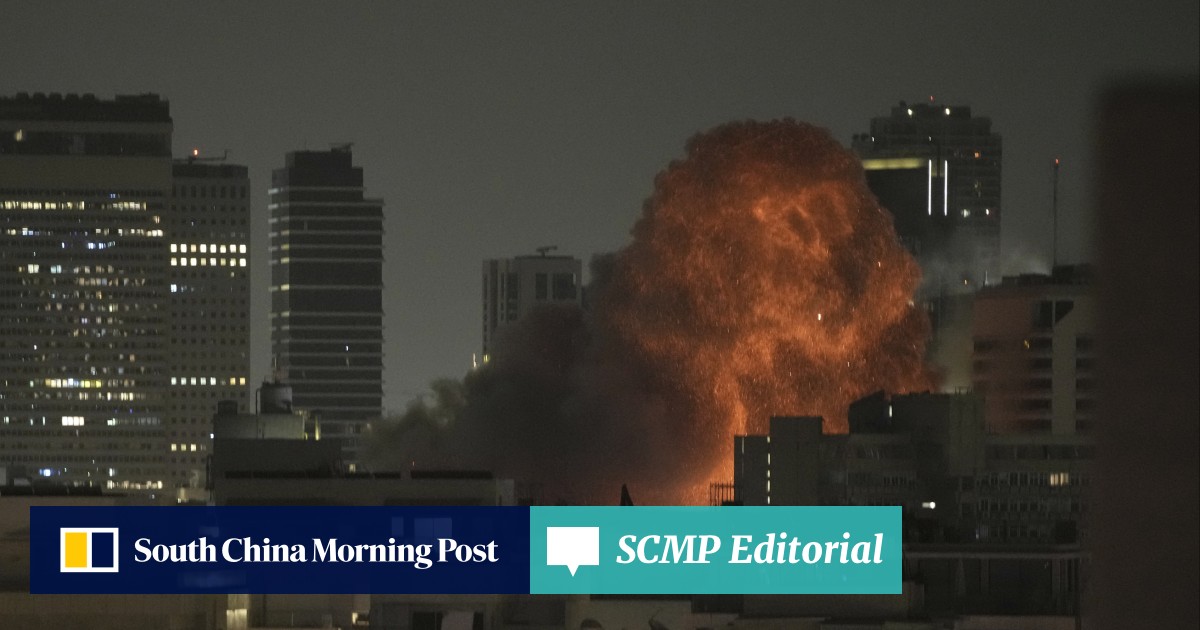
After Israel’s attacks on Iran and Ukraine’s on Russia, it is time the administration finds discipline and focus to regain authority of its foreign policy
Iran and the US have stood at a crossroads in recent weeks. Down one path lay negotiations that, while difficult, promised benefits to the citizens of both countries. Down the other path, a protracted war that promised little more than destruction.
Back in 2018, Donald Trump had blocked the diplomatic path by tearing up the existing nuclear agreement with Iran – the Joint Comprehensive Plan of Action. But since beginning his second term in January he has been surprisingly open to negotiations with Tehran. Iran’s supreme leader, Ayatollah Ali Khamenei, seemed ready to go along.
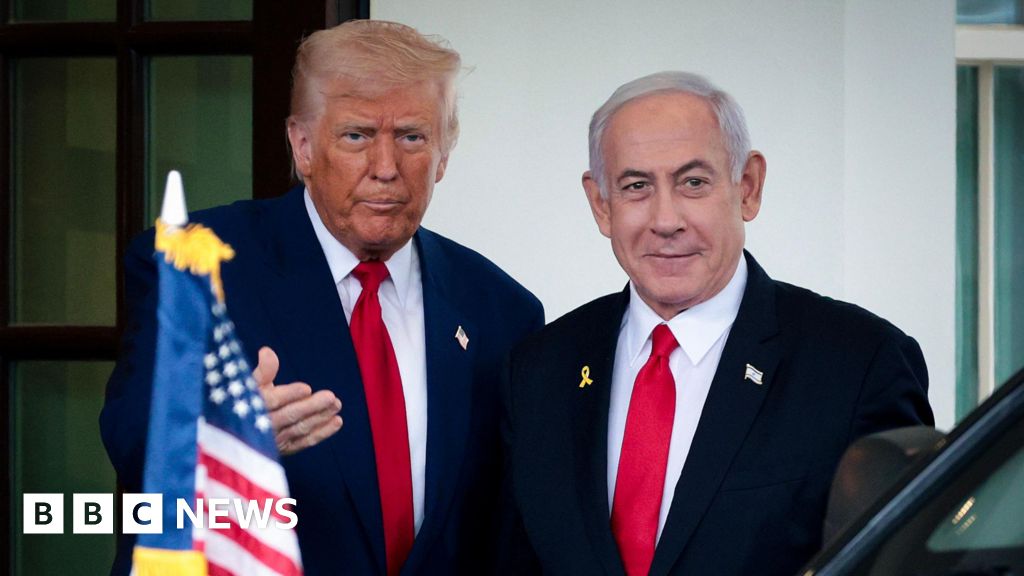
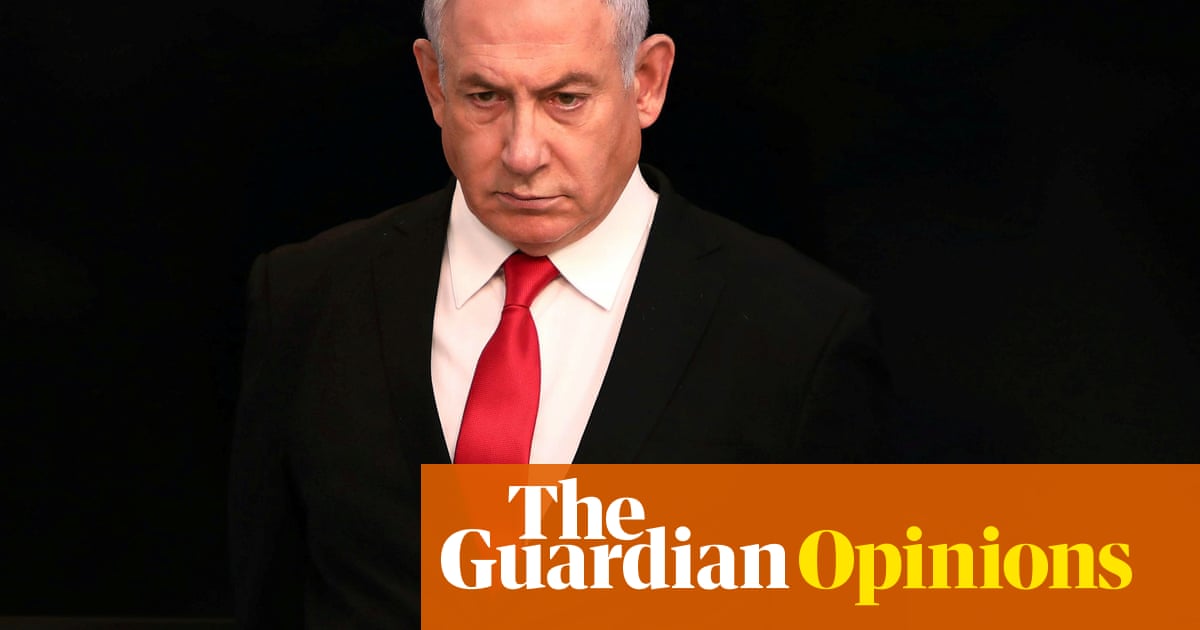
But the Israeli prime minister, Benjamin Netanyahu, has now decided for them in favor of the path of war, and despite initial hesitation, Trump now appears to be following him. Though uniquely positioned to rein in Netanyahu – more than any US president in decades – Trump has jumped on his bandwagon.
After entering office, Trump rightly pursued a deal that would offer Iran sanctions relief in return for an end to its nuclear weapons program. This deal would have served the interests of both parties. The risk of an Iranian nuclear breakout would have been greatly reduced, thus reducing pressure on other regional and global powers to pursue nuclear weapons themselves. Global energy markets would have benefited. The United States could have meanwhile pursued the drawdown of its military forces in the region, thus furthering a goal of every US president since Barack Obama. Improved US relations with Iran would also have helped to complicate Iran’s deepening ties to Russia and China.