No amount of foreign aid can fix what bad governance and political impunity continue to destroy.
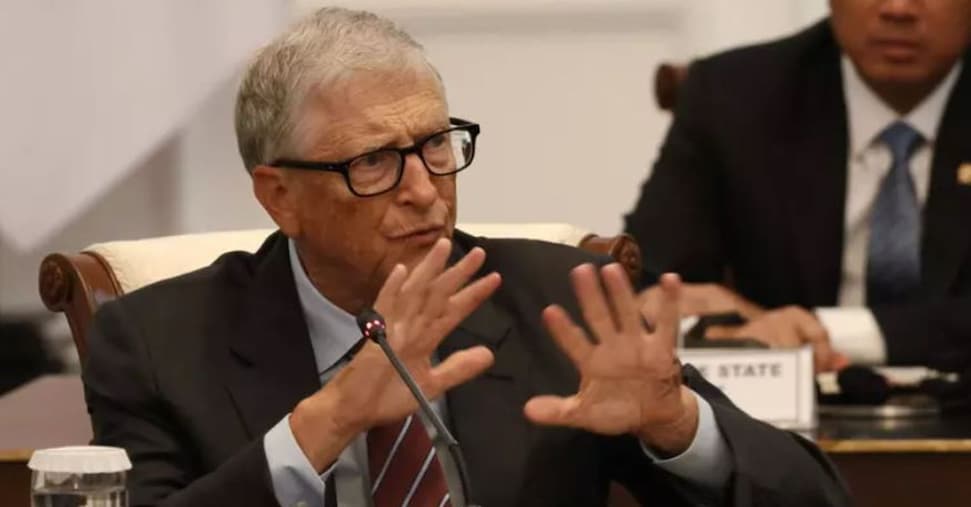
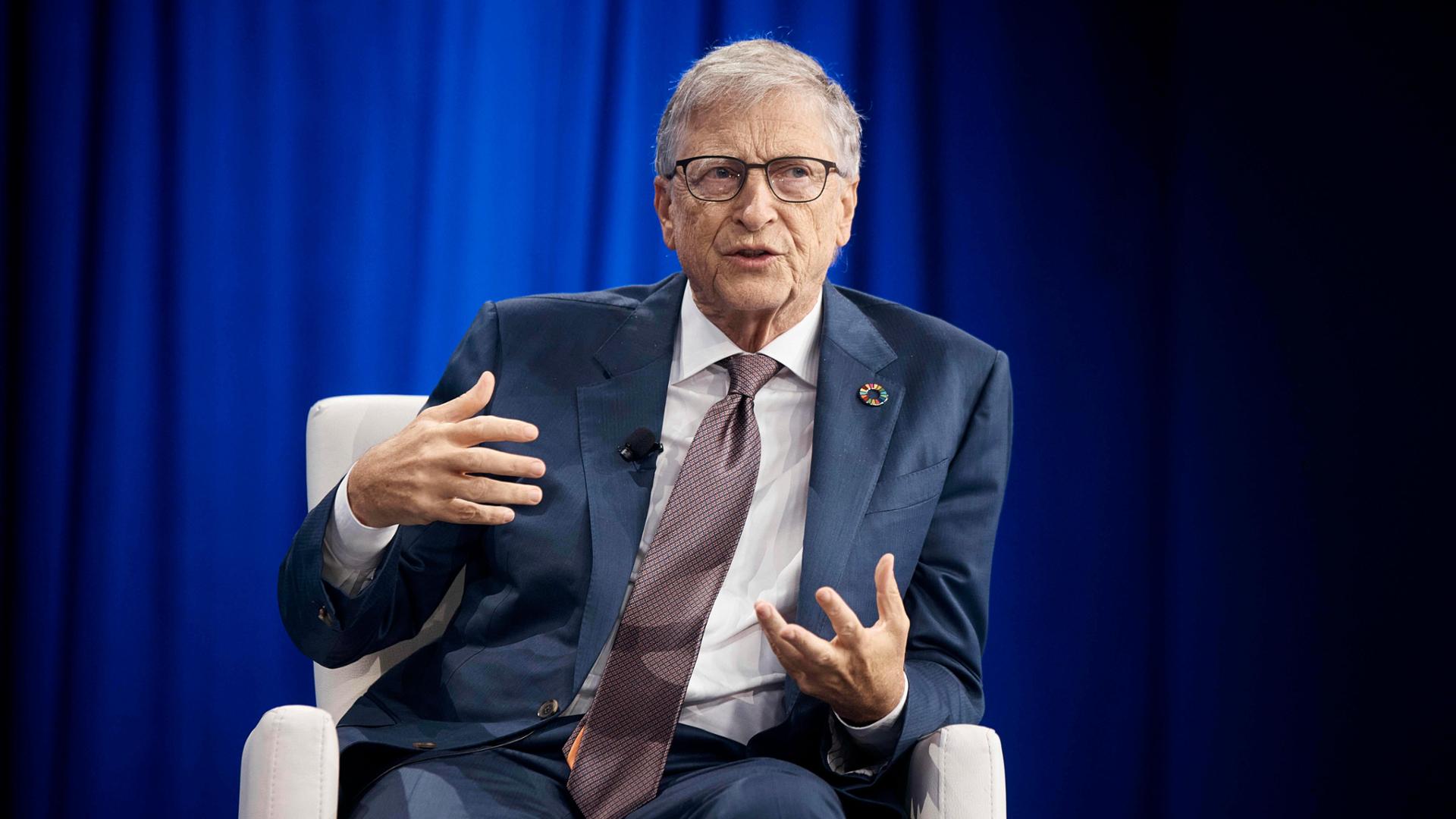
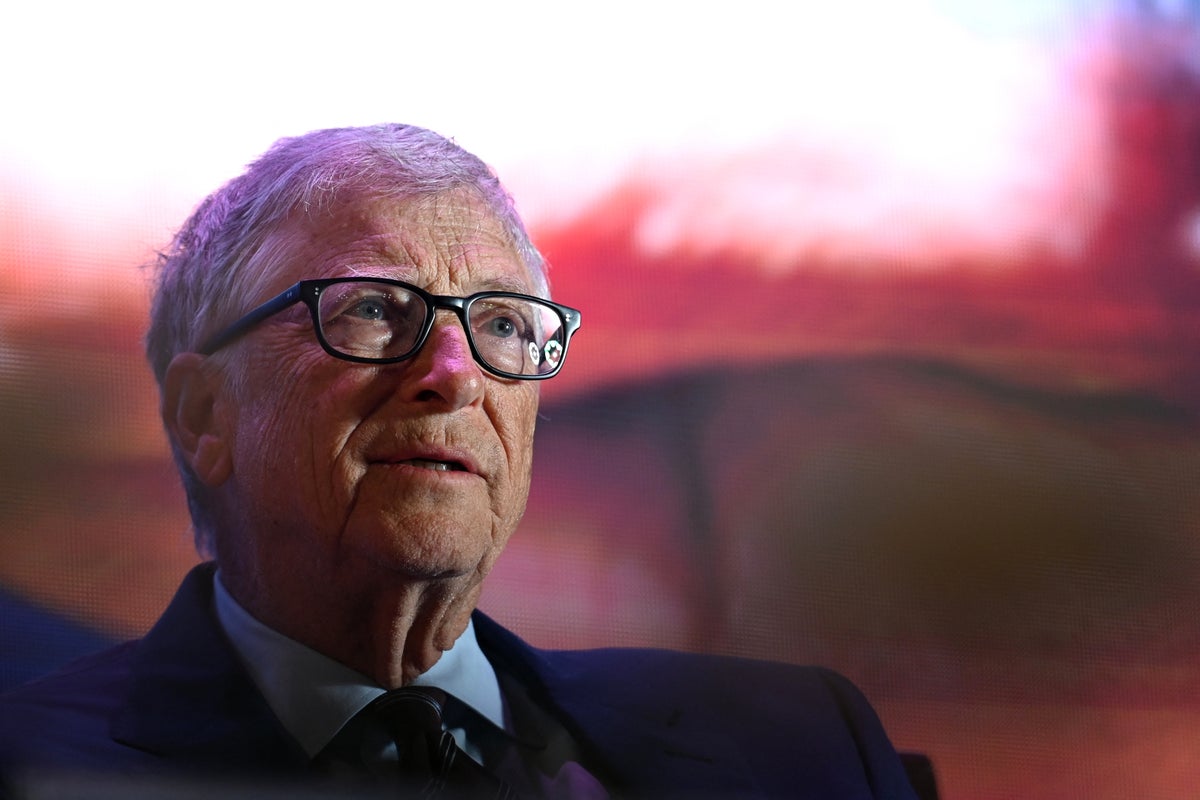
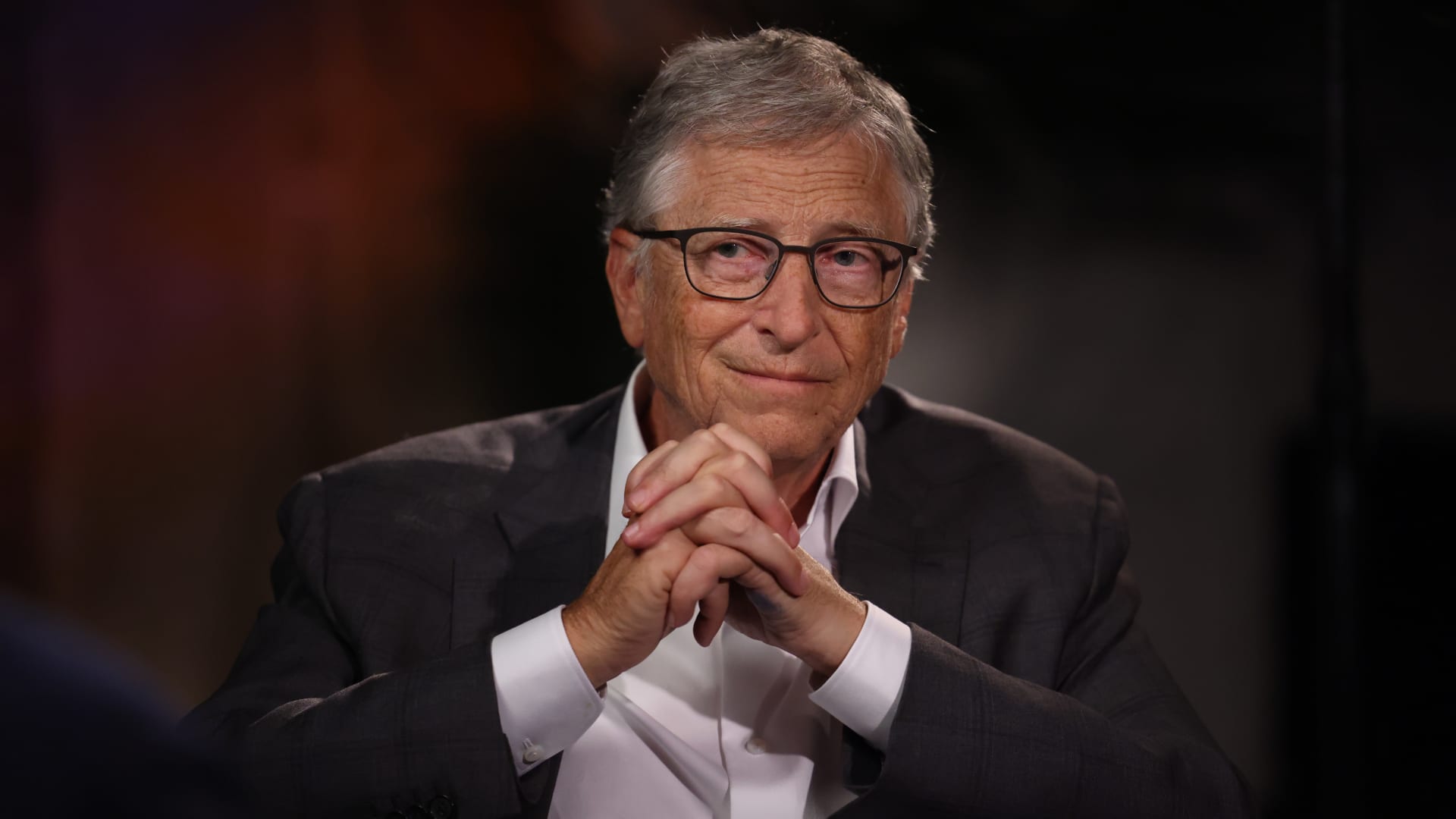
On June 2 while addressing an audience in the Nelson Mandela Hall at the African Union headquarters in Addis Ababa, Ethiopia, Bill Gates – the world’s second richest person and co-chairman of the Bill & Melinda Gates Foundation – announced that a significant portion of his nearly $200bn fortune would be directed towards improving primary healthcare and education across Africa over the next two decades. This extraordinary philanthropic pledge is expected to fulfil a commitment he made on May 8 to donate “virtually all” of his wealth before the Gates Foundation permanently closes on December 31, 2045.
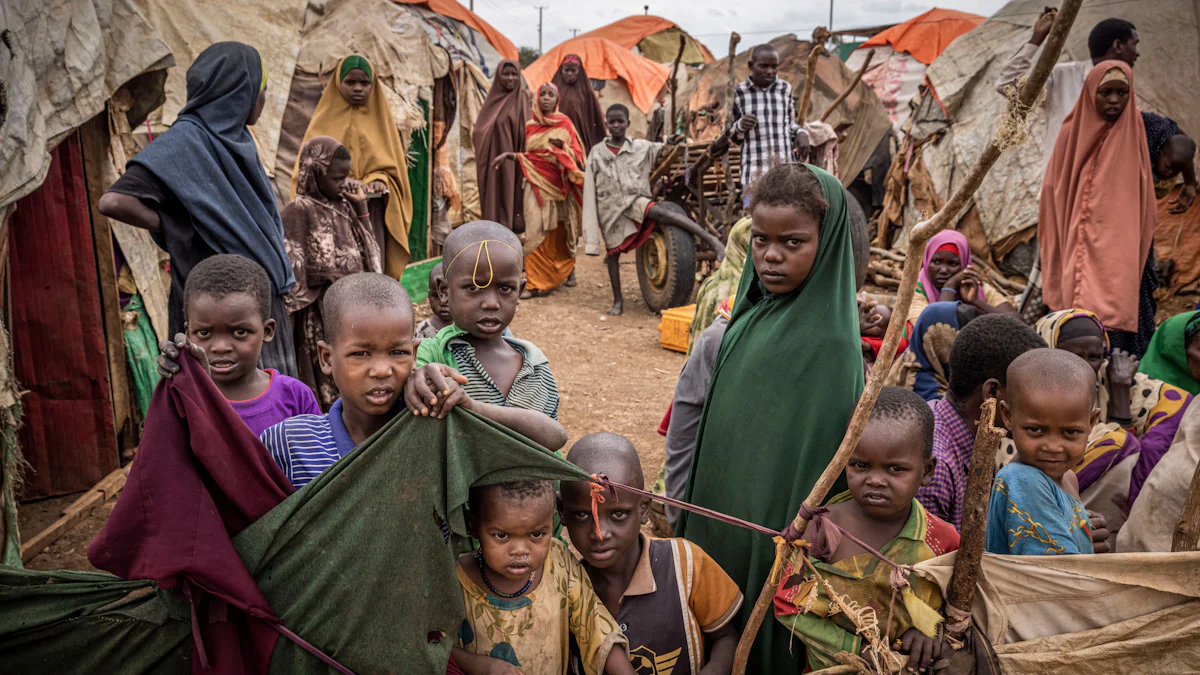
Former Mozambique first lady Graca Machel, a renowned humanitarian and global advocate for women’s and children’s rights, attended the event and welcomed the announcement. Describing the continent’s current situation as at a “moment of crisis”, she declared: “We are counting on Mr Gates’s steadfast commitment to continue walking this path of transformation alongside us.”
The Gates Foundation has operated in Africa for more than two decades, primarily in Burkina Faso, Ethiopia, Kenya, Nigeria, Senegal and South Africa. Over the years, it has funded a range of programmes in areas such as nutrition, healthcare, agriculture, water and sanitation, gender equality and financial inclusion. In agriculture alone, it has spent about $6bn on development initiatives. Despite this substantial investment, the foundation’s efforts have been the subject of widespread criticism both in Africa and internationally.