The current process ignores justice, trauma and truth – and risks locking in endless war.
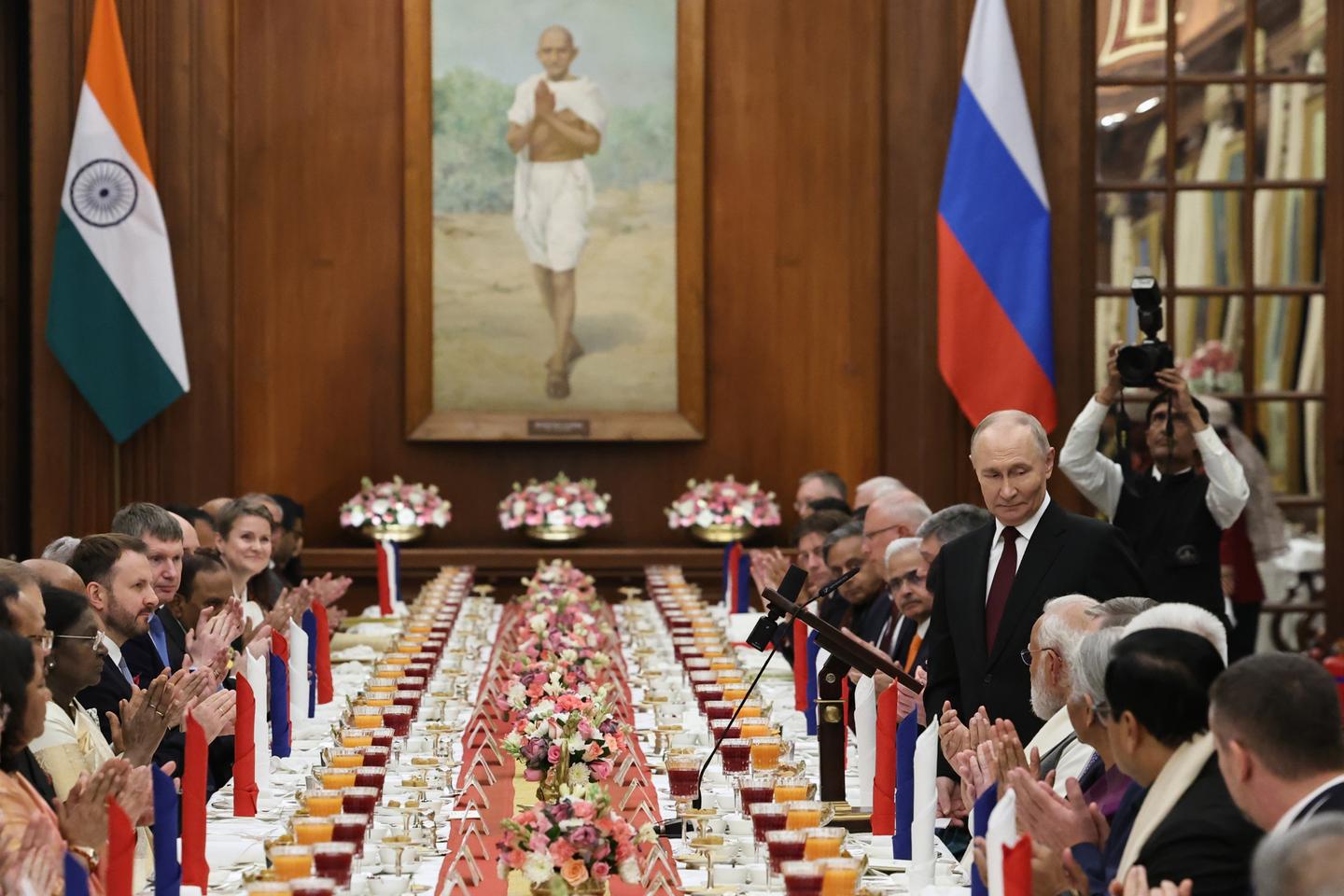
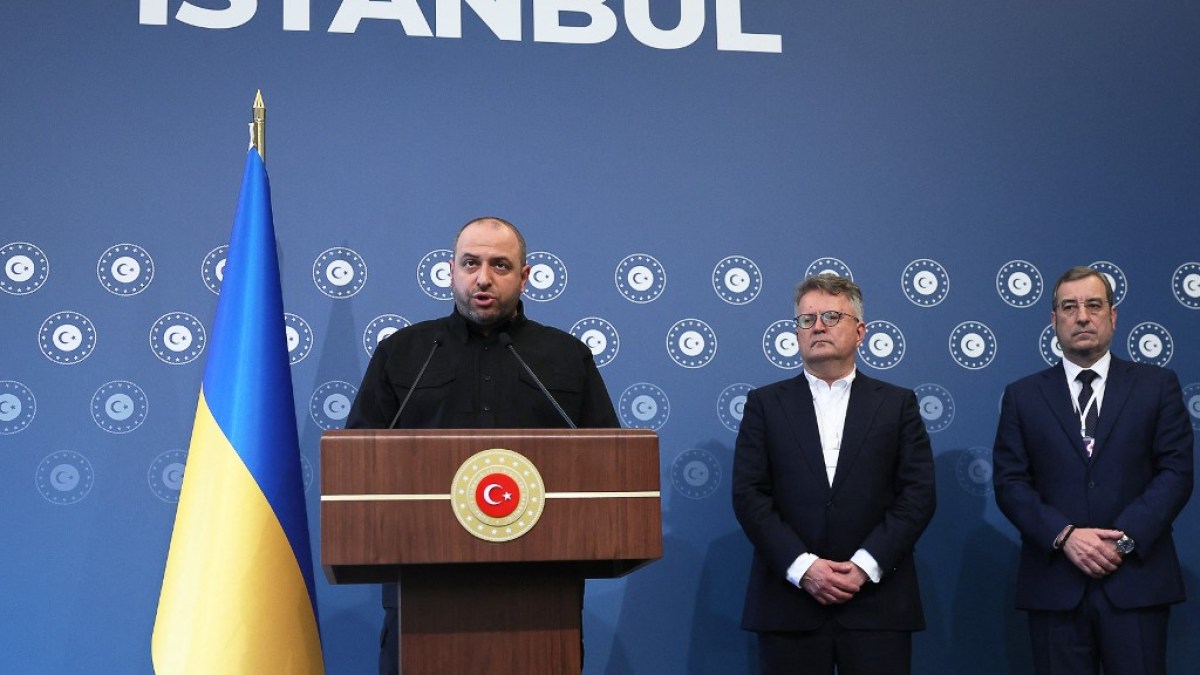
This month’s peace talks between Russia and Ukraine in Istanbul have once again failed to bring the war any closer to a ceasefire. The only outcome – a limited agreement on prisoner exchanges – underscores a troubling truth: the current negotiation framework is not working.
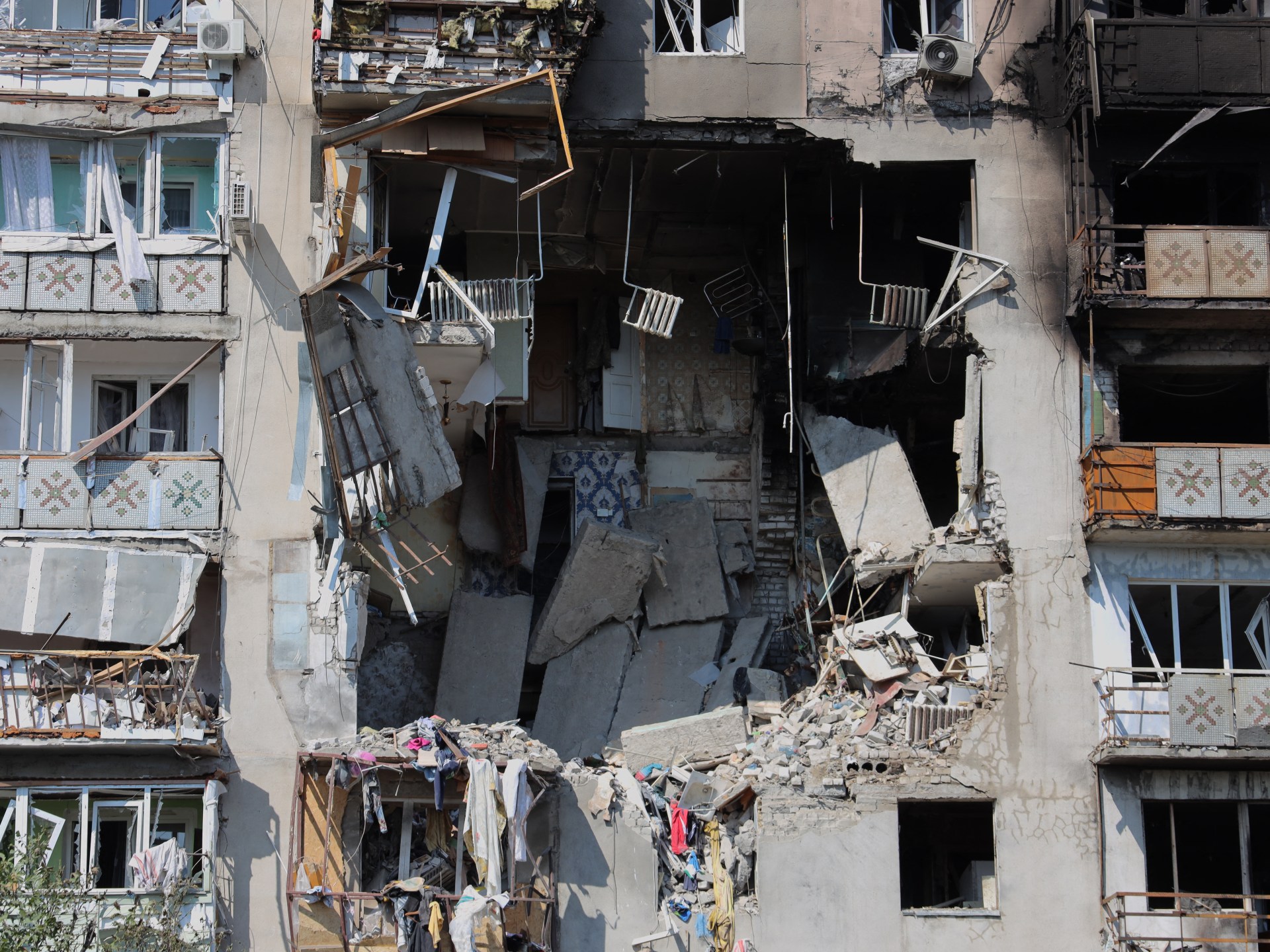
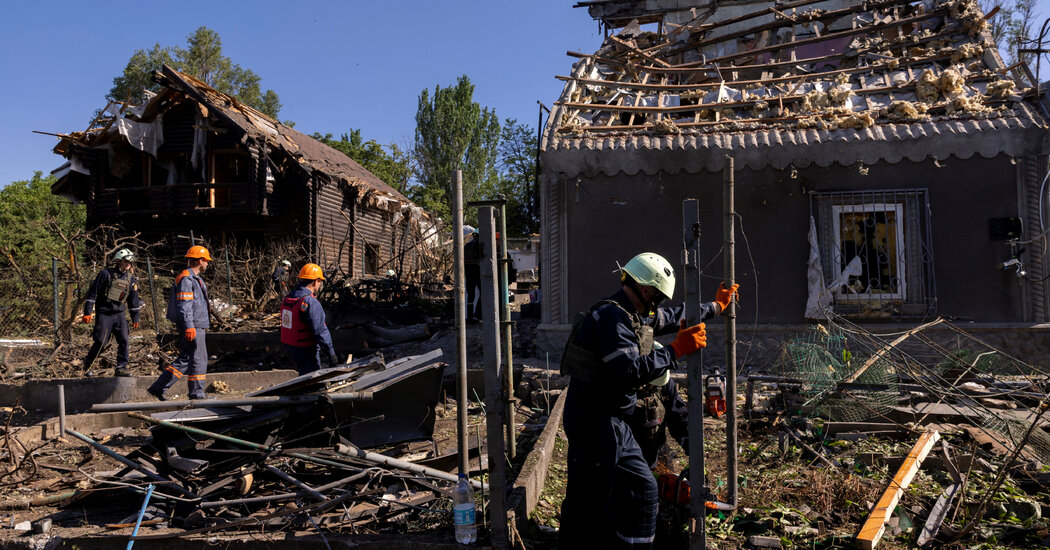
Meanwhile, military escalation on both sides shows no signs of slowing. In such an atmosphere, diplomacy becomes increasingly difficult. A ceasefire feels out of reach, and uneasy comparisons with the Korean Peninsula’s frozen armistice are beginning to surface – a scenario that would only entrench division, fuel resentment, and leave key territorial issues unresolved.
That is why we must fundamentally rethink how these talks are structured and led. Yes, a full, unconditional 30-day ceasefire – as Ukraine proposed in Istanbul – is the bare minimum needed to create space for diplomacy. Talks must be convened without preconditions, offering all parties a seat at the table on neutral ground.
There is no shortage of thoughtful policy proposals in Western circles outlining feasible paths to peace. We support calls for stronger international engagement, particularly from the United Nations, the United States and the European Union. What is needed now is urgent, coordinated global action – before tit-for-tat escalations spiral even further out of control.