I
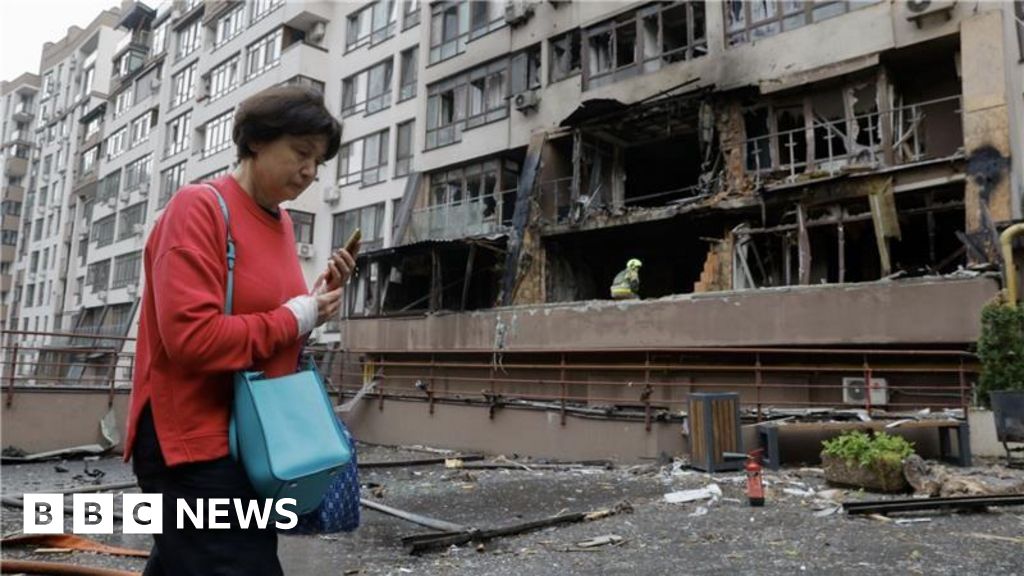
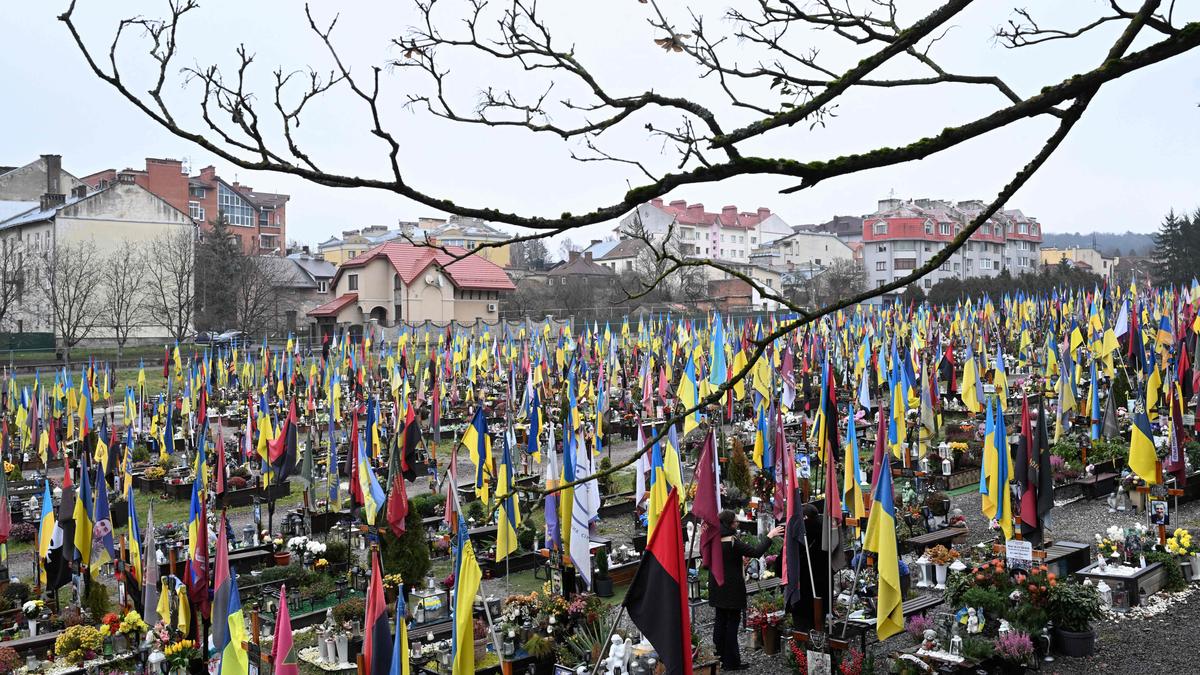
n late February 2022, days after Russia launched its invasion of Ukraine, Russian and Ukrainian officials met in Belarus, opening a diplomatic channel. Russian troops had advanced towards Kharkiv in the northeast and Kherson in the south, but if Moscow expected a quick victory, it was mistaken.
The talks that began in Belarus continued under Turkey’s mediation, culminating in a meeting in Istanbul on March 29, 2022. Ahead of the talks, Turkish President Recep Tayyip Erdogan said Ukraine was ready to renounce NATO membership and recognise Russian as an official language. Soon after the Istanbul meeting, Russia announced that it would pull back troops from the Kyiv and Chernihiv fronts as a “diplomatic gesture”. It later emerged that Russian and Ukrainian officials had tentatively agreed on the outlines of an interim settlement. According to a September 2022 essay in Foreign Affairs by Fiona Hill and Angela Stent, both former U.S. foreign service officials, it was decided that Russia would agree to withdraw to its pre-war position (meaning it would keep Crimea, annexed in 2014, and that pro-Russian rebels would control parts of Donetsk and Luhansk). In return, Ukraine would pledge not to seek NATO membership and instead receive security guarantees from a group of countries. According to Russian Foreign Minister Sergei Lavrov, Moscow and Kyiv were ready to draft an agreement based on the Istanbul framework.