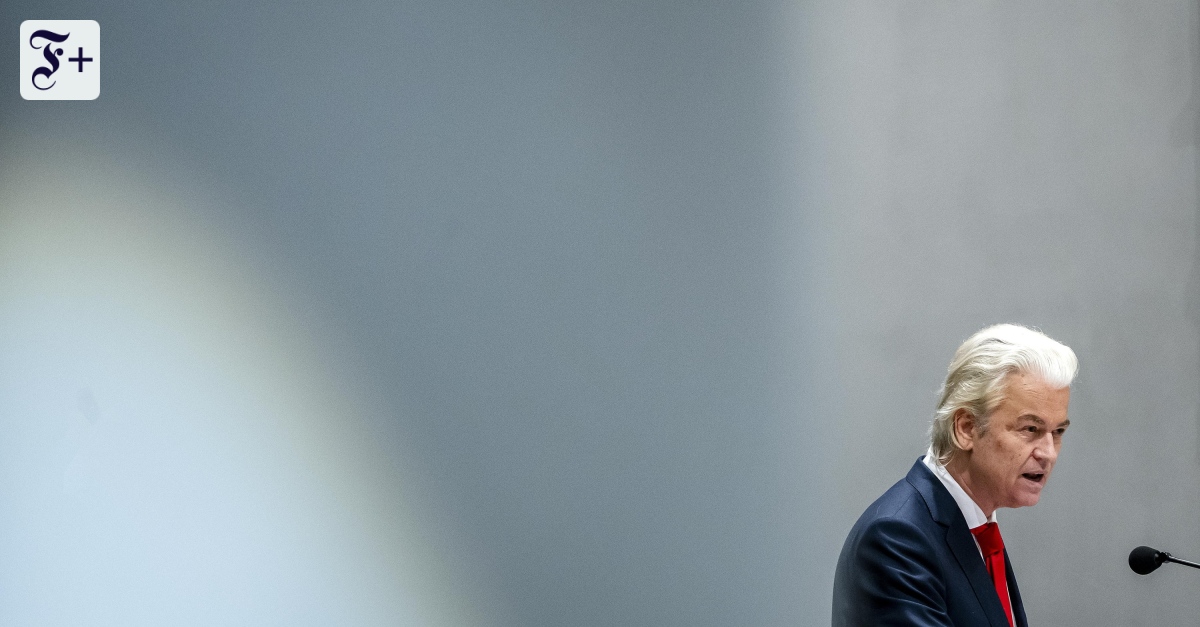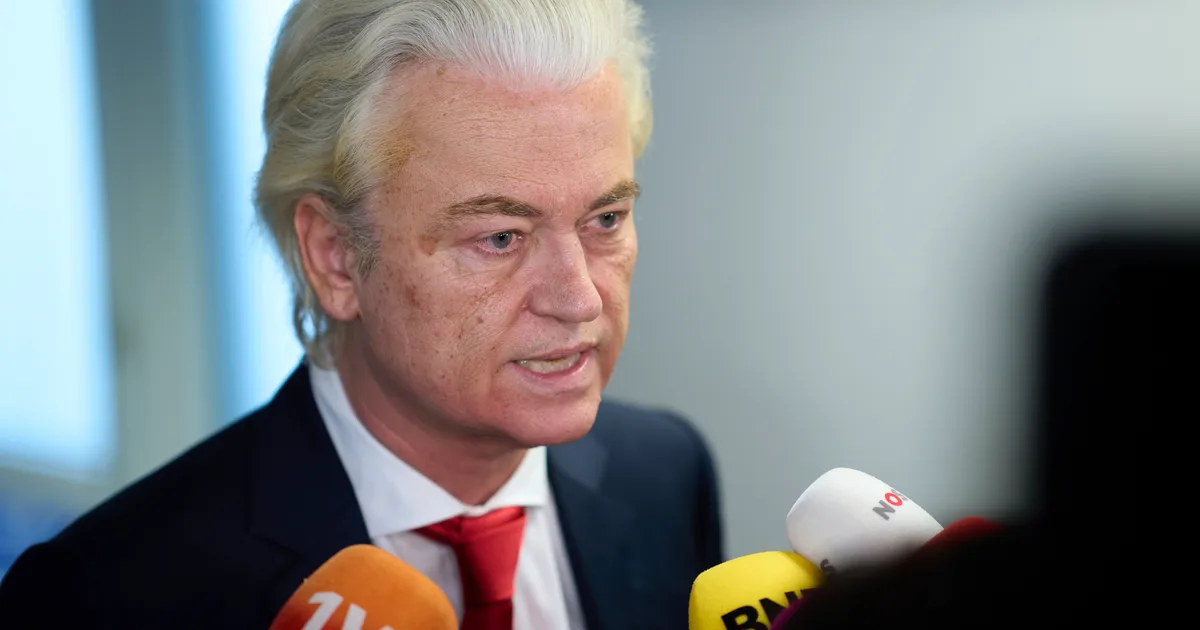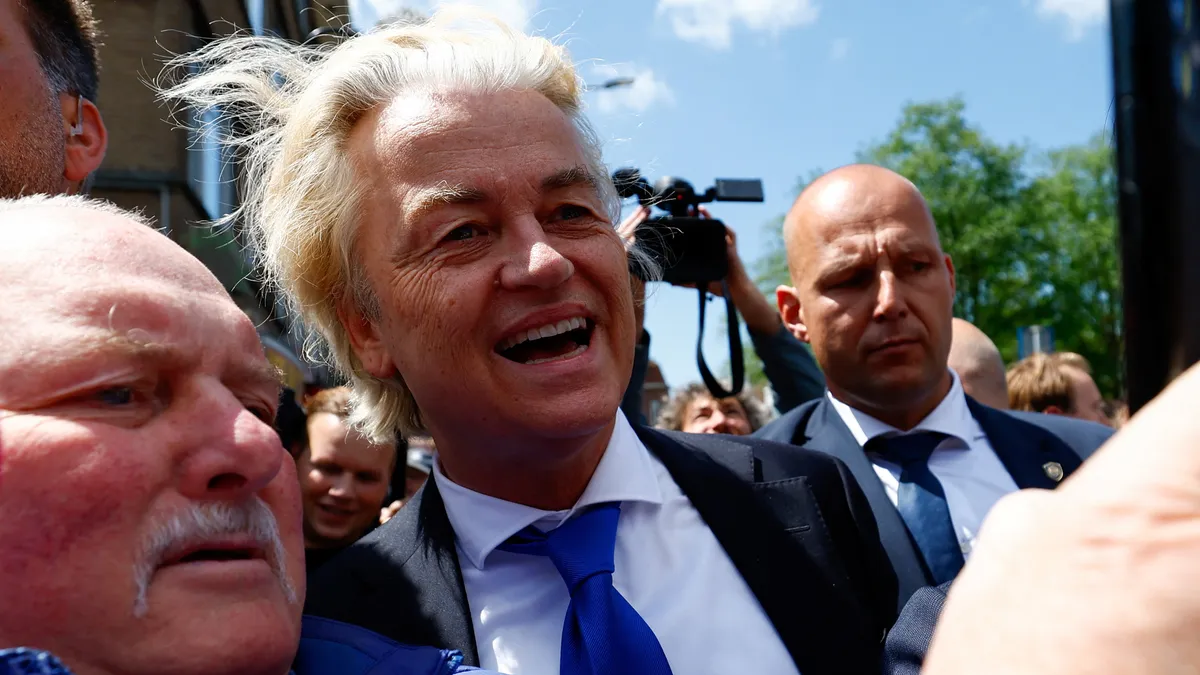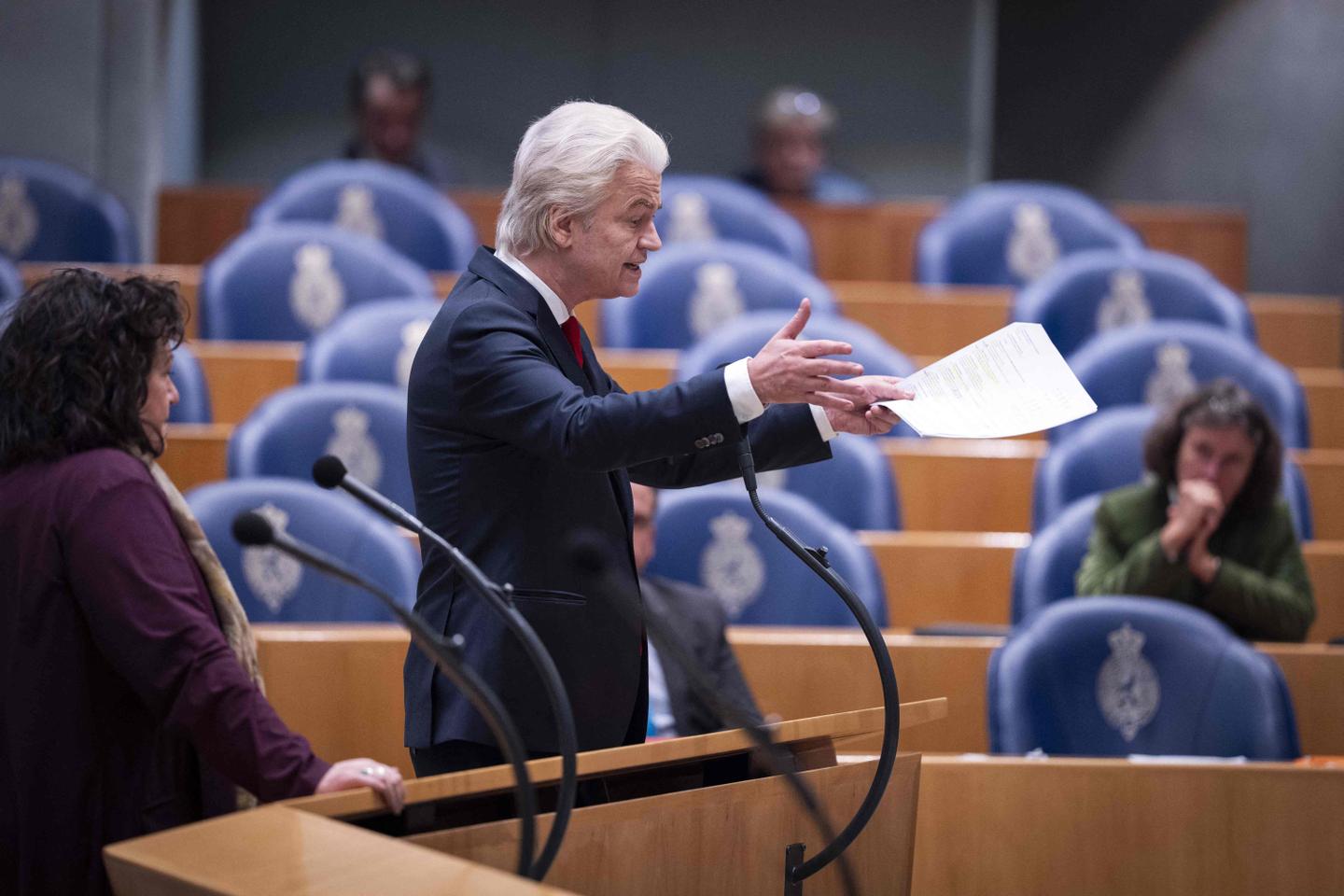
The anti-Islam ideologue has exposed the limits of his insular, badly organised operation. For a ‘radical’, opposition is a much easier place
Koen Vossen is the author of The Power of Populism: Geert Wilders and the Party for Freedom in the Netherlands
E
arlier this month, Geert Wilders decided he had had enough. “No signature for our asylum plans. No changes to the coalition agreement. The PVV is leaving the coalition,” he posted on X. After 11 months, he was withdrawing support for the Dutch prime minister Dick Schoof’s rightwing cabinet, forcing the Netherlands back to the polls.
The decision put an end to Wilders’ far-right Freedom party’s (PVV) first spell in power. Following an unexpected victory in the 2023 elections, the PVV joined a government for the first time in its 18-year history – alongside the conservative-liberal People’s Party for Freedom and Democracy (VVD), the centrist New Social Contract (NSC), and the agrarian-populist Farmer–Citizen Movement (BBB) – although Wilders’s coalition partners did not let him become prime minister. But the promise to drastically reduce immigration and implement a strict asylum policy proved difficult to deliver due to numerous constitutional and legal restrictions.