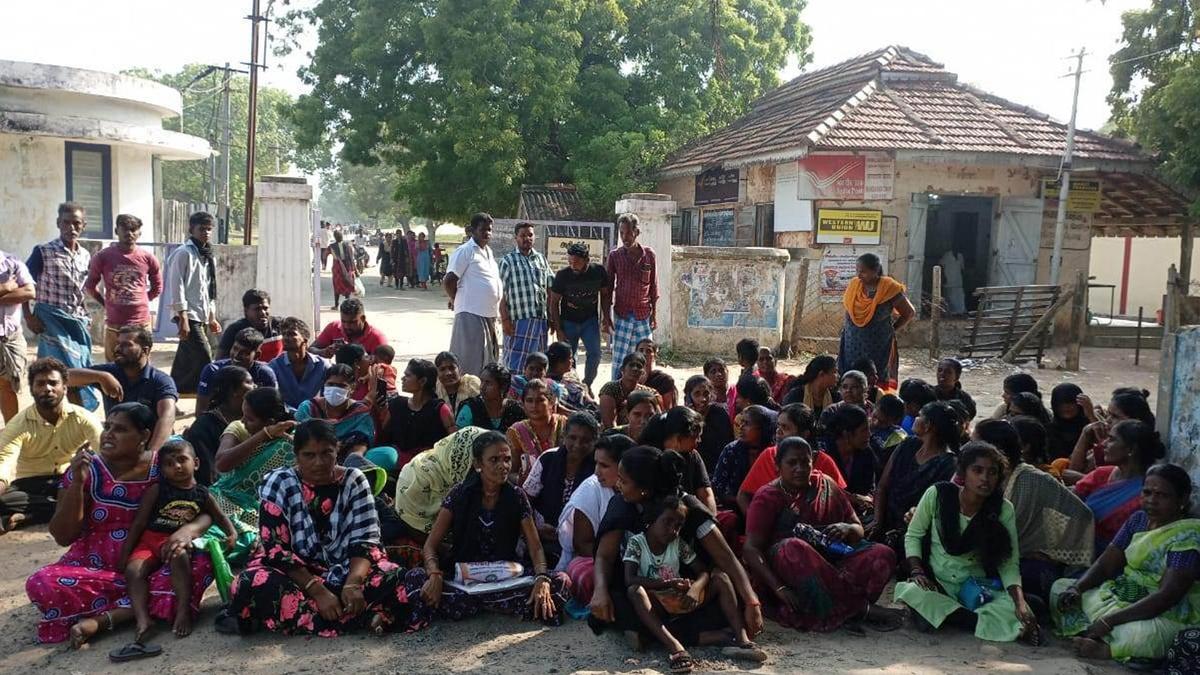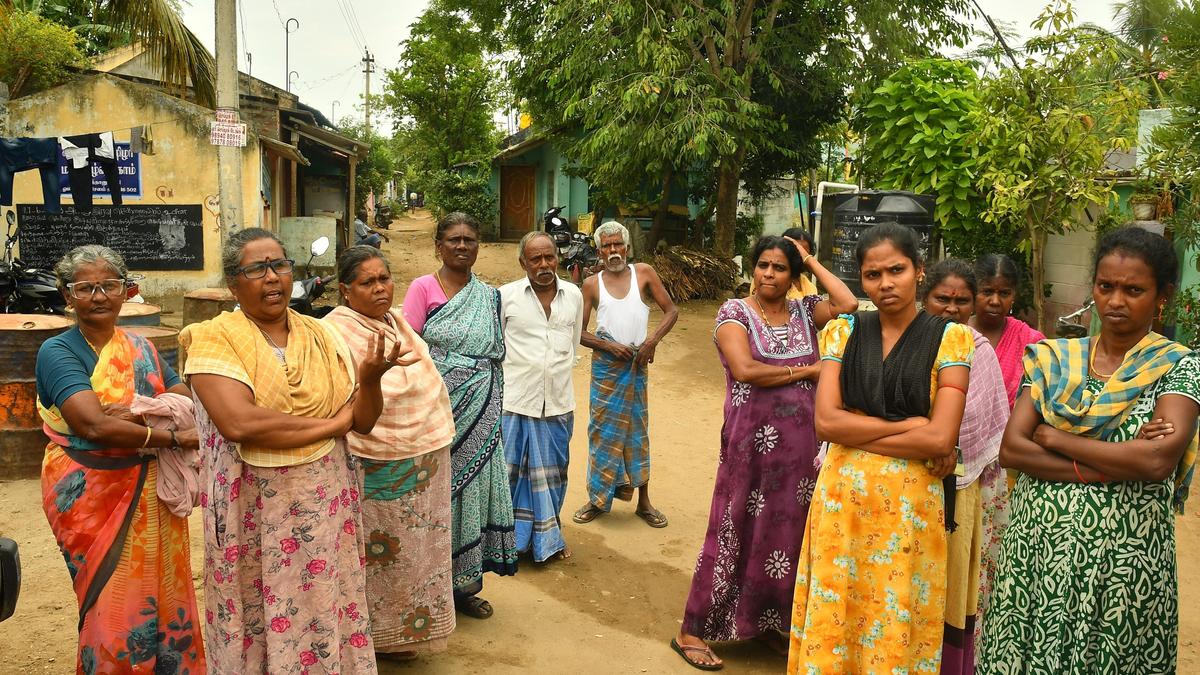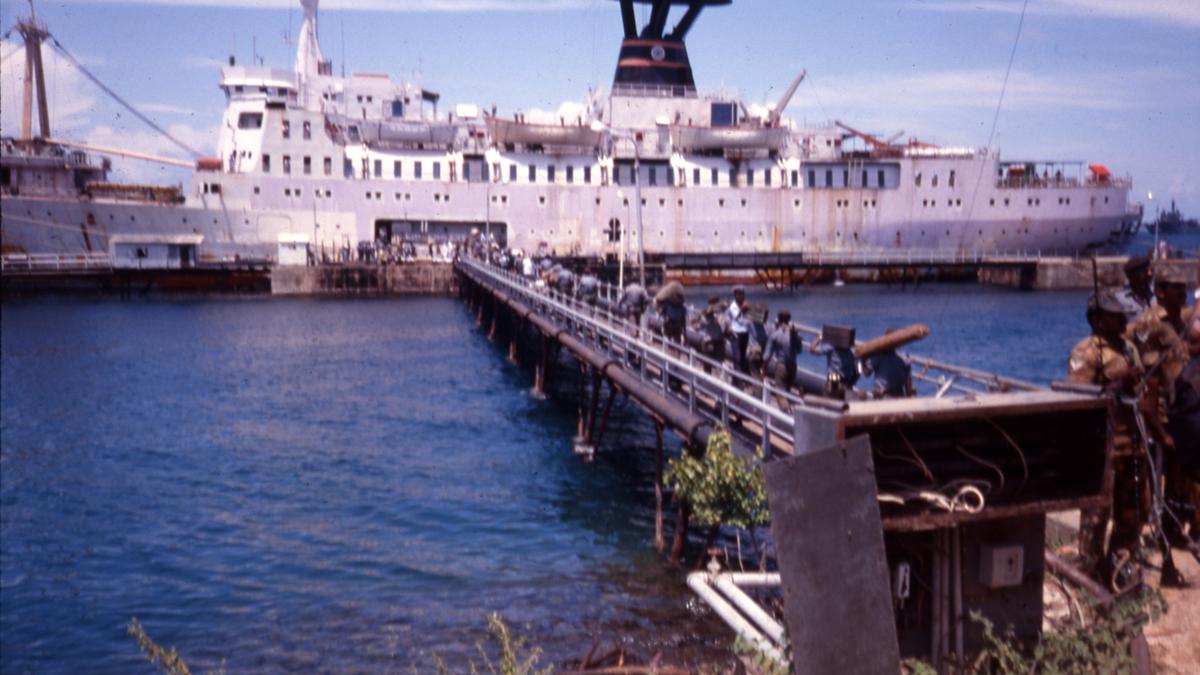
Tamil Nadu has an enviable track record of providing shelter to those in distress, regardless of their place of origin. But an episode in March 1990, concerning Sri Lankan refugees, marks an aberration to the State’s tradition. This episode, involving 1,612 refugees — 353 women and 400 children —remains less discussed in public discourse, and its recall assumes relevance in light of World Refugee Day falling on June 20.
Ranasinghe Premadasa’s assumption of office of the President of Sri Lanka in January 1989 made a perceptible difference to the presence of Indian Peacekeeping Force (IPKF) in the neighbouring country. Five months later, Premadasa openly demanded the ouster of the IPFK, which went there in July 1987 on the request of his predecessor, J.R. Jayawardene, following the Indo-Sri Lanka accord. The new incumbent made the demand, keeping in mind the separate anti-IPKF campaigns by two diverse militant groups, Janatha Vimukthi Peramuna (JVP, which had subsequently abandoned its militant path and joined the political mainstream) and the Liberation Tigers of Tamil Eelam (LTTE). After the IPKF’s de-induction commenced by the end of July 1989, the LTTE began taking control of areas in the northern and eastern regions. As the end of the political set-up in the then North East Provincial Council (NEPC), headed by A. Varatharaja Perumal of the Eelam People’s Revolutionary Liberation Front (EPRLF), became evident, the influx of refugees to Tamil Nadu resumed in a big way.