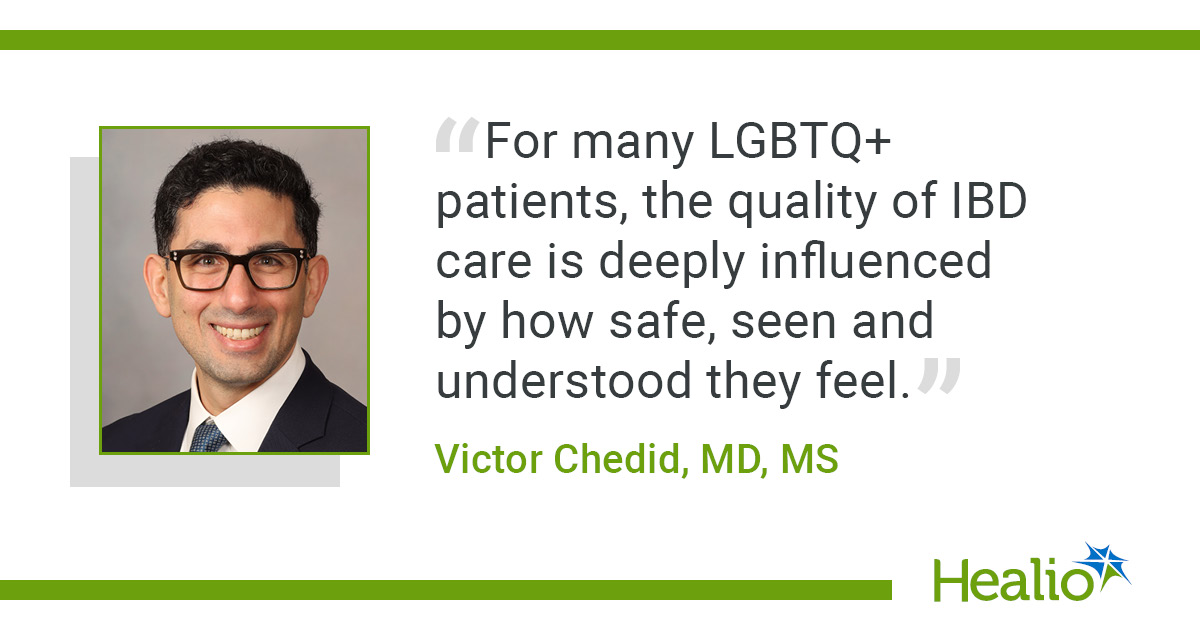
June 10 (UPI) -- When LGBTQ+ patients are unsure if they can be open about their identity and related health needs, it becomes more difficult for them to access high-quality health care.
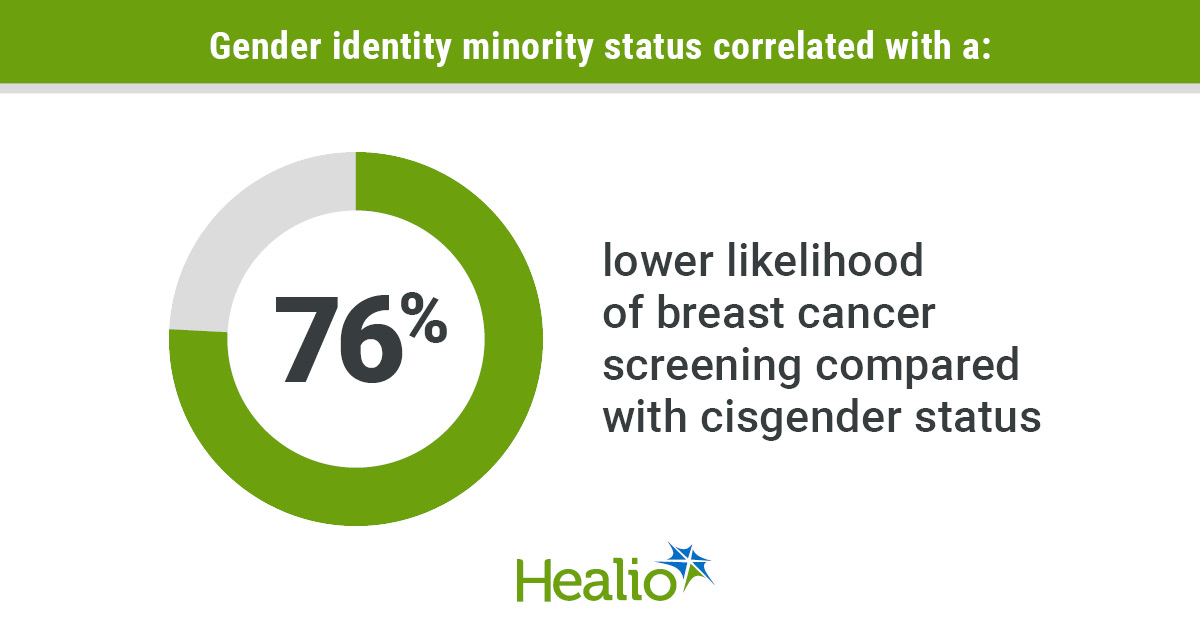
In our recently published research, my colleagues and I found that how LGBTQ+ people are treated at the doctor's office has a measurable effect on whether they stay up to date with lifesaving preventive care like flu shots, colorectal cancer screenings and HIV testing.
Results of affirming care
We examined how LGBTQ+ adults rated their health care provider across three areas: LGBTQ+ cultural competency, such as if providers used inclusive language on forms and in person; LGBTQ+ clinical competency, such as their doctor's knowledge on all aspects of their health; and experiences of discrimination, such as being told to seek care elsewhere.
After analyzing survey data on the experiences of more than 950 LGBTQ+ adults from across the U.S., we saw that three clear patterns emerged.