Positive thinking is linked to better health outcomes. Hopefulness seems especially important.
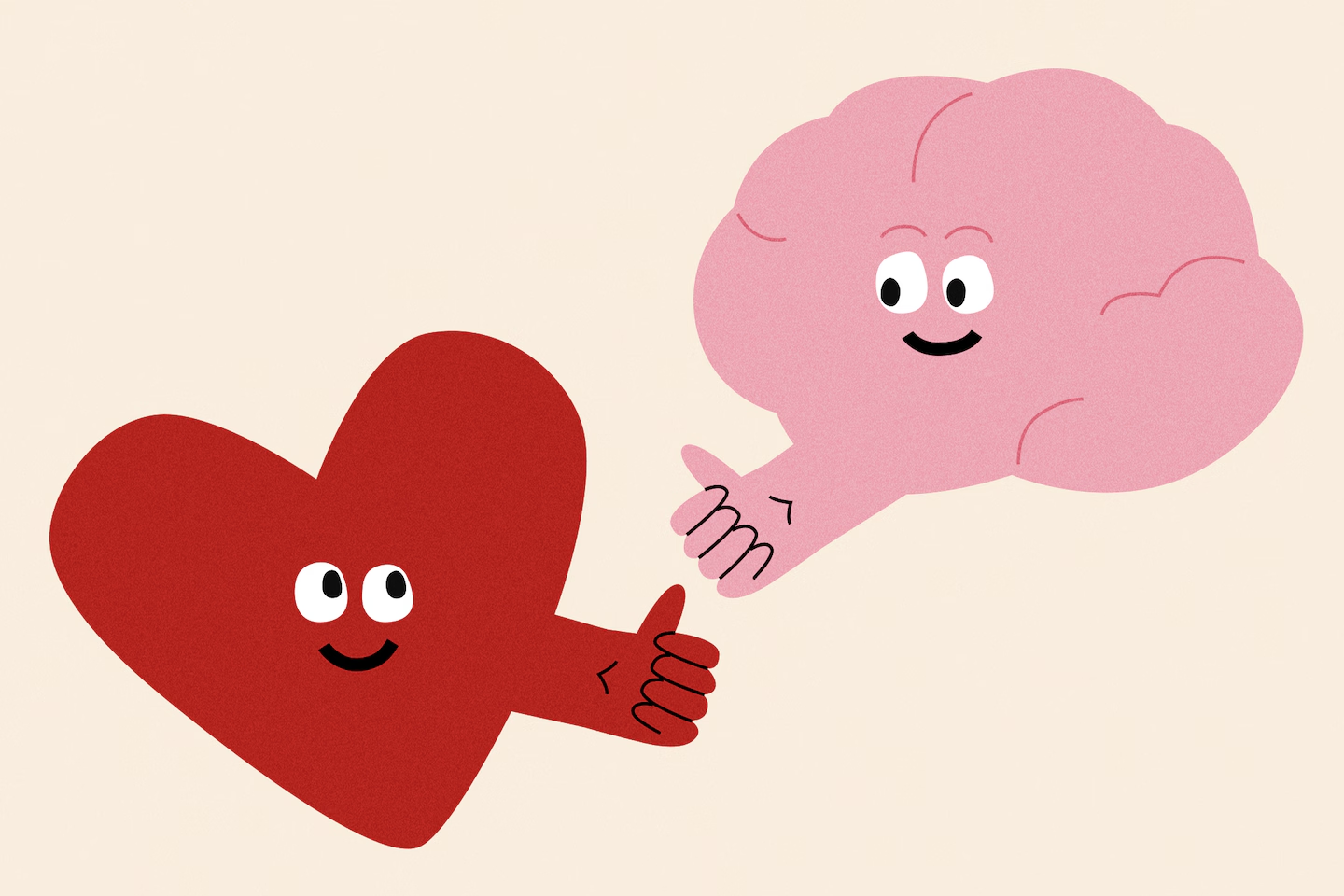
This week, I’ve been thinking about the powerful connection between mind and body. Some new research suggests that people with heart conditions have better outcomes when they are more hopeful and optimistic. Hopelessness, on the other hand, is associated with a significantly higher risk of death.
The findings build upon decades of fascinating research into the phenomenon of the placebo effect. Our beliefs and expectations about a medicine (or a sham treatment) can change the way it works. The placebo effect’s “evil twin,” the nocebo effect, is just as powerful—negative thinking has been linked to real symptoms.
Right to Try laws are being adopted and expanded throughout the country. In one state, they’ll allow healthy people to access unproven treatments.
Researchers are still trying to understand the connection between body and mind, and how our thoughts can influence our physiology. In the meantime, many are developing ways to harness it in hospital settings. Is it possible for a doctor to prescribe hope?