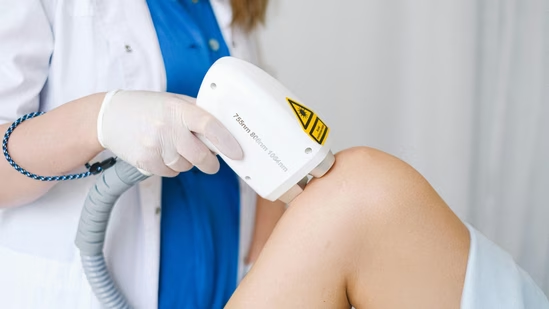
Lasers have come a long way from the Barbarella-style space beams of the 1990s. These high-tech skin treatments use varying strengths of concentrated light beams to zap everything from wrinkles and rosacea to sunspots and acne scars, using intense heat to stimulate scar repair and trigger collagen production in pursuit of smoother, healthier-looking skin.
Treatments typically fall into two categories. On the gentler end of the scale are non-ablative lasers – wavelengths of 1,550, 1,927 and 1,440nm – that heat the deeper layers of the skin without damaging the surface. The more aggressive, ablative lasers such as CO2 (10,600nm), meanwhile, remove the skin’s outer layer. They can be effective at targeting wrinkles, but require more downtime following treatment: side effects include swelling, redness and temporary changes to skin colour.
When the UK removed non-surgical lasers from Care Quality Commission oversight in 2010, these powerful devices went from medical hands to almost anyone with a skin anatomy qualification. (In contrast, the US Food and Drug Administration keeps both medical and non-medical lasers under regulation.) As a result there was a surge in underqualified practitioners. Badly administered (or used too frequently) lasers can cause burns and pigmentation. Some studies, including one by the Journal of Cosmetic Dermatology, have found that ablative lasers can lead to loss of epidermal thickness. This is especially true when patients fail to leave enough time between treatments. A lot of the “skin thinning” stories stem from impatience.