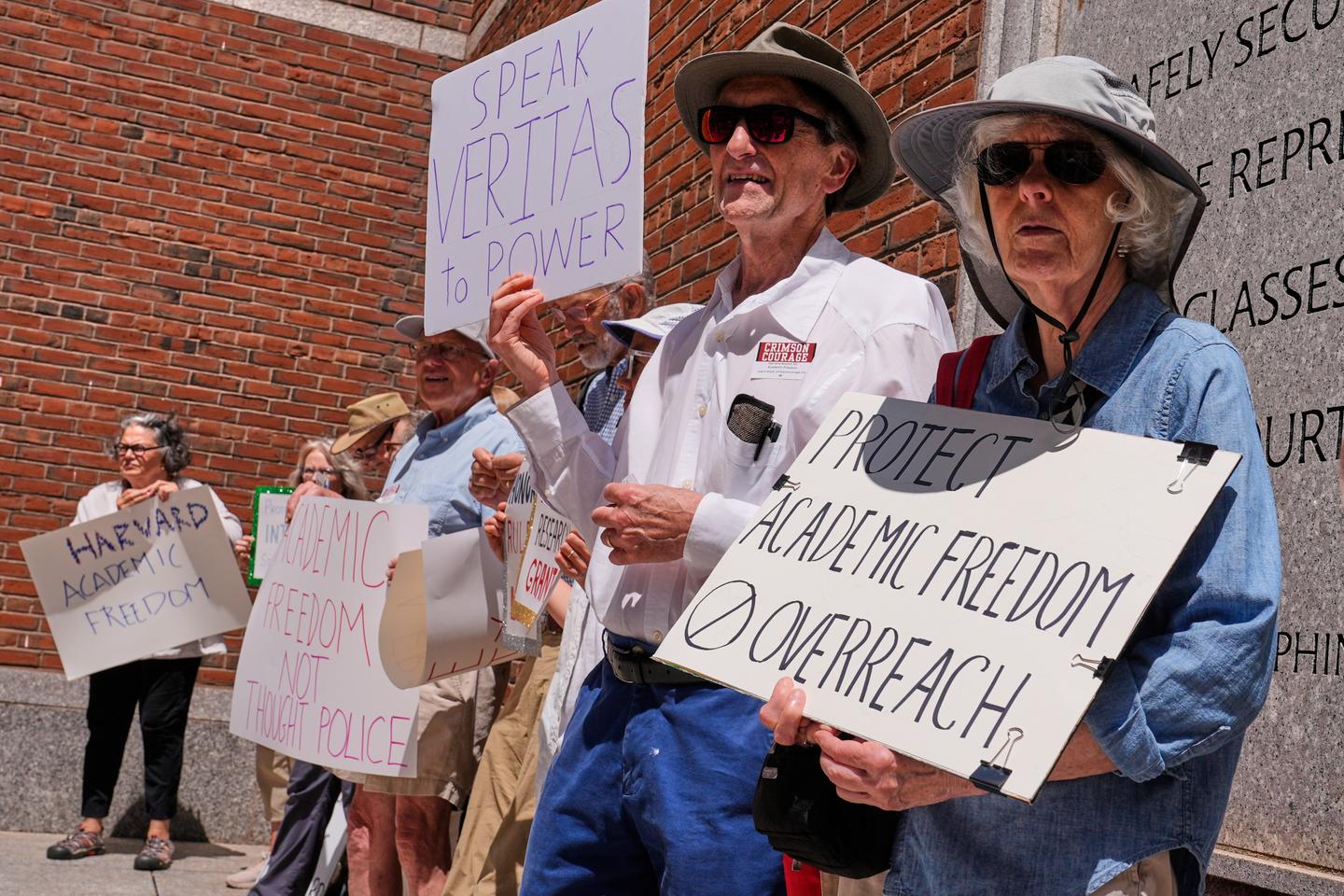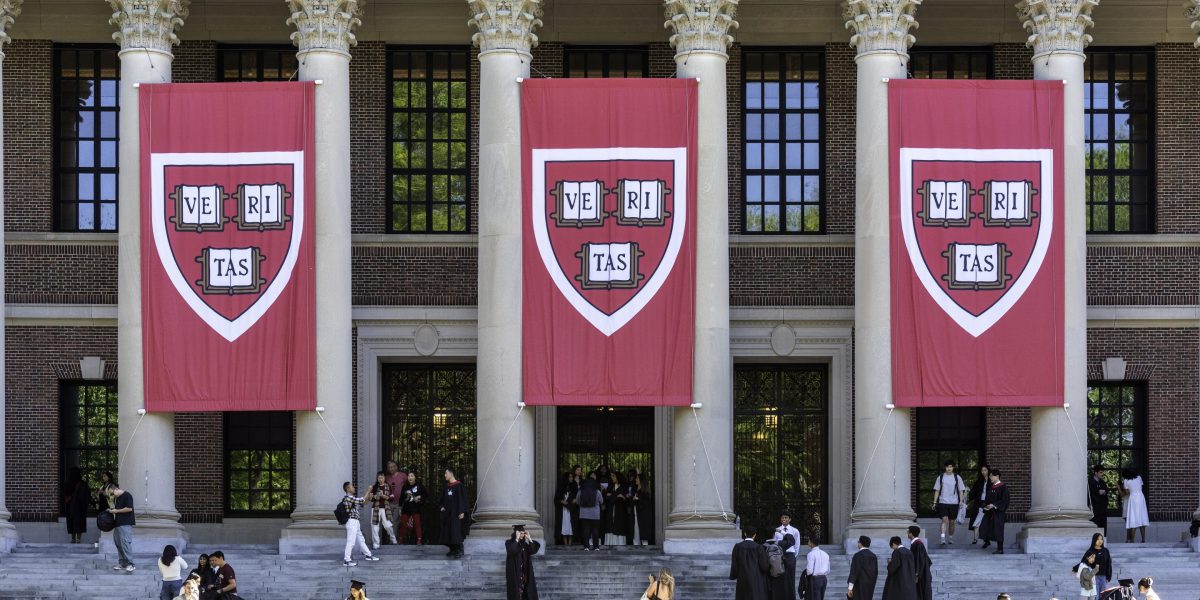
Harvard, Columbia and other higher education institutes are facing funding cuts over their policies, but reform may not be the administration’s goal
In 2018, a teaching hospital at Harvard took down 30 portraits of distinguished doctors and researchers affiliated with the hospital. The portraits reinforced a perception that “white men are in charge”, a professor of medicine told the Boston Globe, and were relegated to less prominent areas of the hospital. Some students and faculty welcomed the decision, or were indifferent.
Others were disconcerted. They saw the portraits’ removal as the impulsive reflex of a university whose political atmosphere, already liberal leaning, seemed to continually lurch further left.
In the years following, a series of fierce political winds – the #MeToo and Black Lives Matter movements; expanding diversity, equity, and inclusion programs; the Israel-Gaza war – buffeted Harvard, and each gale seemed to strengthen progressivism’s hold on campus. Harvard began asking academic job applicants to file statements describing their commitment to “diversity, equity, inclusion and belonging” in higher education. Opponents criticized the statements as political litmus tests.