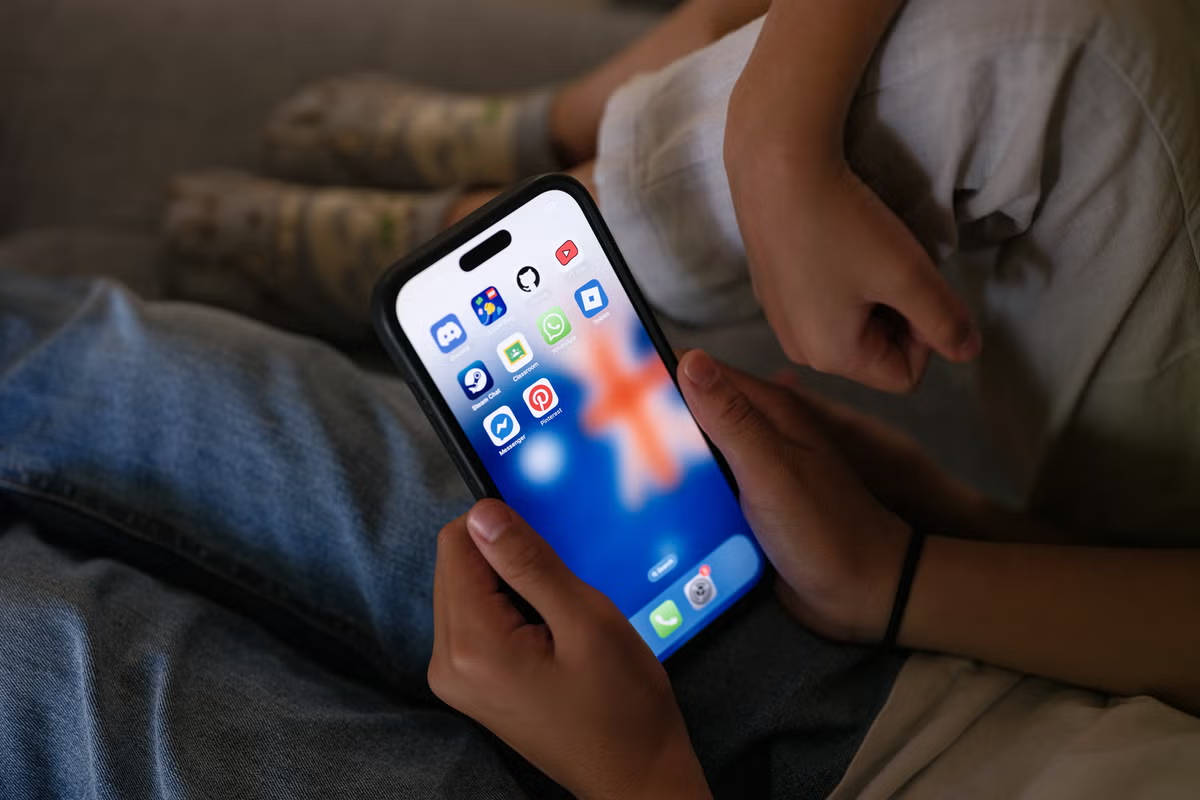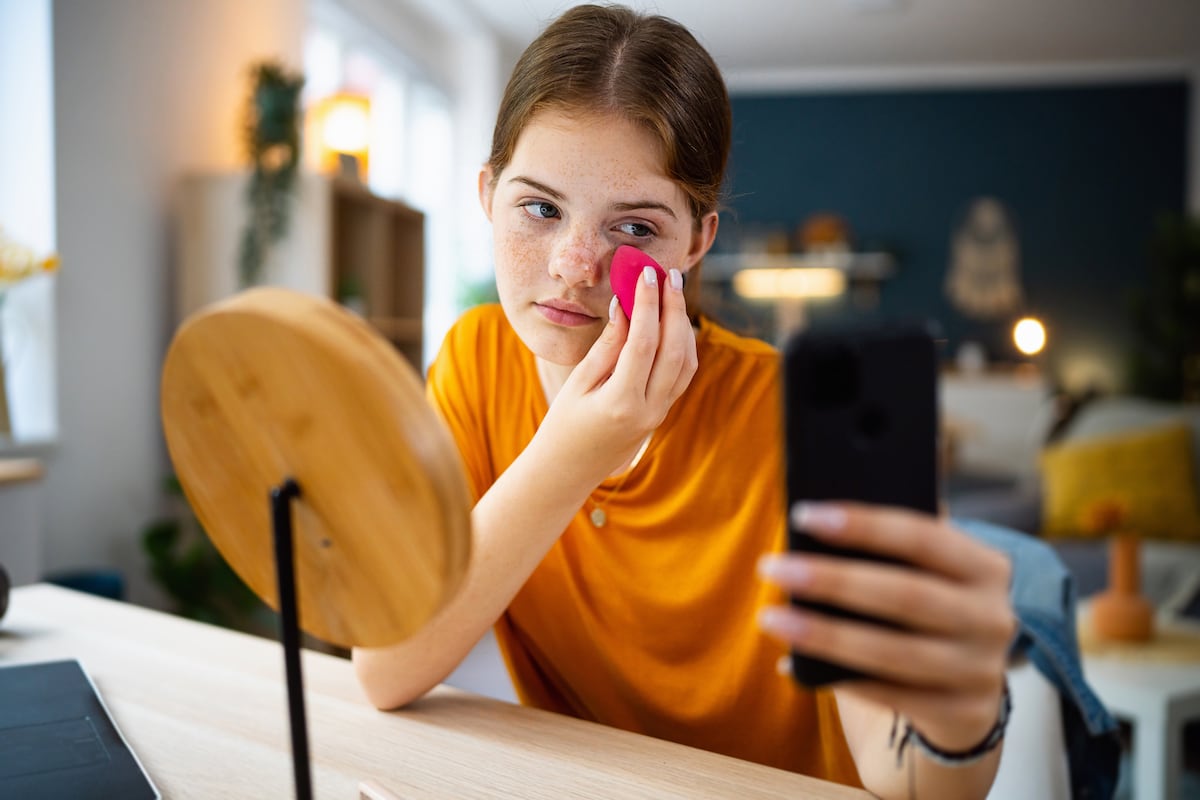
As teenagers grapple with identity and peer relationships online, the importance of teaching media literacy and healthy social media habits has never been more crucial
Social media is pervasive in the lives of adults and adolescents alike: beyond simply being communication and image-sharing platforms, the likes of Instagram, YouTube and Facebook have become sources of news, information and entertainment, and are so integrated into daily life that they can be hard to disengage from.
A US-based study from 2016 revealed how the addictive use of social media platforms and video games correlated with mental health disorders, and technology since has only further developed dopamine-inducing algorithms, gamified elements and endless scrolling.
The 2022 report “Hong Kong Kids Online” from Save the Children showed that 93 per cent of secondary school students have their own profile on a social media or a gaming platform, one in five had experienced cyberbullying in the last year, and four in 10 have had at least one unwanted online exposure to sexual content.
With the introduction to digital tools and technology like smartphones, smartwatches and tablets happening ever-earlier, young people’s emotional, social and behavioural development is at risk – but is social media a danger they should be totally shielded from, or can we hack the system?