JEDDAH: A dry wind carries the first sign: a curl of frankincense smoke, sharp and sweet, drifting over the desert flats. It seeps through windows, clings to clothes, lingers on skin. Najran once sat at the center of the incense trade, and the scent still clings to its streets like a memory too deep to wash away.
For the latest updates, follow us on Instagram @arabnews.lifestyle
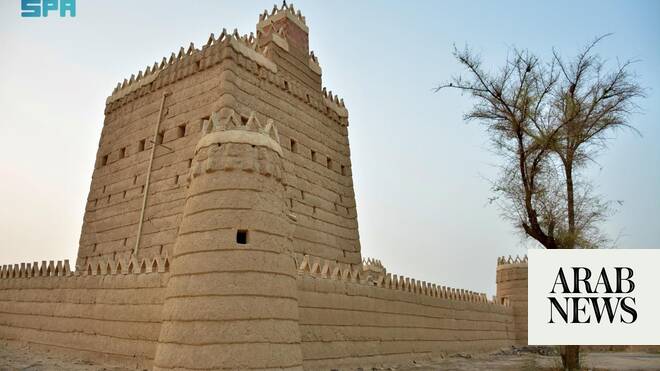
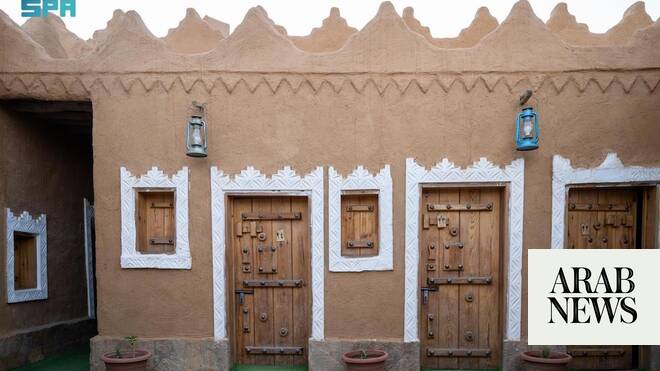
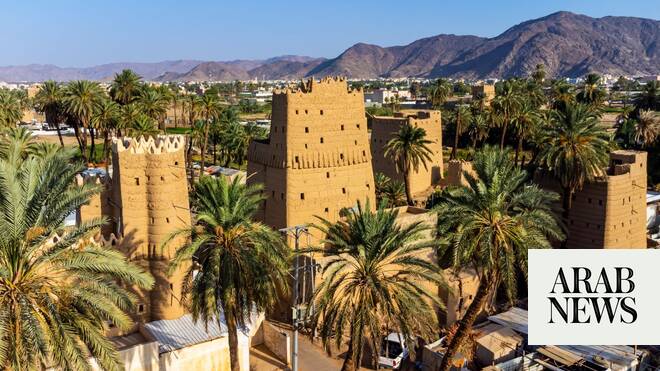
In Najran’s Old City, sun-drenched alleys wind between mud-brick towers etched with delicate patterns. The buildings lean into one another like elders sharing secrets, their thick walls cool to the touch, smelling faintly of clay and ash.
At the edge of town lies Al-Ukhdood — ancient ruins unfolding in silence, trenches cut through centuries, and soot-darkened stones bearing the scars of fire. There’s no ticket booth, no crowd, just wind brushing across fractured stone. This is where an infamous massacre once unfolded, a horror alluded to in the Qur’an. Now, goats graze nearby, and a boy scrolls through his phone against a wall that has seen empires rise and fall. Here, history doesn’t sleep, it hums softly beneath your feet.
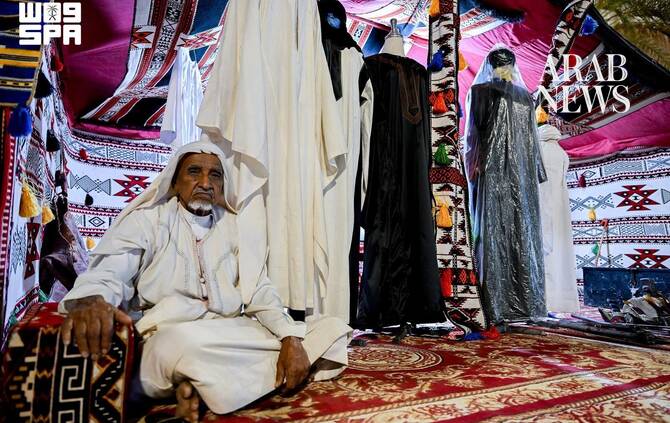
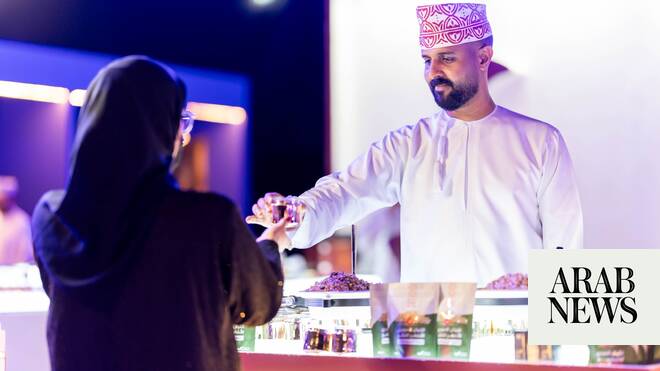
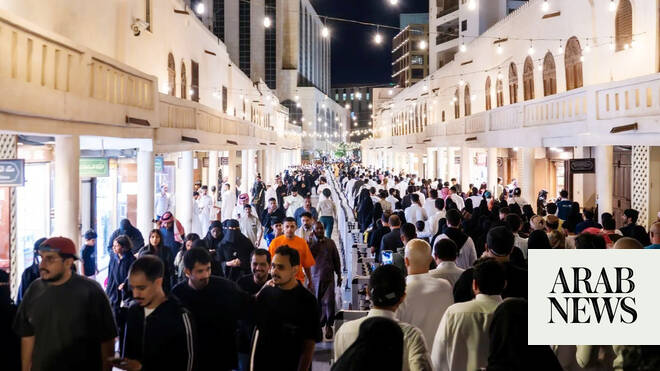
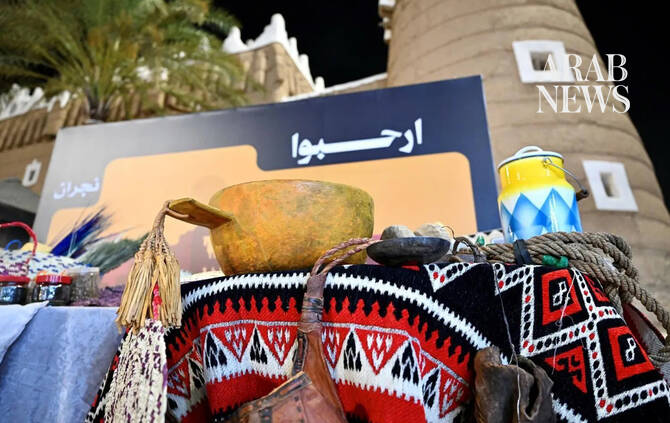
Further into town, the Thursday Market erupts like a drumbeat. The solemnity of the past gives way to present-day vibrance. Silver jambiya daggers flash from stalls, sticky dates glisten under the sun, and fabric bolts in electric blues and deep saffron flutter in the breeze. A vendor hands you a tiny ceramic cup filled with qishr (ginger coffee), fiery and fragrant. Its scent coils in your nose, the first sip stings your tongue, and a strange warmth begins to gather in your chest — a jolt from another time.