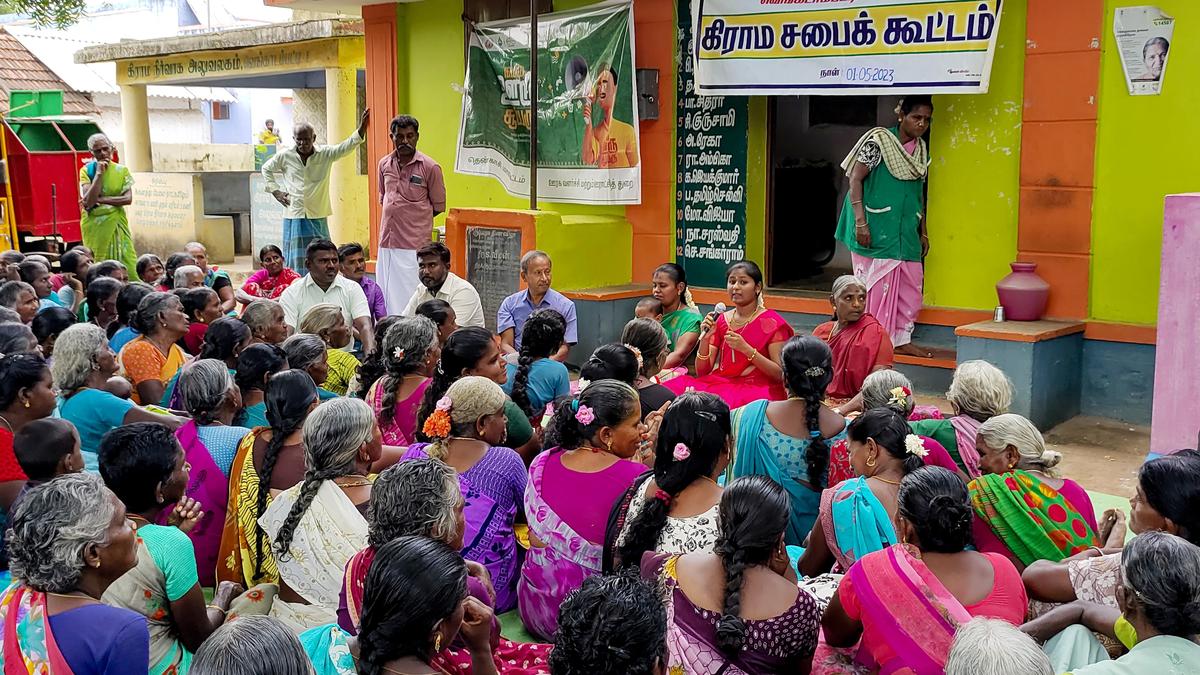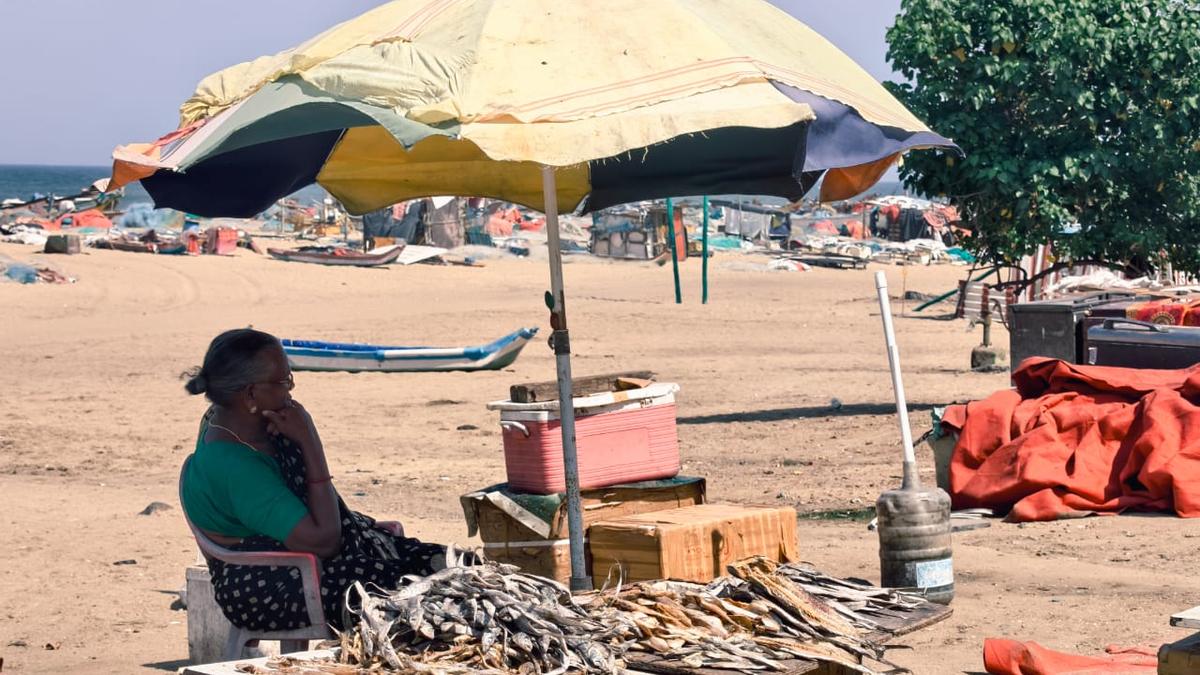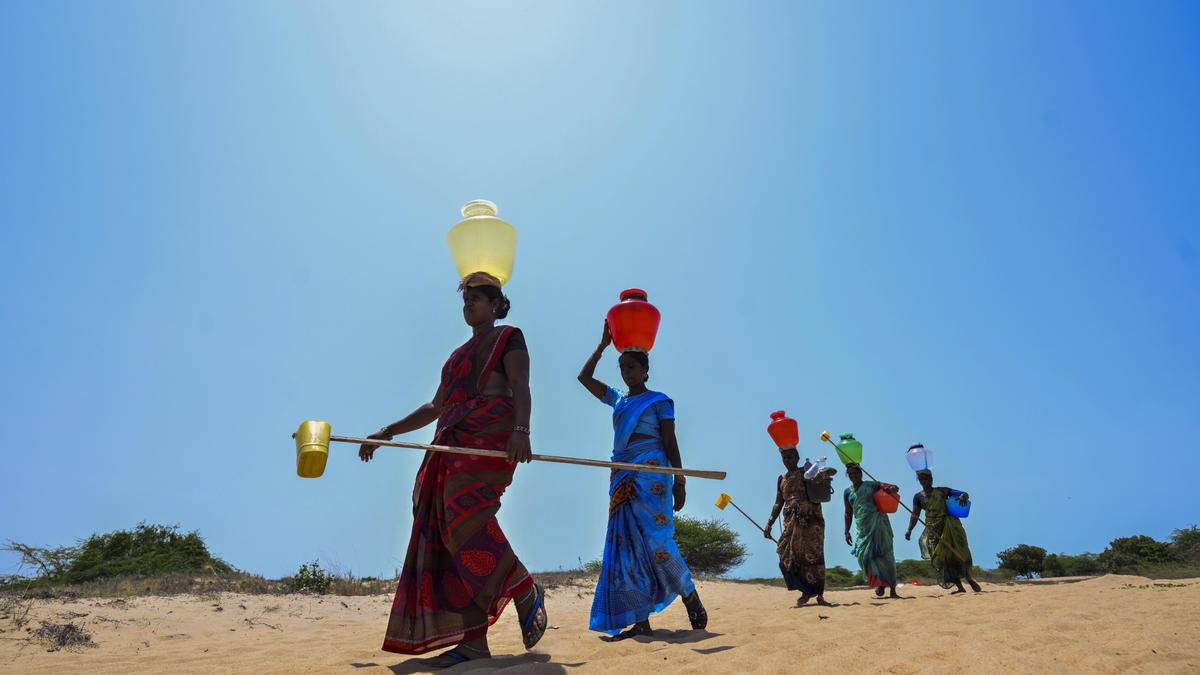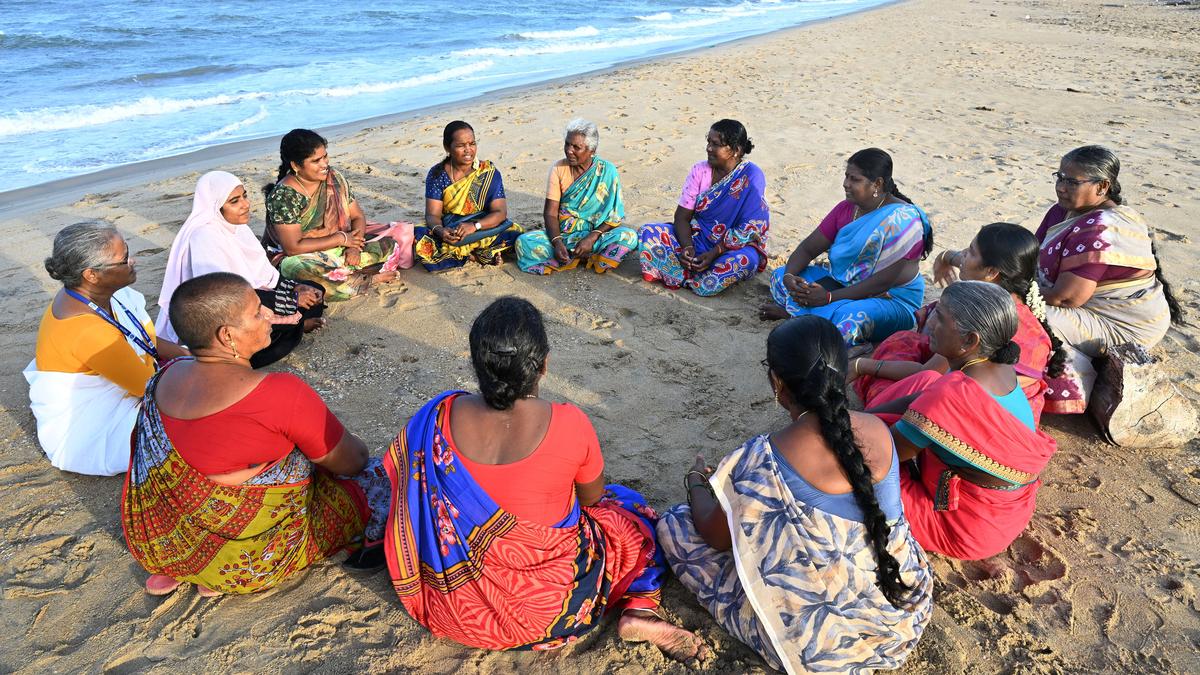
In the contiguous coastal hamlets of Tamil Nadu’s Mayiladuthurai and Nagapattinam districts and Puducherry’s Karaikal district, a quiet but resolute change is taking place with women finding their feet, even amid the patriarchal ‘panchayatar’ system that makes decisions in fishing communities. For generations, public decision-making in these communities was controlled by men under the deeply entrenched ‘panchayatar’ system, a structure unique to coastal fishing villages. Each week, male elders from different sections convene ‘oor kootams’ (village assemblies) that rule on issues ranging from domestic disputes to political matters. Though they are supposed to be open to all, these meetings have long excluded women. Their presence was considered inappropriate or even rebellious.
No woman has been appointed as a ‘panchayatar’ yet and the structure remains rigidly patriarchal. However, sustained organising at the grassroots — largely by women and backed by NGO Social Need Education and Human Awareness (SNEHA) — is paving the way for a change. Once sidelined, women’s collectives are recognised as serious stakeholders. Today, ‘panchayatars’ are increasingly compelled to consult them before taking major decisions.