New manager is not concerned by developing culture or blooding players for the future. He knows his job is to win
W
hen, in April 1965, a month shy of his 30th birthday, Jack Charlton was called up to play for England for the first time, he was baffled. In characteristically blunt fashion he asked Alf Ramsey why on earth he had picked him. “I have a pattern of play in mind,” Ramsey replied. “And I pick the best players to fit the pattern. I don’t necessarily always pick the best players.” Or at least that is the printable version of their conversation that has been left to history. “You’re a good tackler and you’re good in the air, and I need those things,” Ramsey continued. “And I know you don’t trust Bobby Moore.”
There is a fallacy that the winning of major tournaments is about having the best players. It is not; it is, as Ramsey understood, about picking the right players in the right configuration – even if that means leaving out players who have played very well for you, as he did with Peter Thompson, or leaving the goalscoring darling of the media on the sidelines, as he did with Jimmy Greaves.
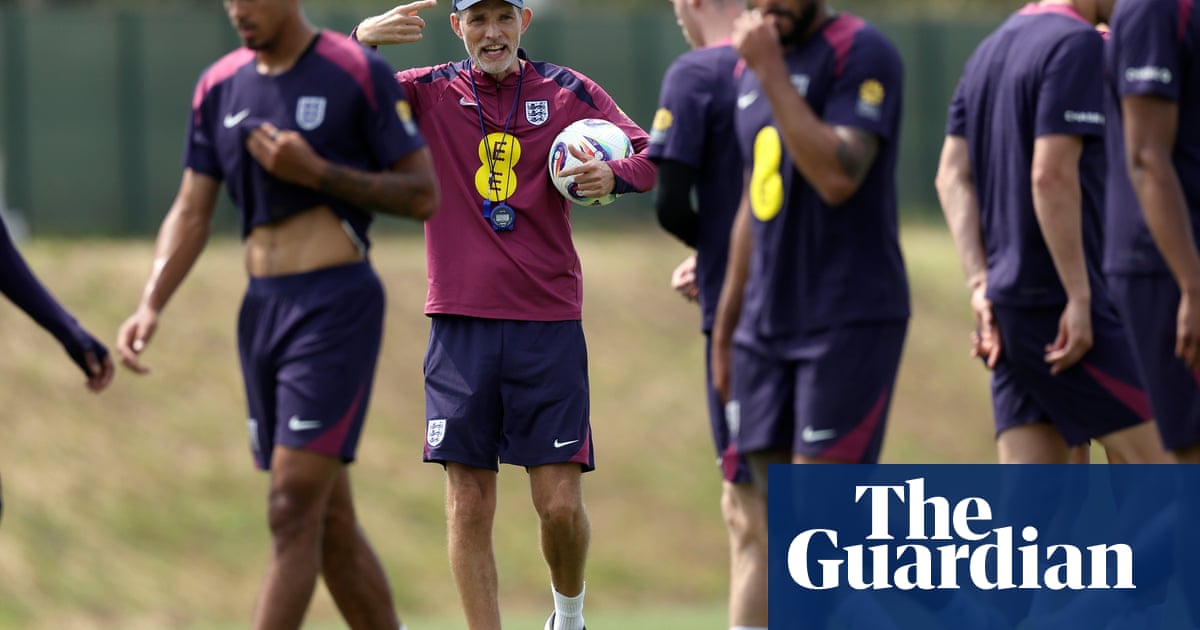
England now are in a position not unlike that in which they found themselves in 1965. They have a year remaining before a World Cup for which they will be one of the favourites, and they have a manager who has made clear he is not concerned by such nebulous concepts as developing the culture or blooding players to be ready three or four tournaments down the line. Thomas Tuchel, no less than Ramsey, knows his job is to win.