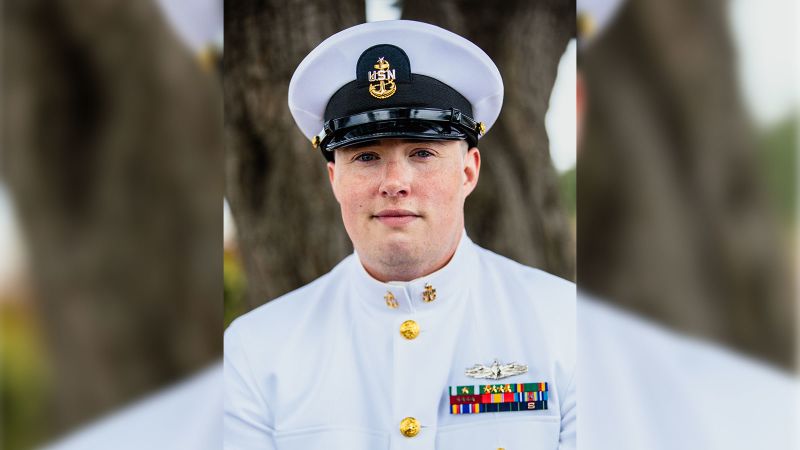
Sailor Benjamin Kibler was overcome with pride when he was selected for the competitive position of Limited Duty Officer, a class of personnel the US Navy describes as “valuable individuals” who are among the “most fully qualified” talent the branch has to offer.
Kibler and his wife celebrated the February 24 announcement as an exciting turning point in his career. As they prepared to relocate to Japan as part of his ship’s new deployment, his wife quit her job and the couple sold their truck, downsized their apartment and got rid of many of their belongings.
Within two days it had all fallen apart.
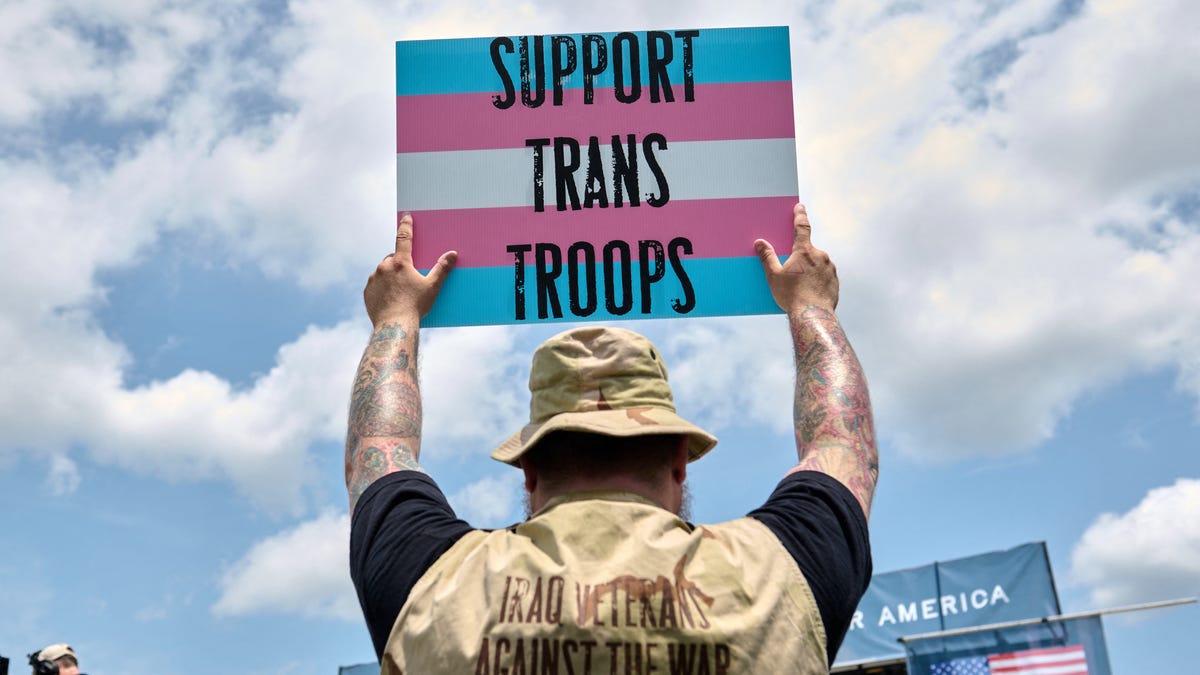
Kibler is among thousands of transgender and nonbinary service members affected by a February 26 memo from the Defense Department that announced military personnel with a diagnosis of gender dysphoria would be discharged from service.
The Trump administration has argued that trans service members’ “false ‘gender identity’” conflicts with the armed forces’ standards of integrity and their service negatively impacts the military’s lethality, readiness and cohesion. But trans service members have been baffled by the characterization and say it does not reflect their years of service and deployments across the globe.