There was no way around it: Charlie Fisher was addicted to his smartphone. He scrolled on TikTok and Instagram first thing in the morning, picked it up to answer text messages between classes and relied on it as a crutch in social settings. It was a “never ending pattern.”
“It just basically created this pattern where I was anxious, and so I'd open my smartphone, and then I would hate myself for opening my smartphone, which made me more anxious,” Fisher says.
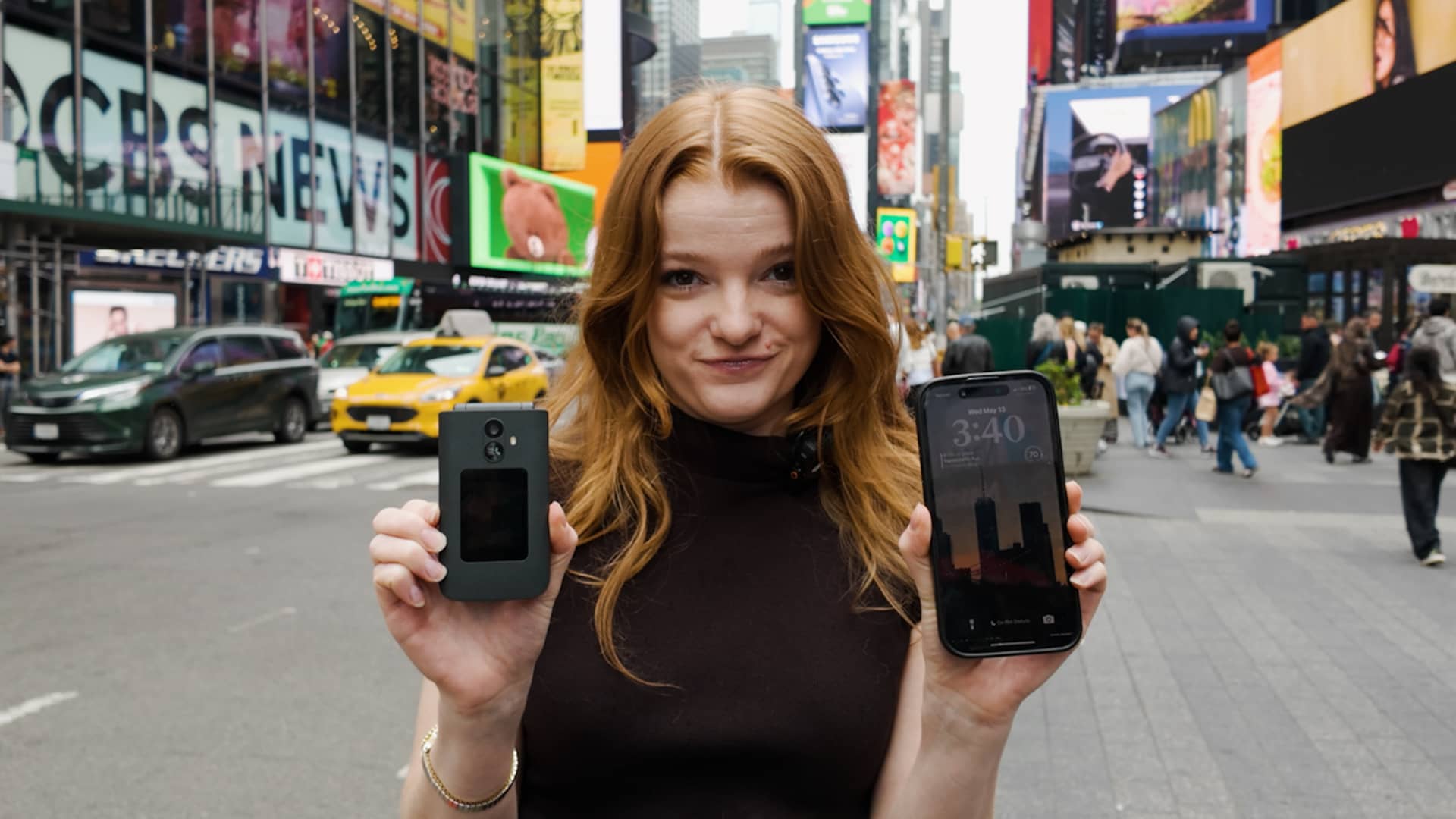
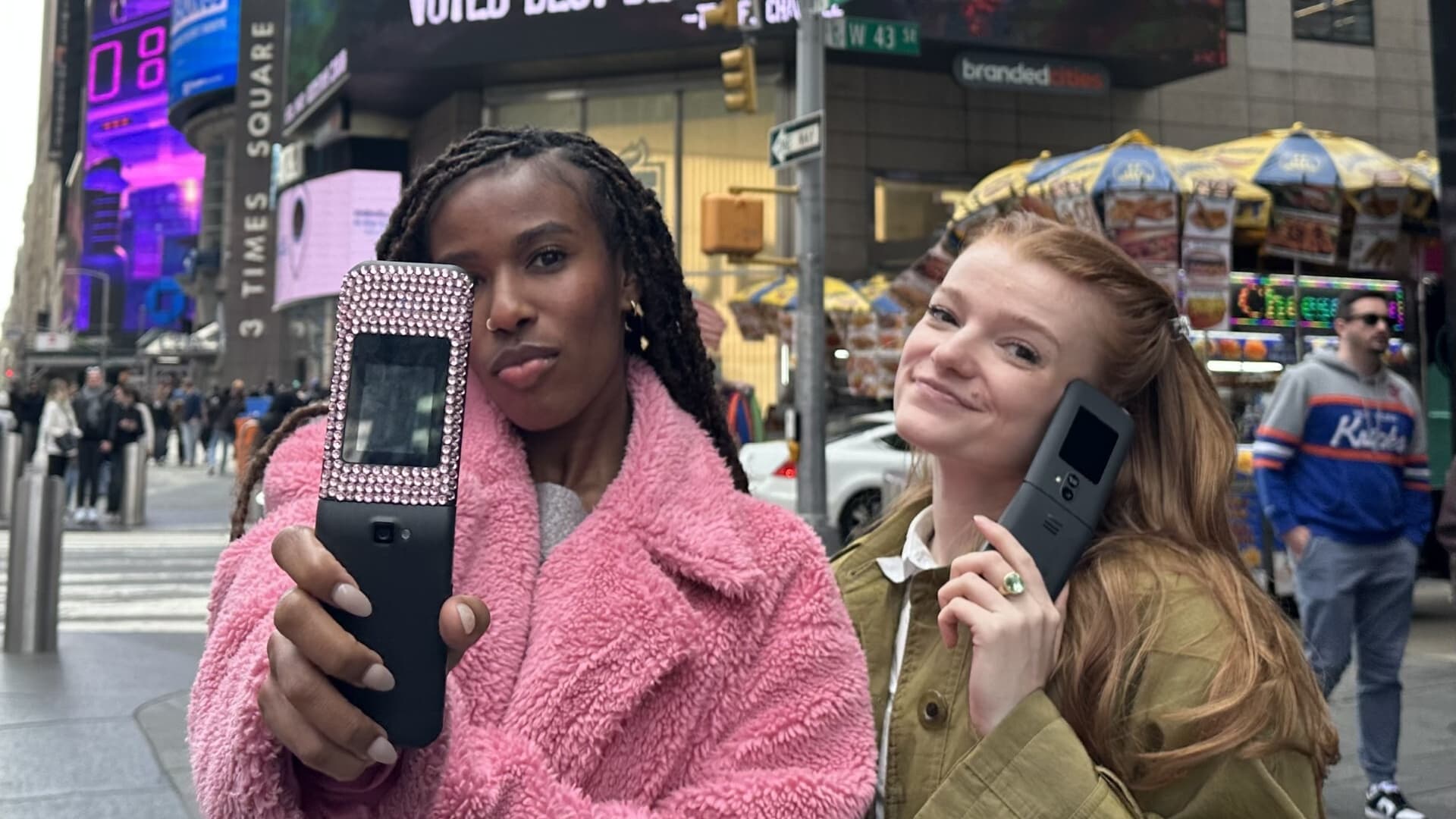
If you told him a few years ago that he wouldn’t be living with a smartphone, he would’ve been shocked, but the 20-year-old says his life is better because of it. He’s part of a movement of college students who are trading in their smartphones for what’s now considered trendy hardware: flip phones.
Fisher grew up playing with basketballs and nerf guns around his cul-de-sac with a group of neighborhood kids. But when they all downloaded Snapchat, it changed the way they interacted — they no longer had to knock on each other’s doors to ask to play and hangouts started to involve screens.
By the time he entered high school, everyone in his classroom had a phone.