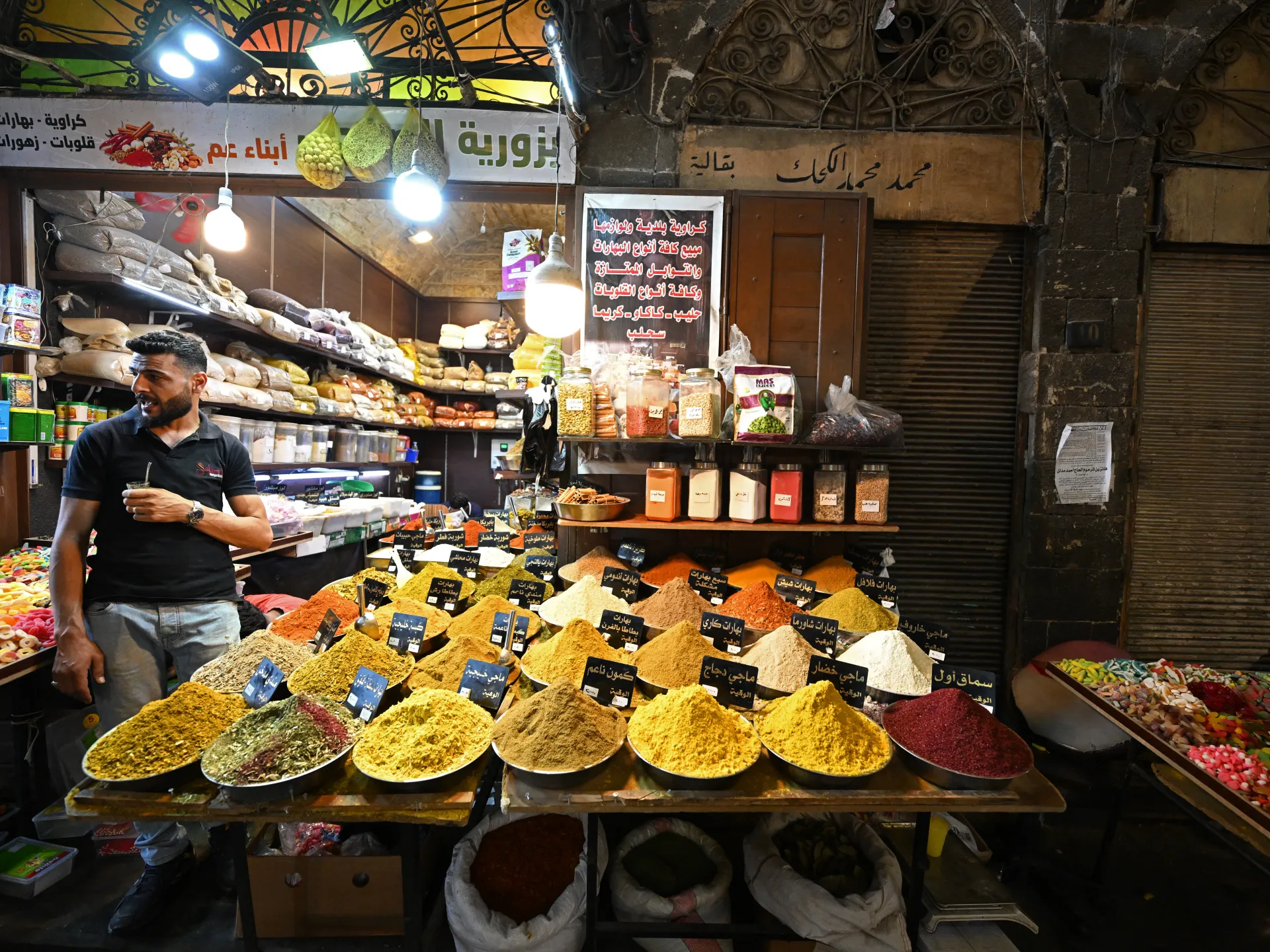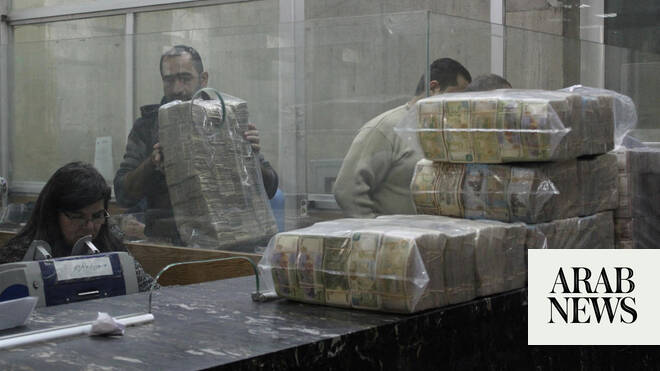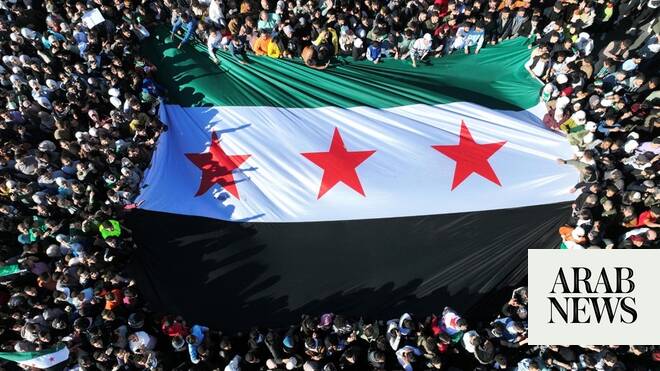
LONDON: Like a relic from another era, its promise long faded, the Syrian pound still lingers in the wallets of shopkeepers and shoppers in Damascus. Yet, green shoots of hope are sprouting across the war-weary nation.
That rekindled sense of optimism owes much to US President Donald Trump’s pledge to ease sanctions and signs of regional support for Syria’s economic recovery.
A major boost came on May 31, when Saudi Arabia and Qatar announced they would jointly fund salary support for Syrian state employees, many of whom have struggled for years on paltry and irregular wages.
The pledge builds on earlier Gulf efforts to stabilize Syria’s economy and signals a deeper commitment to reconstruction. On May 12, Saudi Arabia and Qatar settled Syria’s $15.5 million in arrears to the World Bank’s International Development Association — a key step that reopened access to loans and grants.
The international backing comes at a crucial moment. After 14 years of war and isolation, Syria’s economy has nearly collapsed. Exports have dried up, foreign reserves have fallen to just $200 million, the currency has lost 99 percent of its value, and more than 90 percent of Syrians live below the poverty line.