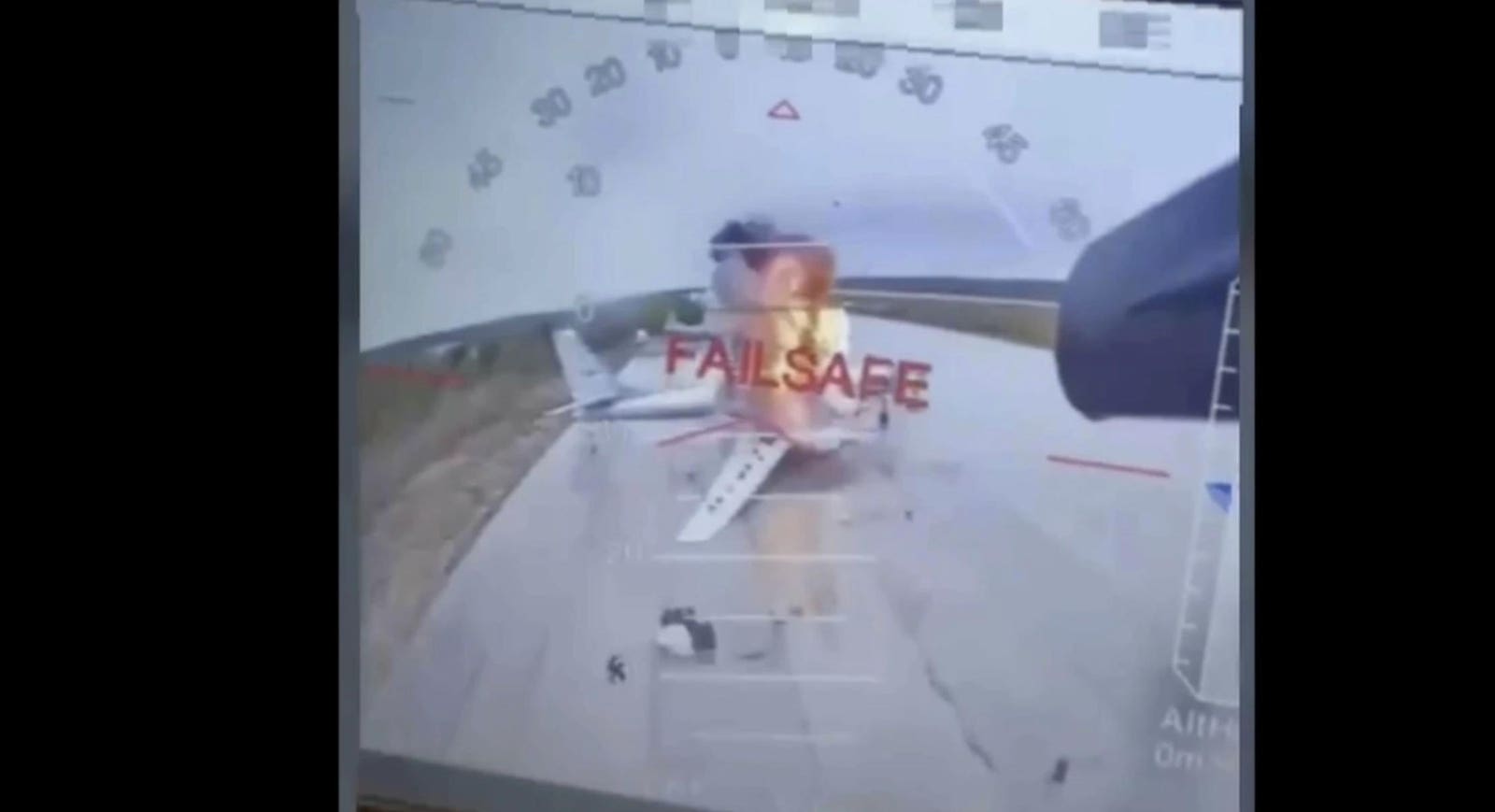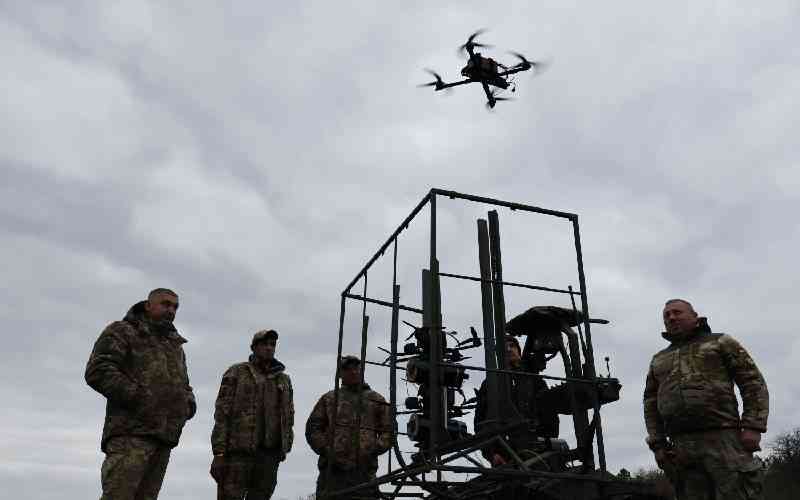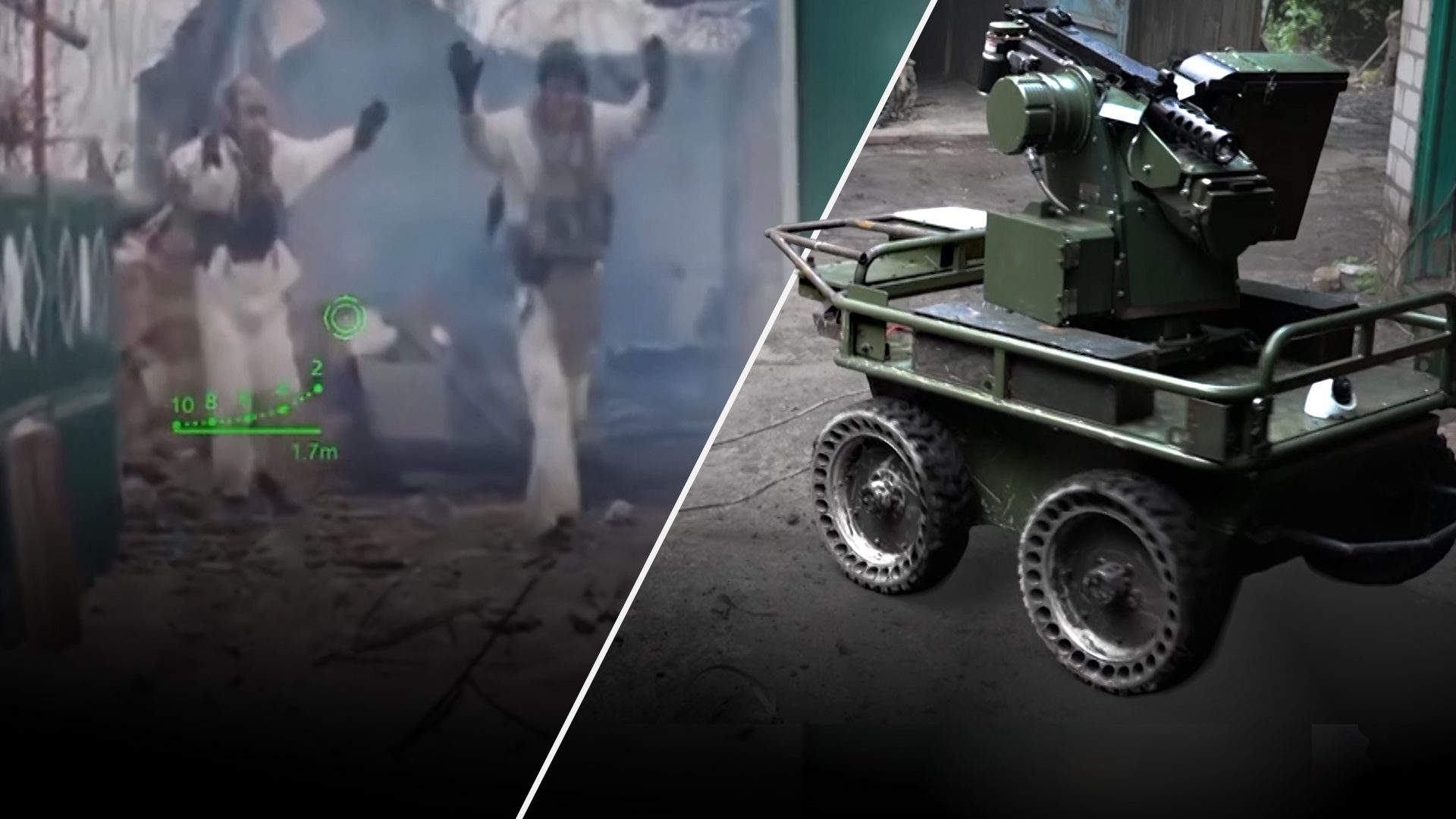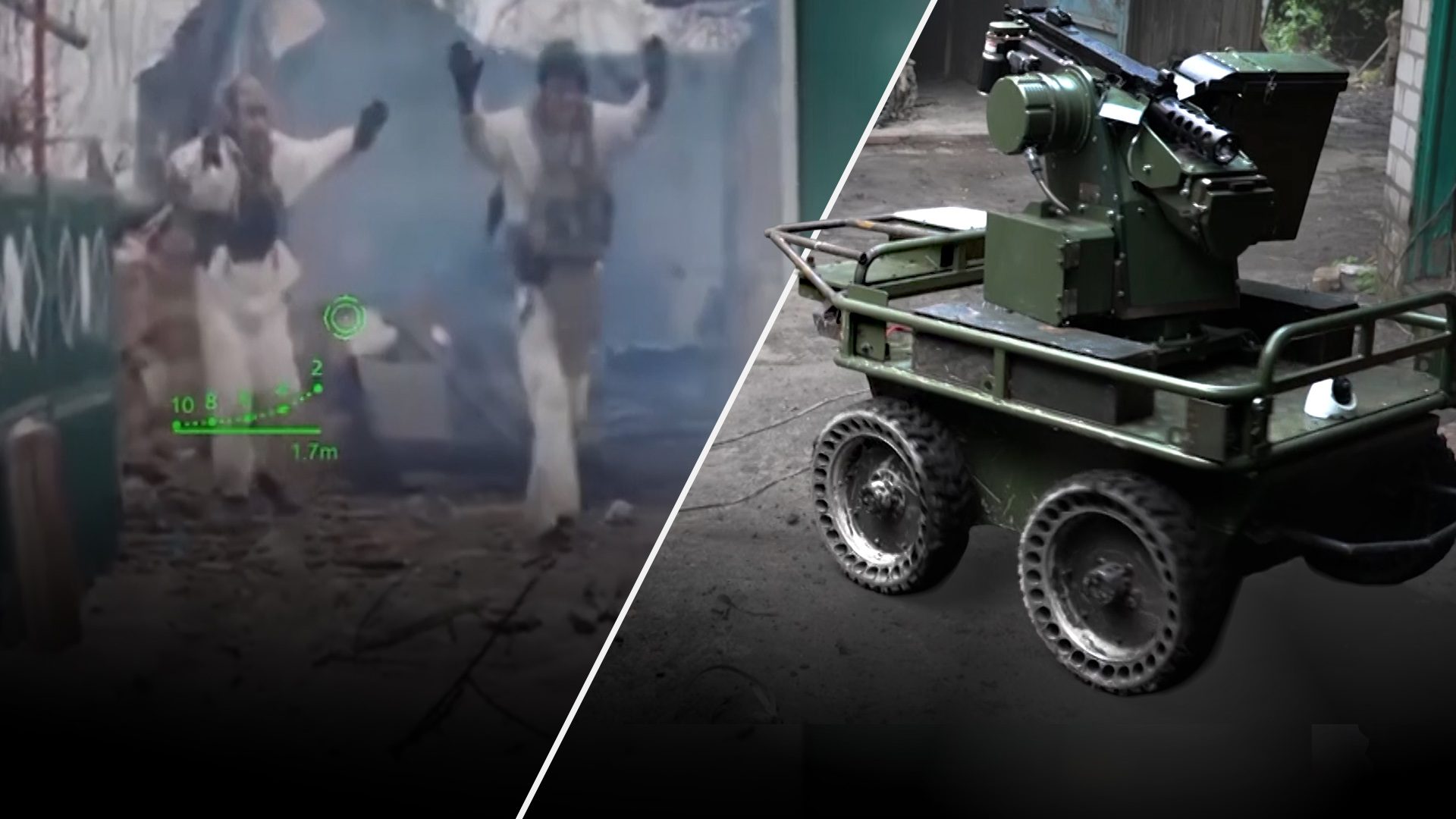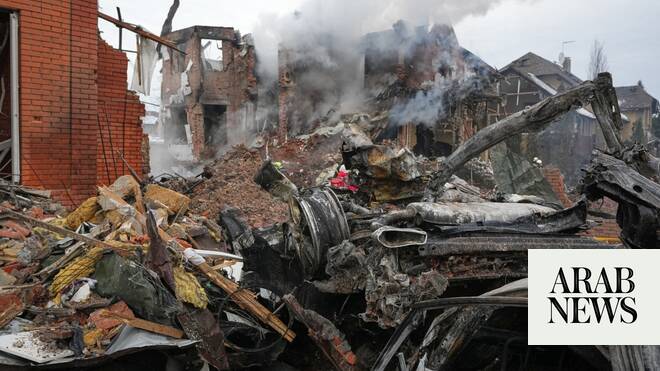
Ukraine’s recent drone attack on Russia shows how potent weaponised drones can be, both on and off the battlefield.
Africa is experiencing a rapidly expanding drone environment in terms of localised manufacturing, deployment and use, bringing a complex array of players and proxies. In combat, drones provide not only intelligence and lethal force, but can enable non-state armed groups to disseminate propaganda at scale and speed.
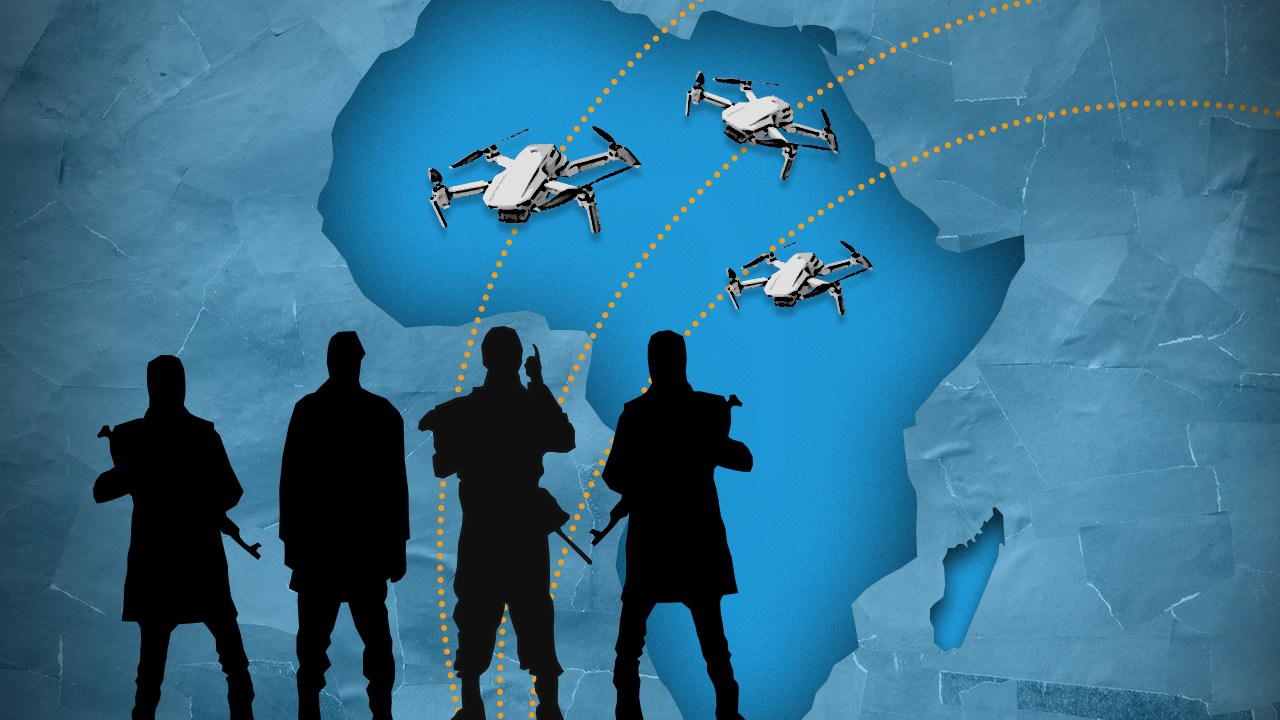
To date, about nine armed groups in Africa have acquired military-grade drones – in Burkina Faso, the Democratic Republic of the Congo (DRC), Kenya, Libya, Mali, Mozambique, Nigeria, Somalia and Sudan. That suggests that the prospect of using drones for multiple tasks is expanding.
Scholars argue that violent non-state actors “use drones for propaganda generation, both to advertise their newfound aerial capabilities and their effects and to publish striking cinematography of other operational successes”.
Africa should take note of how new technologies enable threat actors to project power in the air and on the ground. The affordability of drones and the transfer of know-how between armed groups and their affiliates, make the prospect of drones being integrated into their arsenals increasingly likely. These groups, including Islamic State, were considered early adopters of drone technology in the Middle East.