Africa’s coolest pest control agents have fangs, no overheads and a killer instinct.
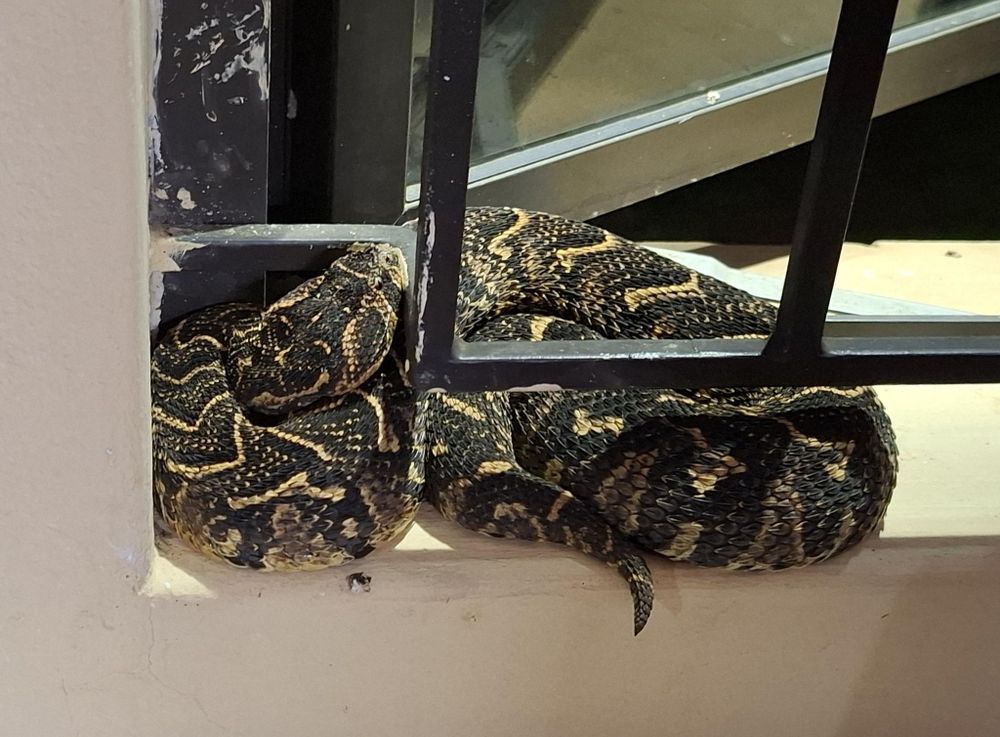
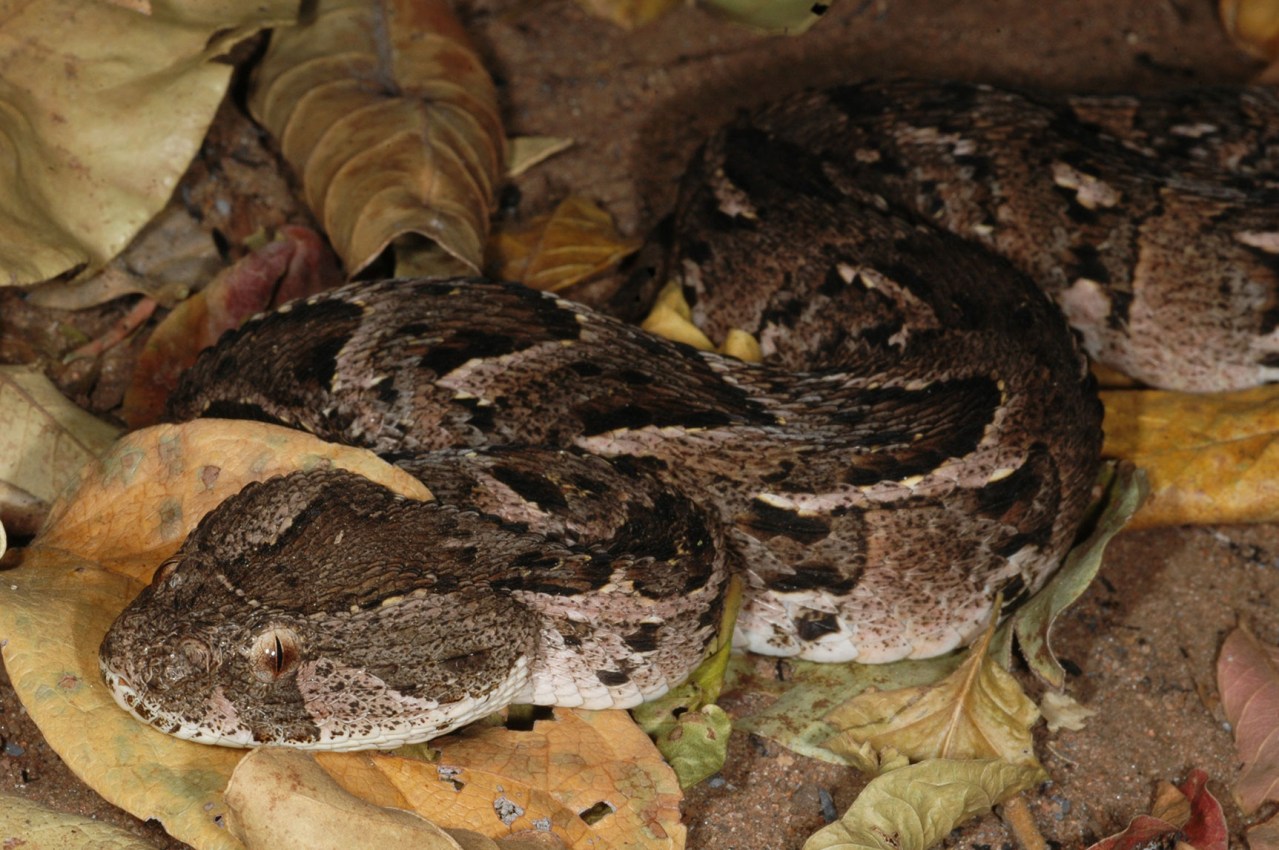
Enter the puff adder (Bitis arietans) — nature’s unassuming, cold-blooded rodent regulator. A new study by Professor Graham Alexander at the University of the Witwatersrand has revealed just how spectacularly efficient these snakes are, offering compelling evidence that they might be the farmers’ unsung ally.
They’re often cast as villains, coiled and hissing in the corners of bushveld myths, but puff adders are ecological rockstars with a lazy flair for lethal efficiency. Unlike mammals who must eat constantly to fuel their furnace-like bodies, puff adders can down tools — or fangs — and wait. For months. Even years.
In the largest-ever study of its kind, Alexander raised 18 puff adders over four years under tightly controlled conditions. The snakes, all born in captivity, were housed at Wits University and observed during a series of trials that measured their feeding, fasting and weight changes. What he discovered could change the way we think about snakes — and pest control.
“The key idea,” Alexander explains, “is something I called the ‘factorial scope of ingestion’. It’s a way of measuring how much more a predator can eat when food becomes abundant. No one’s used this in animals before — I made up the name.”