Notifications can be managed in browser preferences.
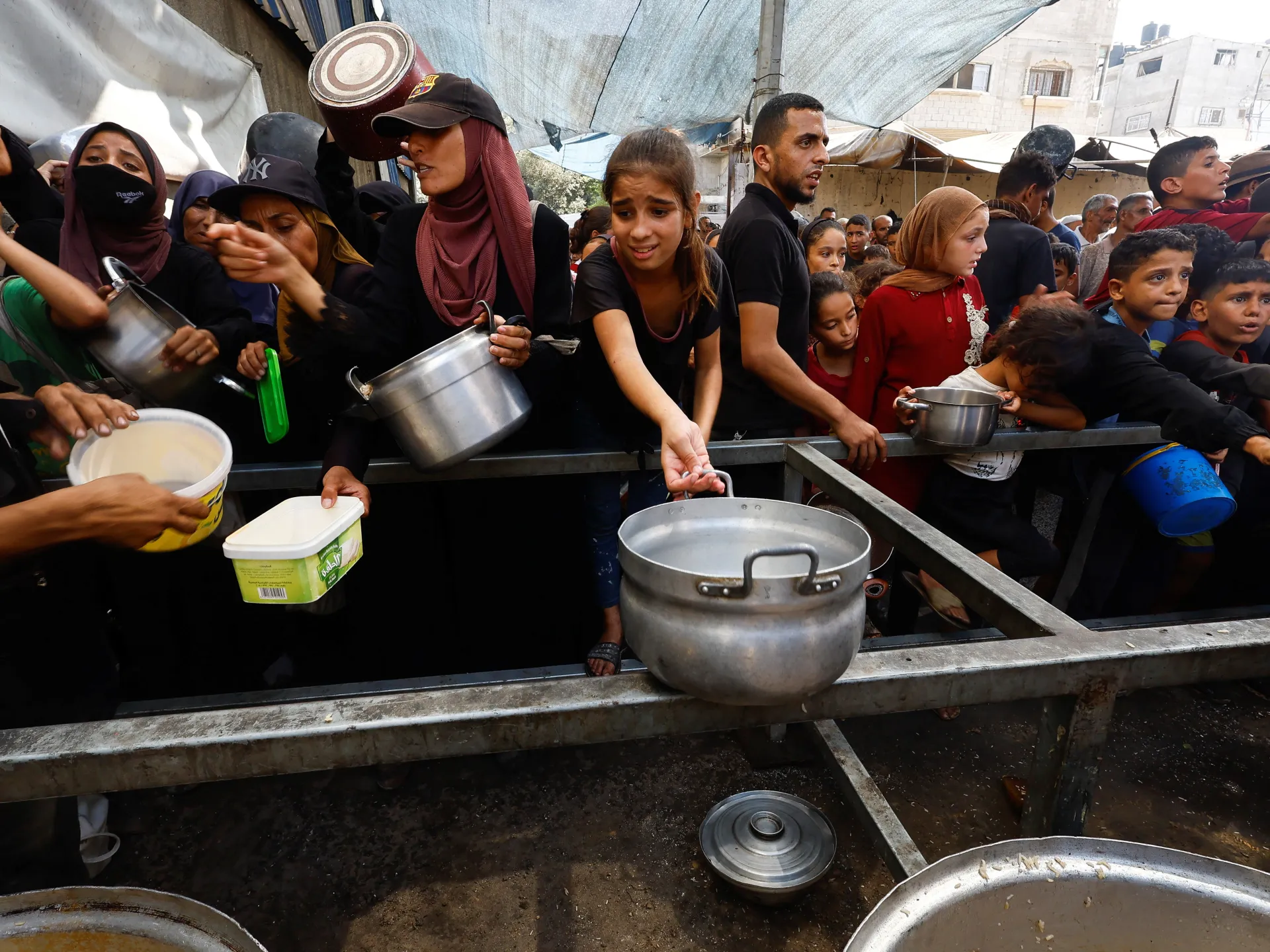
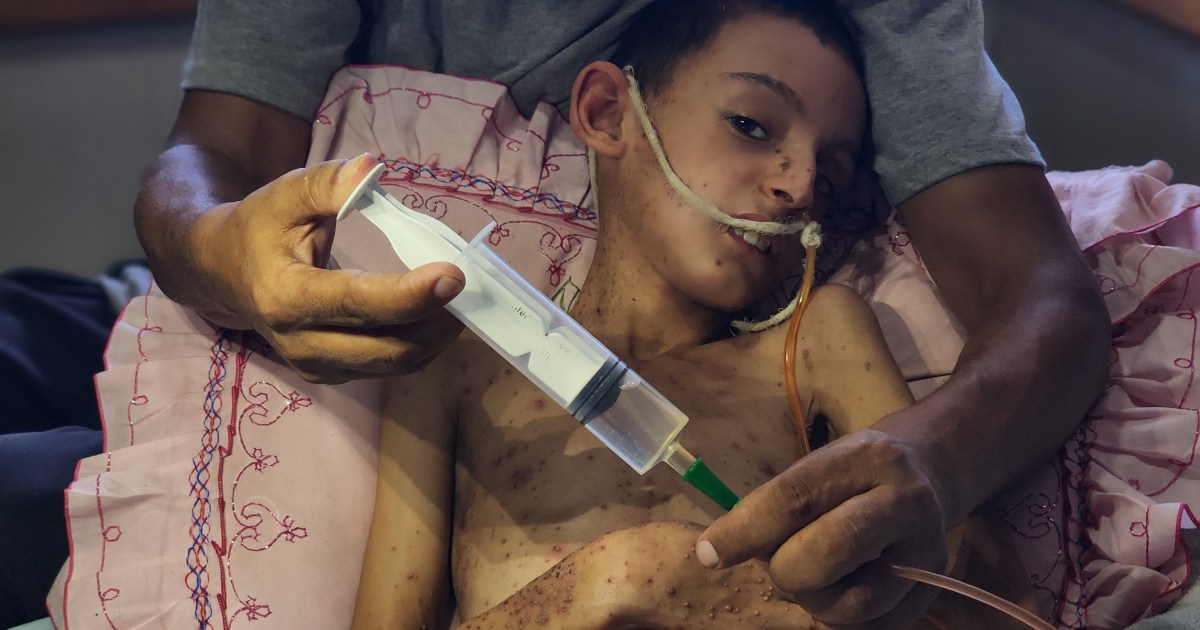
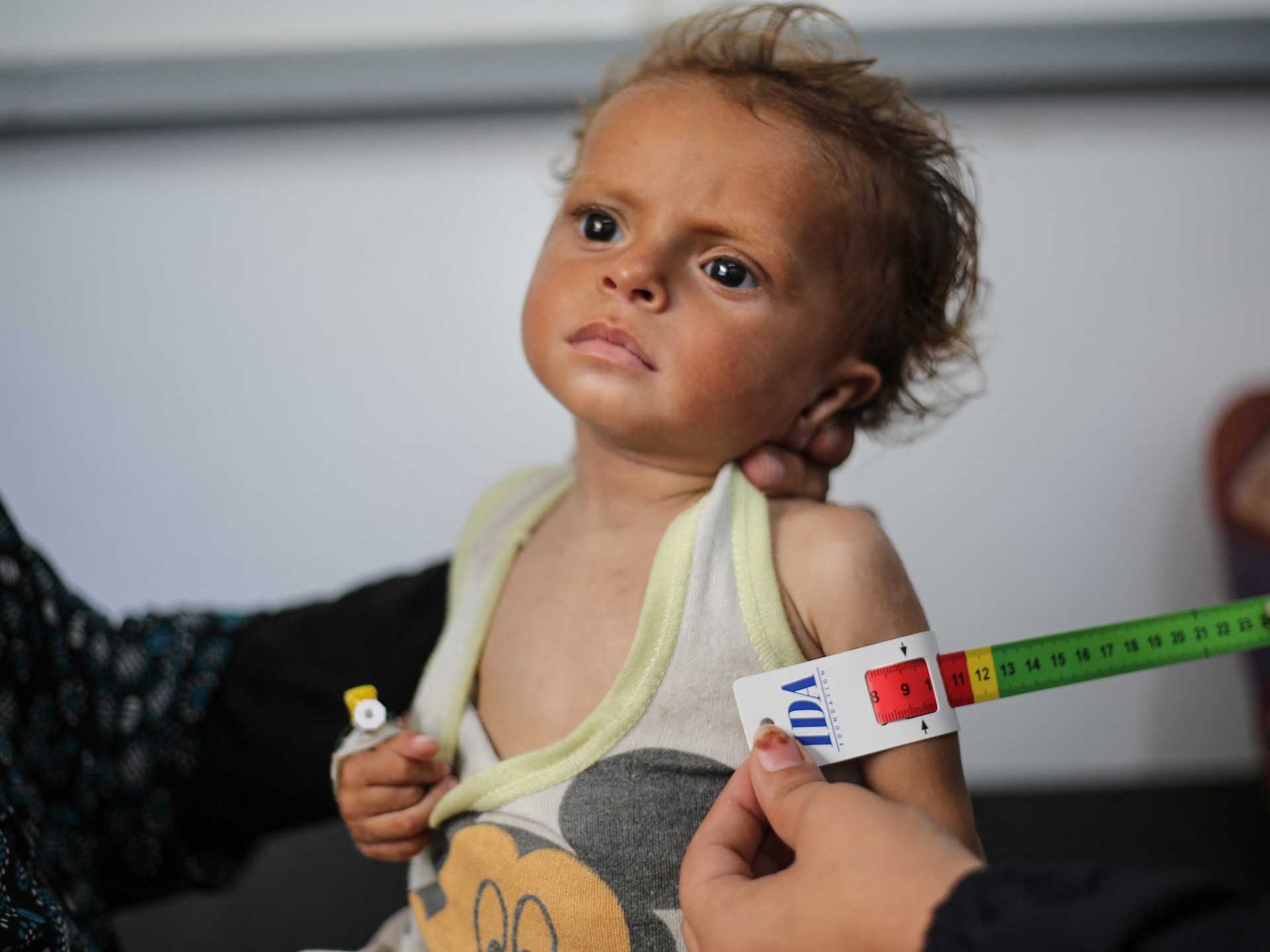
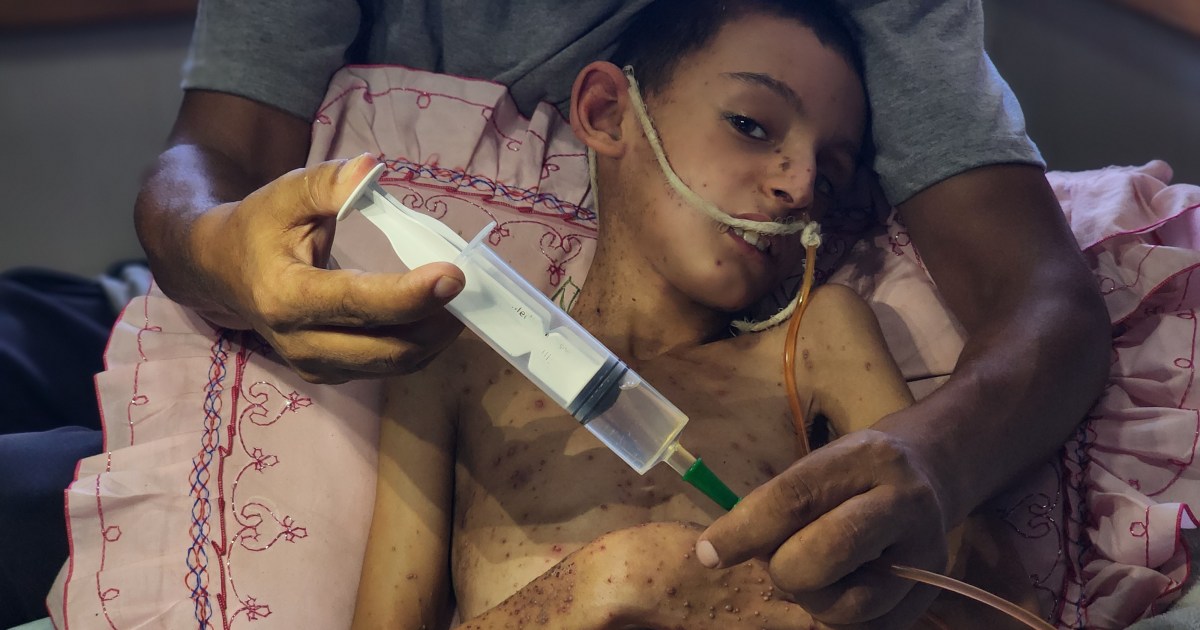
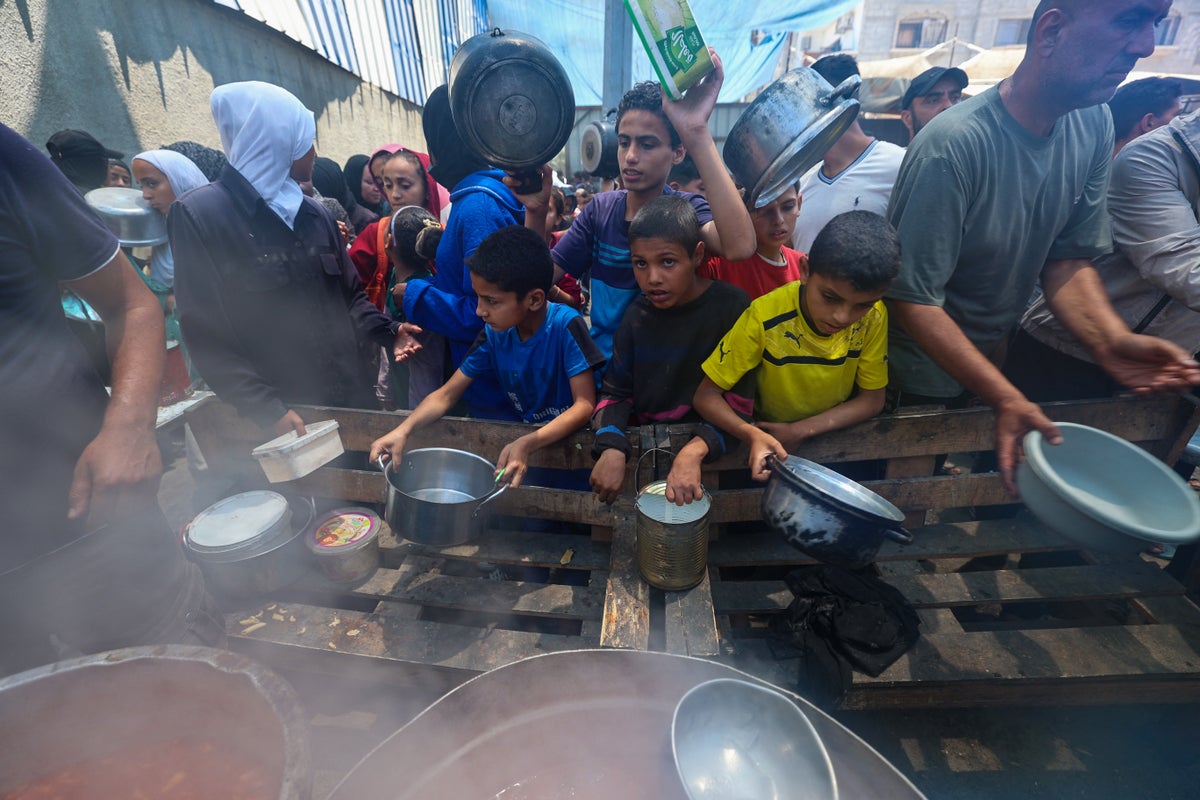
The UN has warned of catastrophic levels of food insecurity in Gaza, as well as declaring it the hungriest place on Earth. As millions of civilians are affected, Guy Walters looks at how hunger in conflict zones can kill more people than bombs or bullets ever do and how history will judge this period
T
here is perhaps no more primal weapon in war than hunger. Long before drones buzzed overhead and missiles lit up the night sky, armies resorted to siege and starvation to break their enemies. To restrict food does not just target soldiers, it also attacks the very foundations of civilian life – families, communities, children. And today, as the world watches the deepening crisis in Gaza, questions about the deliberate denial of food are again at the forefront.
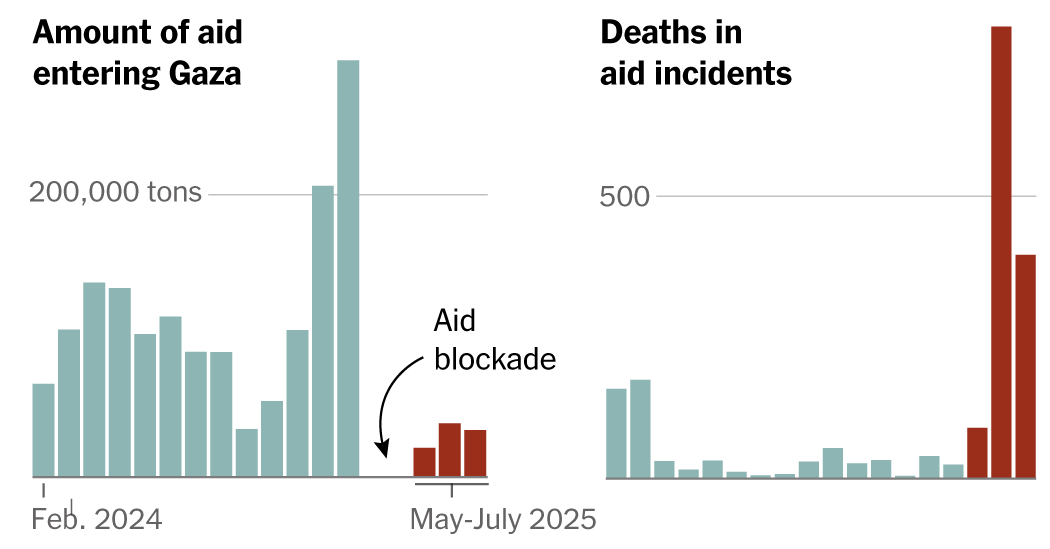
It is abundantly clear, even from the Israeli government’s own statements, that access to food and water has been sharply curtailed in Gaza as part of a wider military campaign. Since Hamas’s brutal attacks on 7 October 2023, Israel has responded with a military campaign that includes what then defence minister Yoav Gallant called a “complete siege … there will be no electricity, no food, no fuel, everything is closed”.