https://arab.news/wsvec
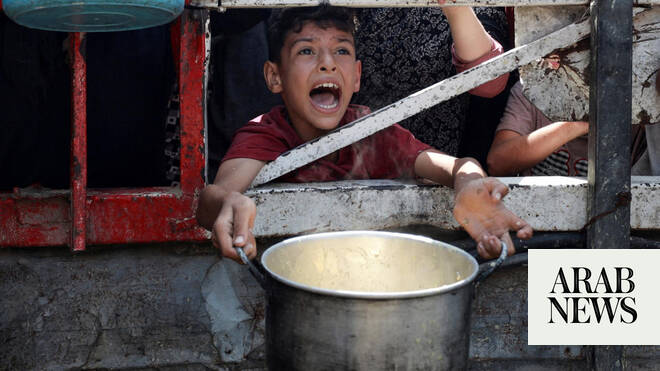
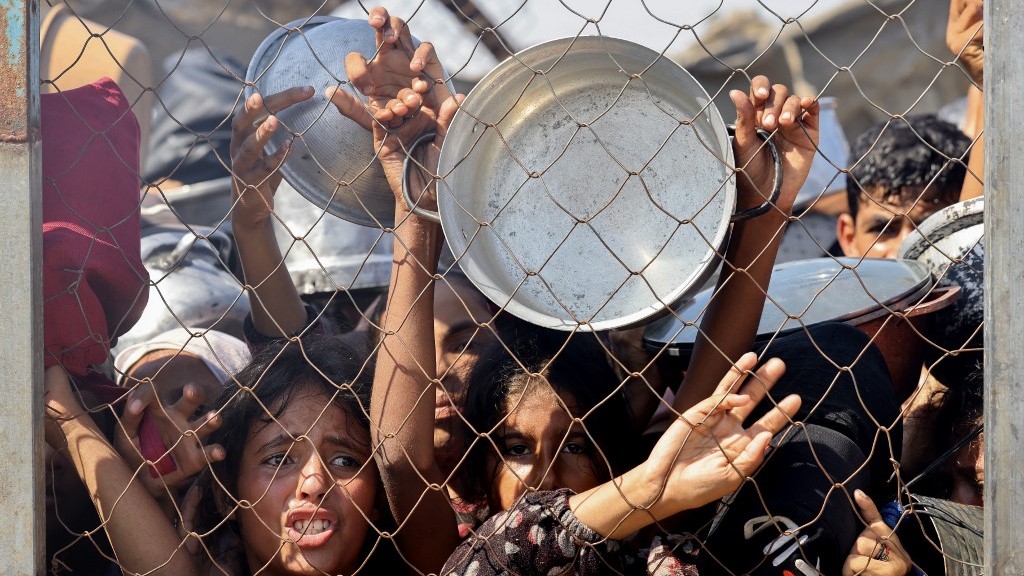
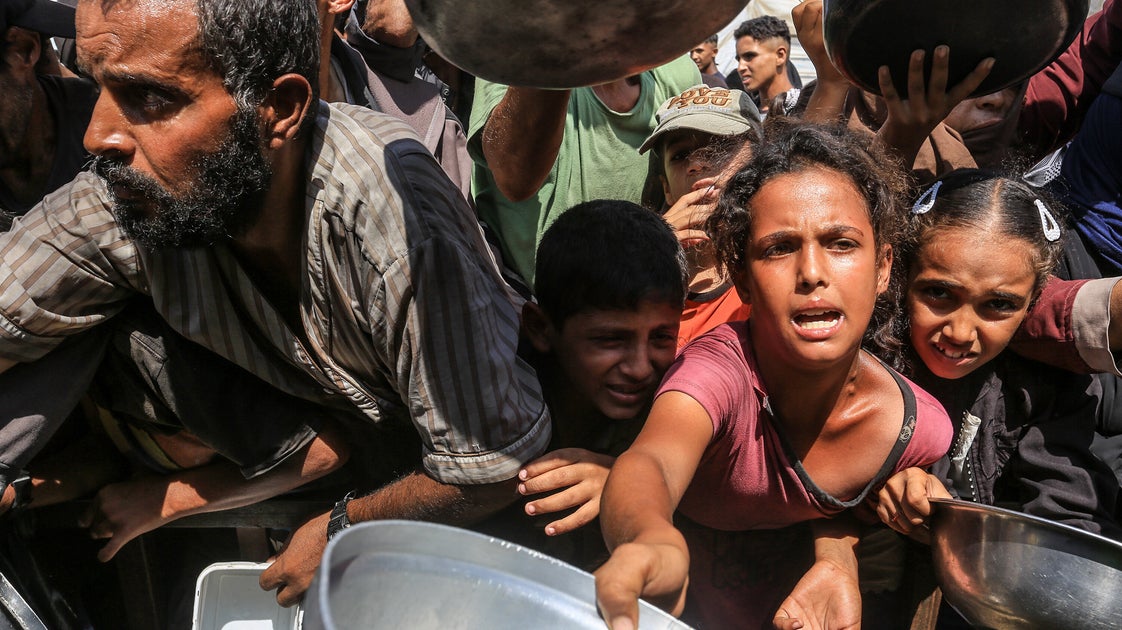
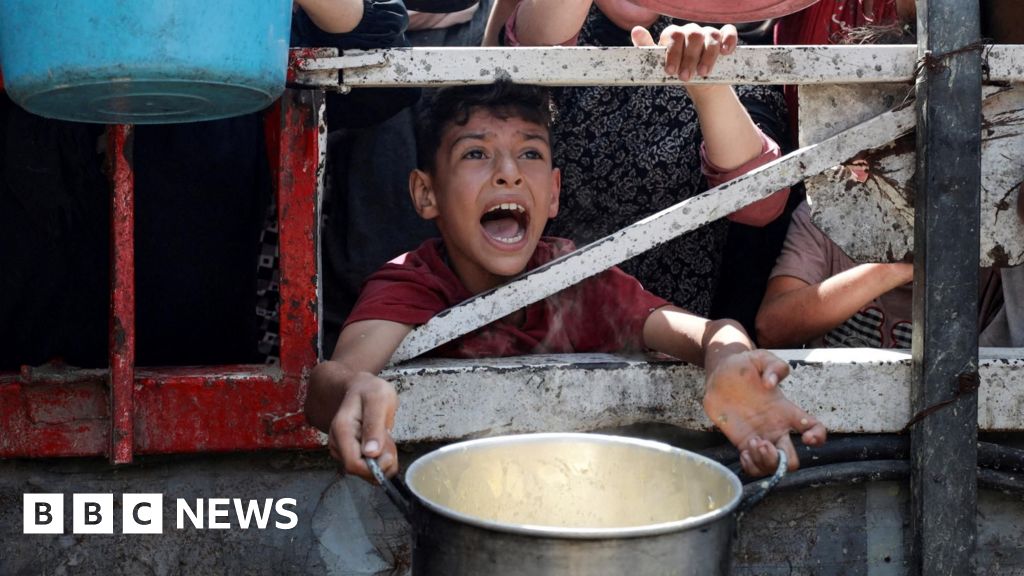
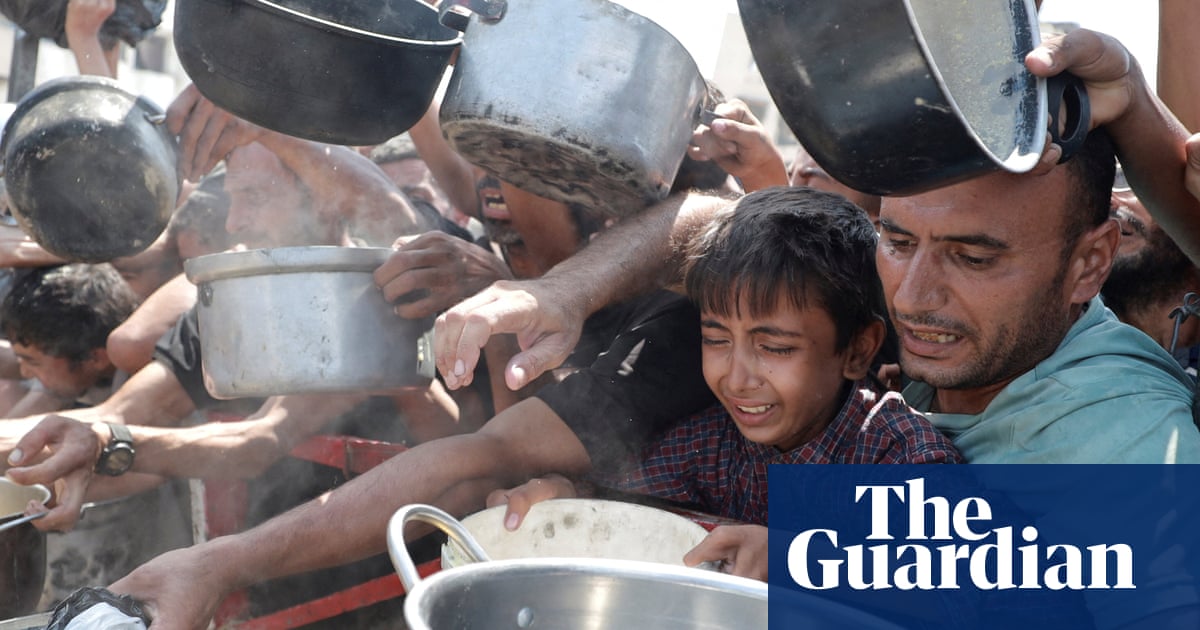
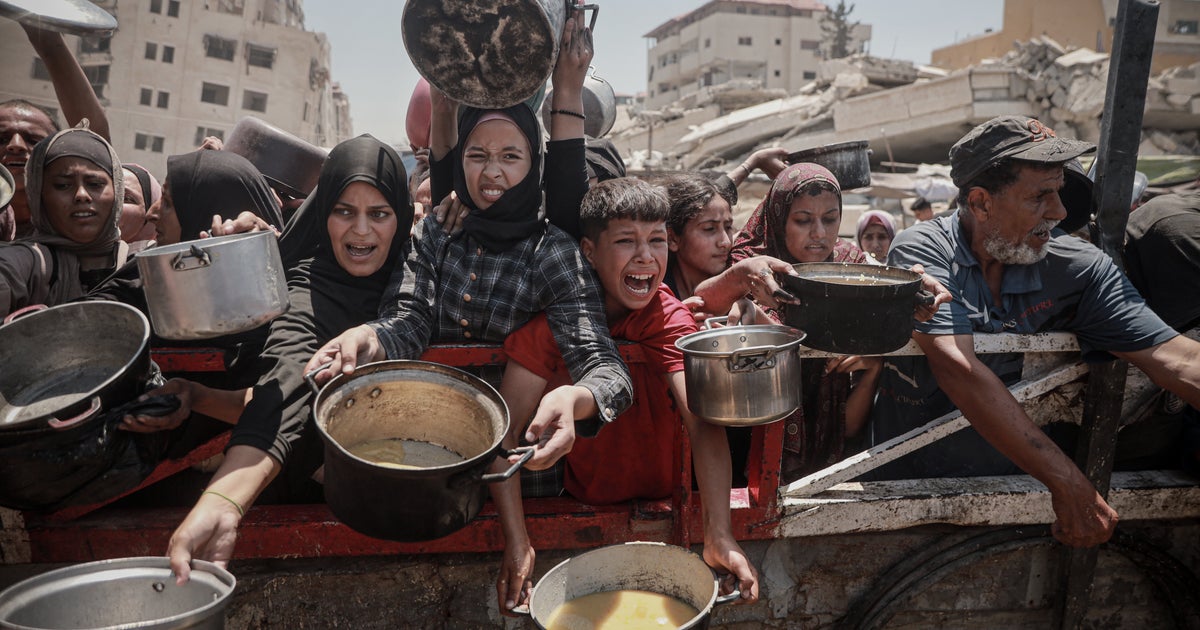
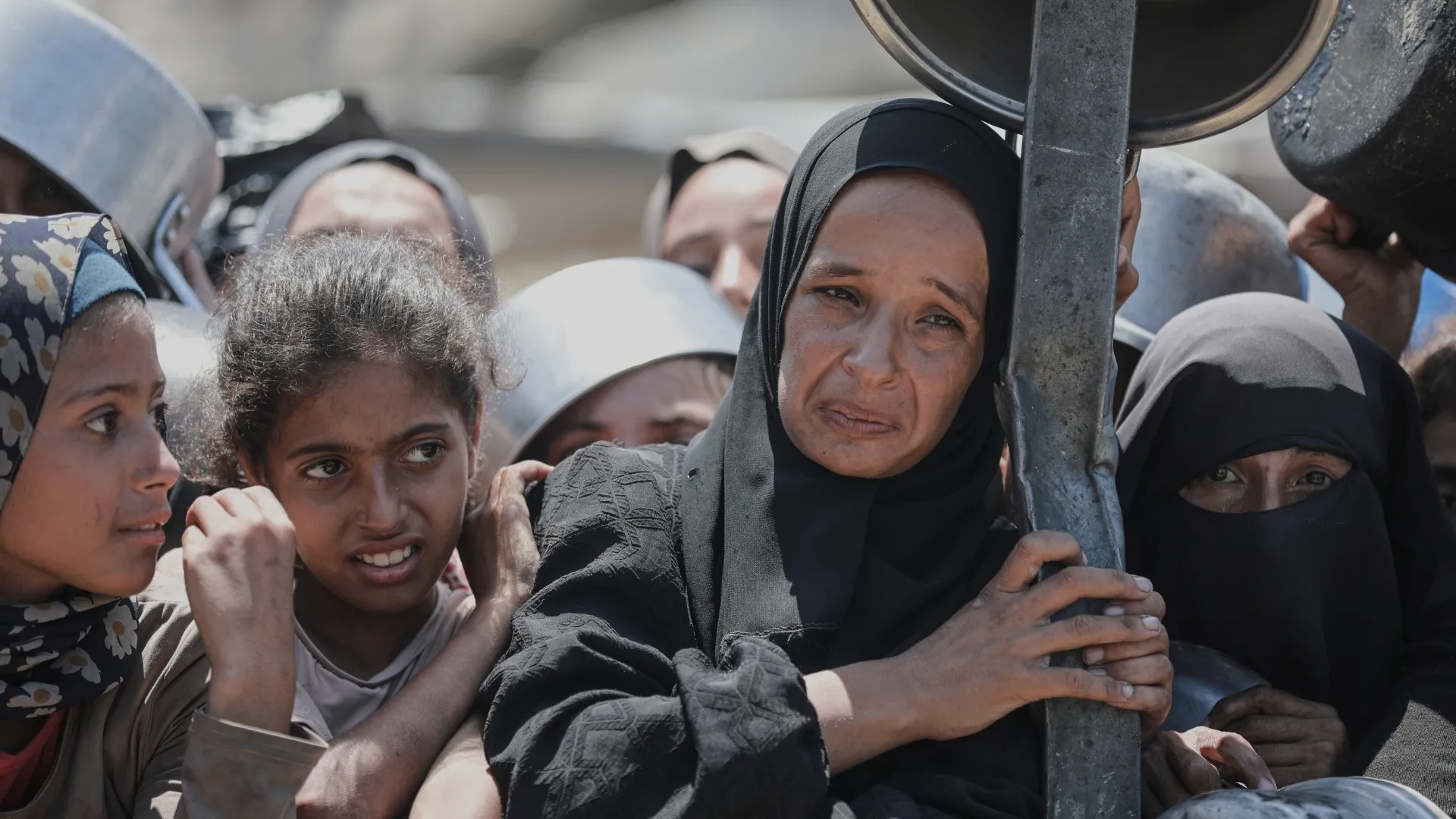
Famine in Gaza is no longer a speculative threat, nor is it merely a rhetorical tool to shame the international community into action. It is now a brutal, undeniable fact. The situation has evolved from a humanitarian crisis into a full-blown catastrophe and the numbers speak for themselves. According to the UN, 96 percent of Gaza’s population faces acute food insecurity. The Integrated Food Security Phase Classification warns that at least 500,000 people are living under “catastrophic” conditions — one step before mass starvation.
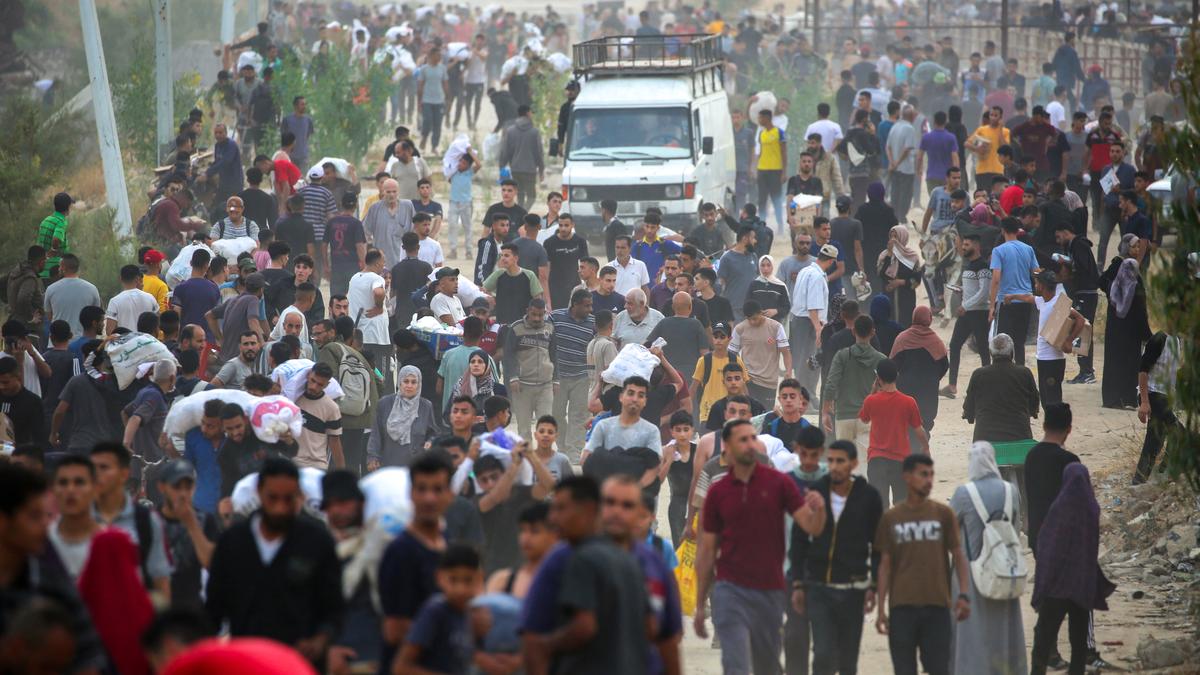
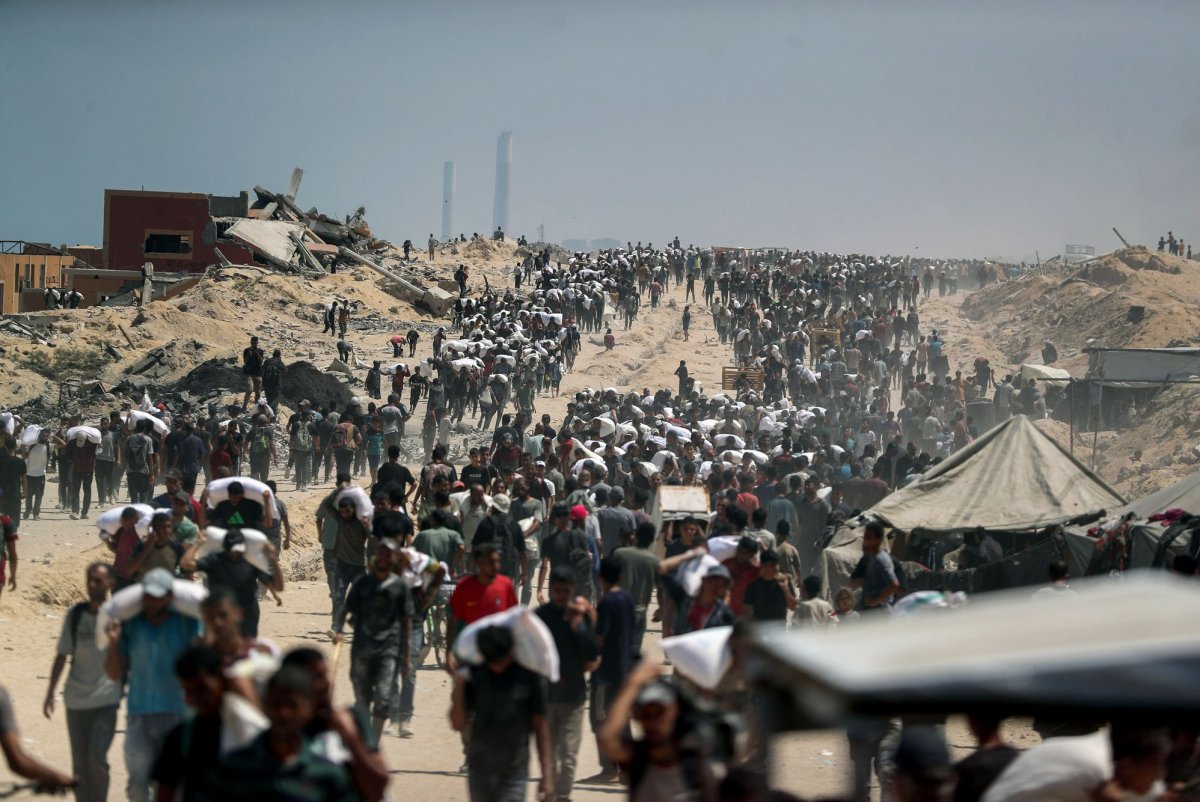
These are not projections. They are the present realities. Gaza, already strangled by an 18-year blockade, is now walking barefoot into famine under the shadow of total siege and relentless bombardment. The current Israeli assault, which began in October 2023, has not only flattened entire neighborhoods and displaced more than 1.7 million people, it has also systematically targeted the infrastructure that makes survival possible: bakeries, food distribution centers, water facilities and even the UNRWA aid warehouses that once formed the backbone of humanitarian relief.
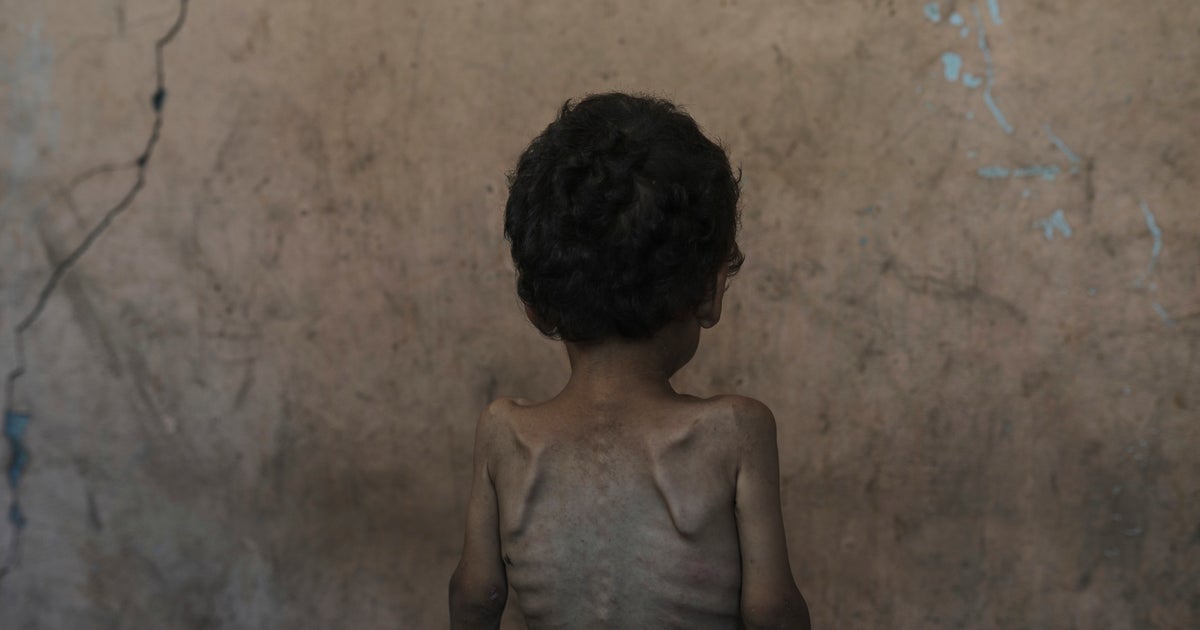
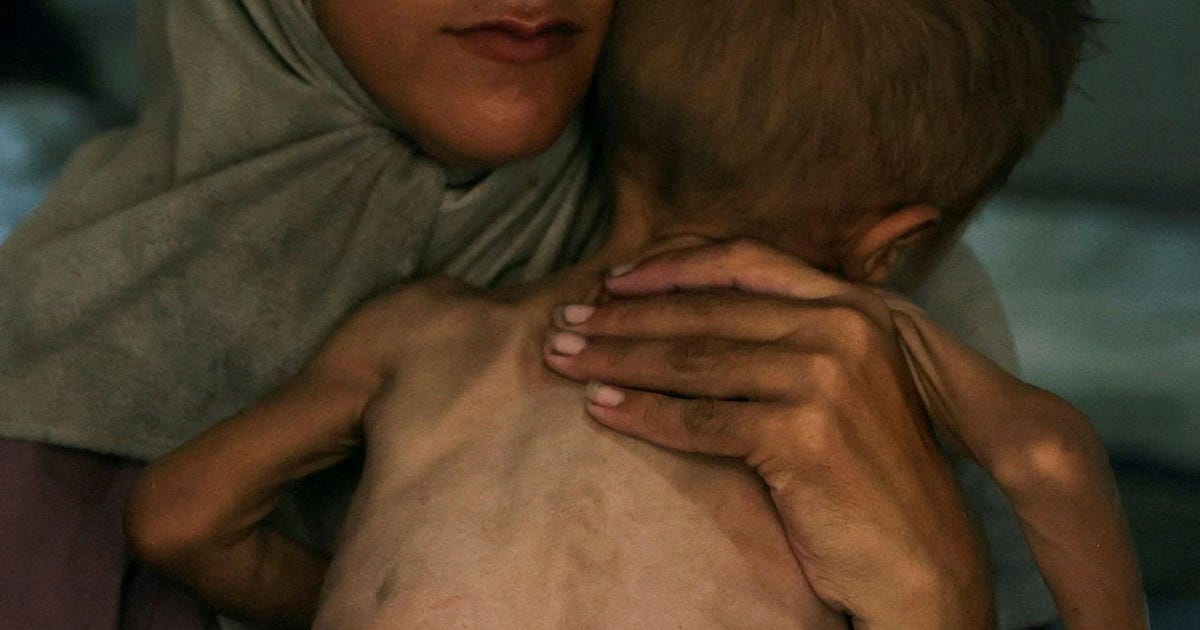
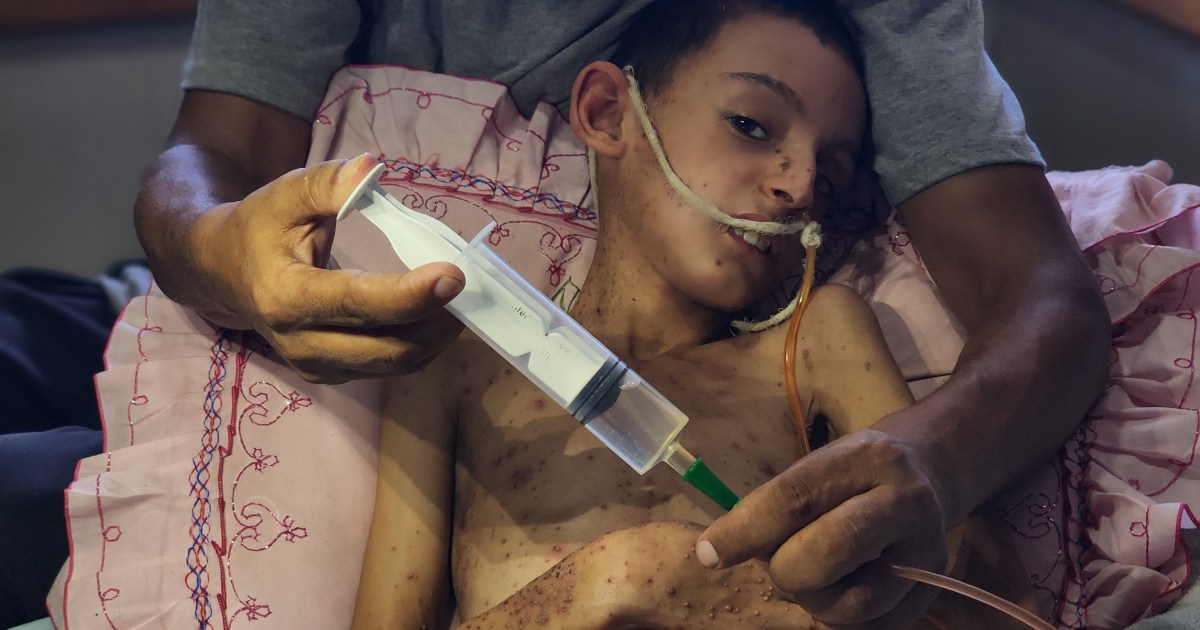
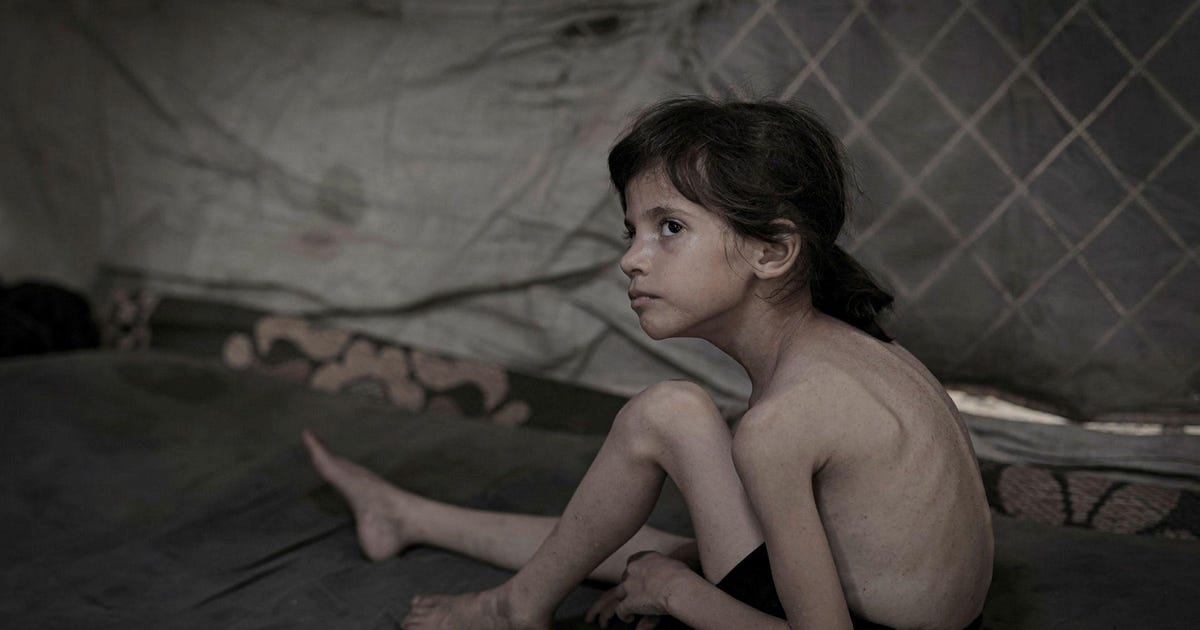
Hospitals are collapsing. Children are dying — not only from bombs, but from hunger. Videos and photographs released by health workers in Khan Younis and northern Gaza show toddlers with protruding ribs, skeletal arms and lifeless eyes. Mothers have been filmed weeping as they try to feed their children with boiled grass and stale bread mixed with animal feed. These are not isolated cases — they are the norm in a place where malnutrition is spreading faster than any ceasefire can catch up.