The strikes on Russian airbases are further evidence of Kyiv’s innovation. Imagination and skill can bolster external backing – but can’t replace it
S
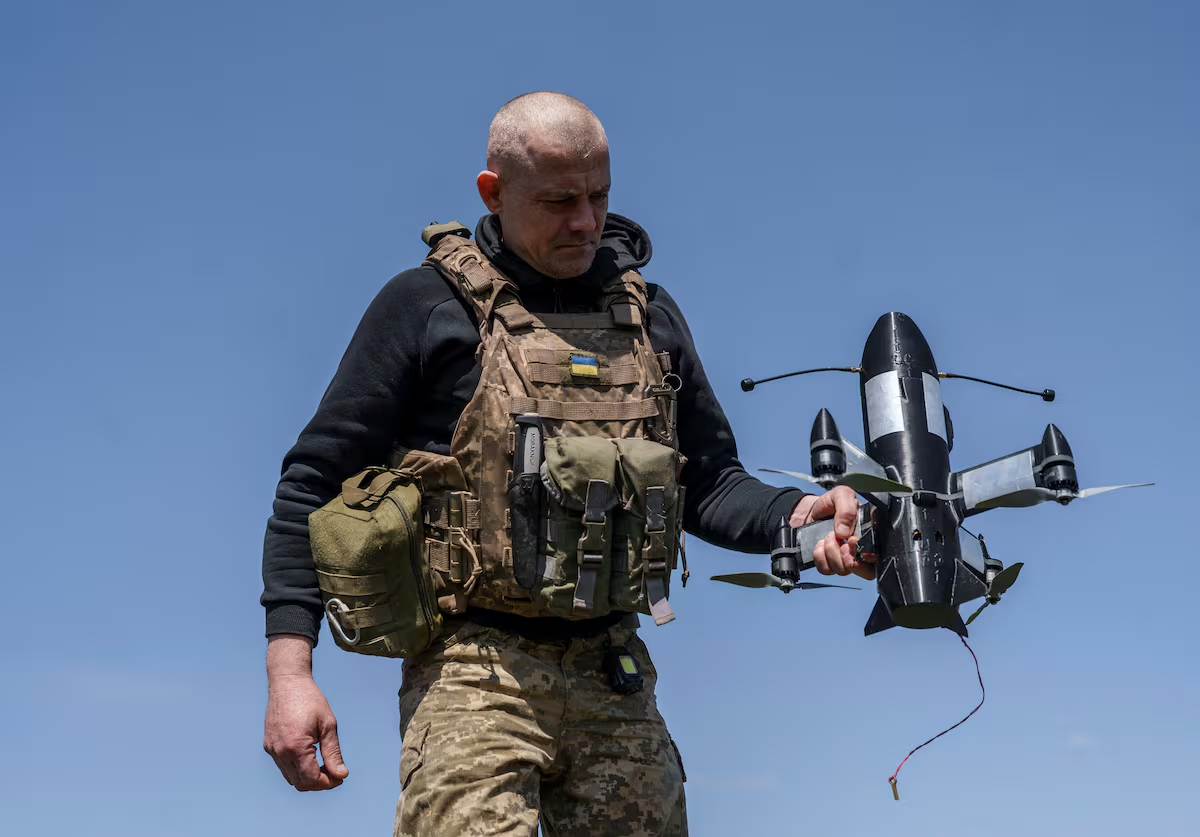
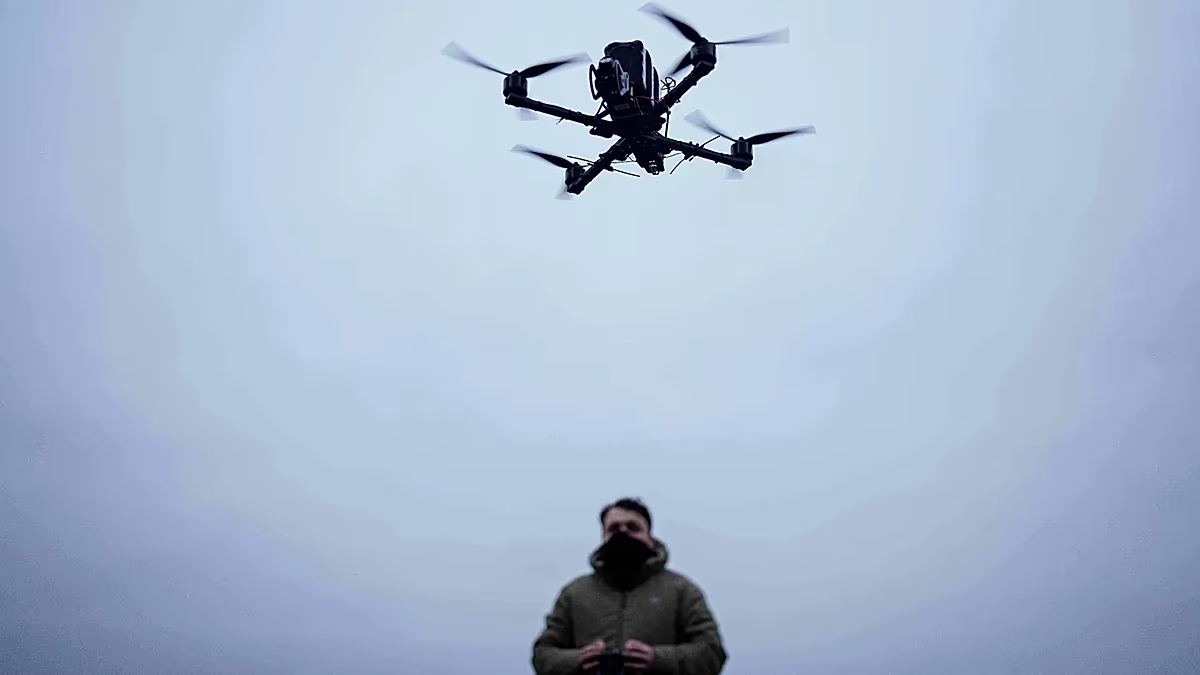
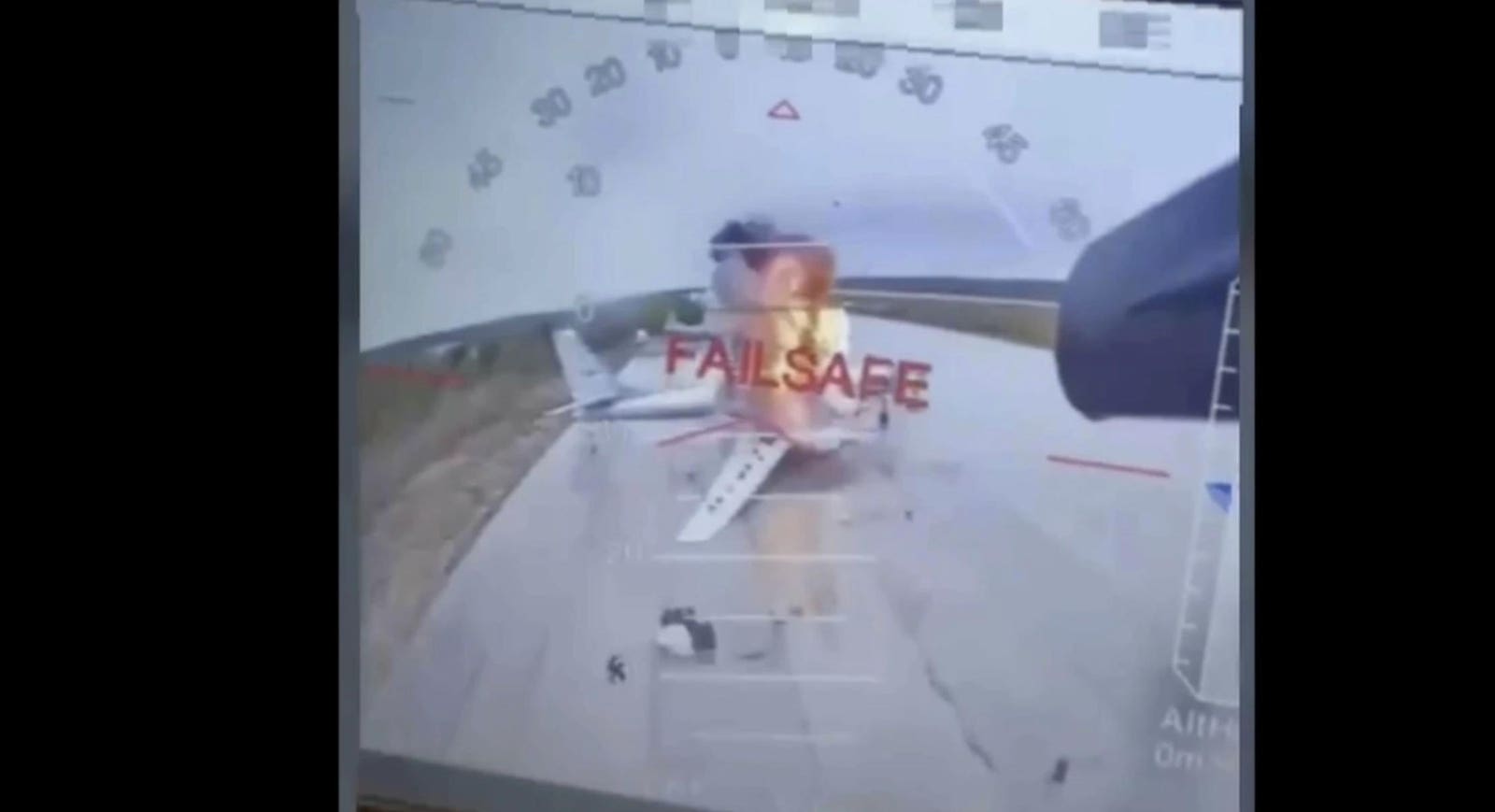
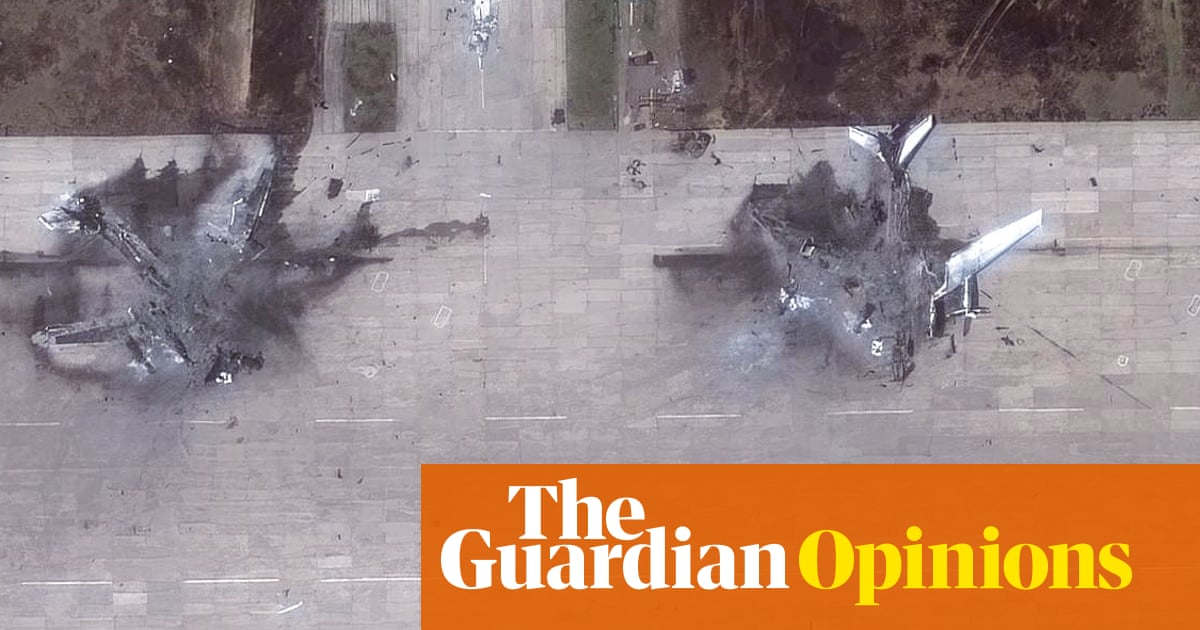
ince Donald Trump scolded Volodymyr Zelenskyy with the words “You don’t have the cards right now,” Ukraine has been keener than ever to demonstrate that it has a few up its sleeve. On Sunday it showed its hand with an extraordinary, audacious drone attack on multiple bases deep inside Russia, which it says damaged 41 aircraft.
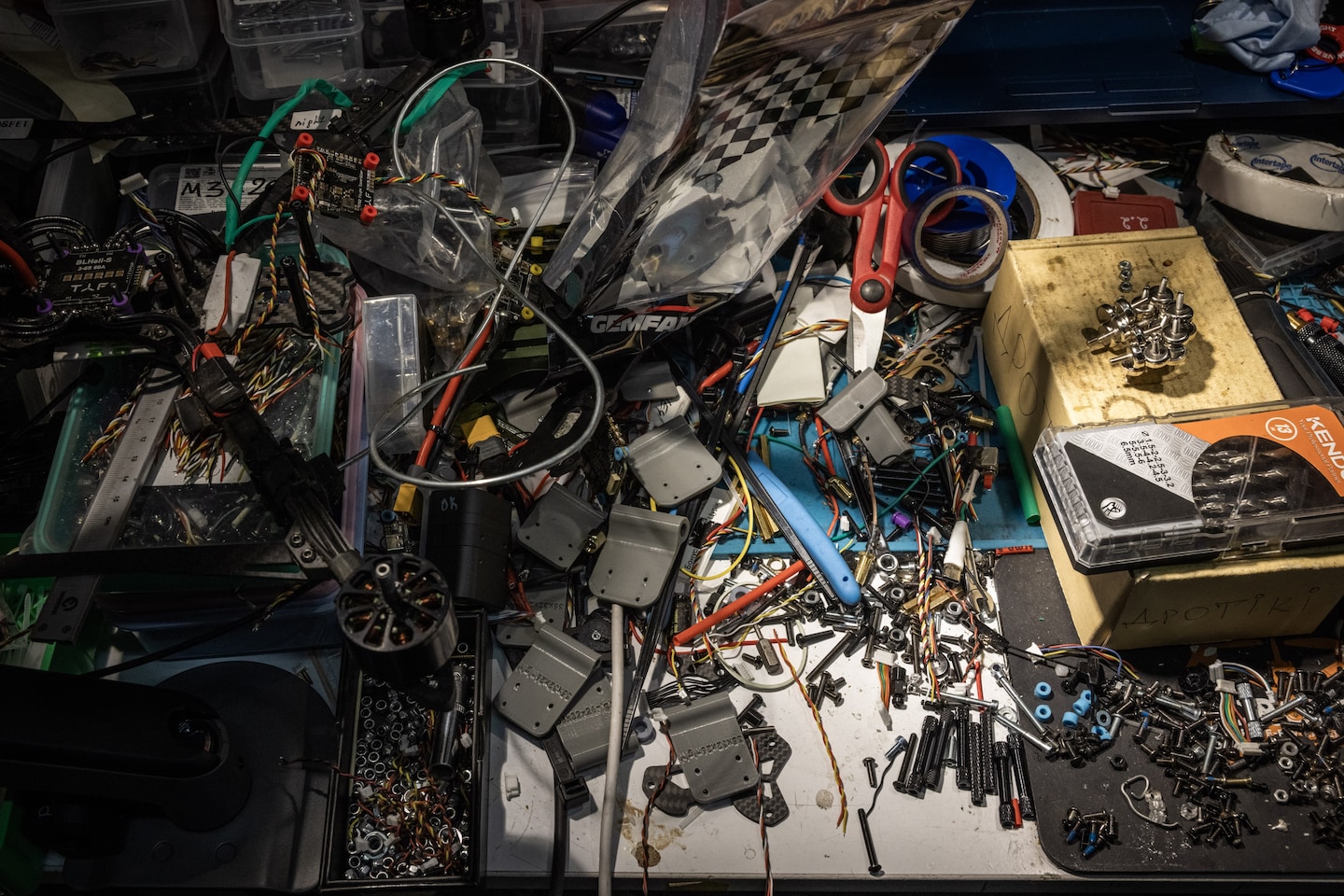
Operation Spiderweb, which saw the smuggled drones released from their hiding places in wooden sheds and remotely piloted to their targets, was swiftly followed by another attack on Crimea’s Kerch bridge using underwater explosives. Kyiv – often coy in such cases – was unusually swift to claim both incidents, but has not taken responsibility for two railway bridge attacks which Russia says led to the deaths of seven passengers at the weekend.
There is obvious satisfaction in hitting Russian bombers and surveillance planes used against Ukrainian civilians, and Spiderweb’s unexpected method will surely force Russia to think harder about defence. But the greater significance lies in its potential impact on domestic morale and international support. Ukraine has repeatedly surprised both its enemy and its allies throughout this war. Unexpected successes such as the Kursk incursion have changed the narrative at critical moments. Meticulously planned, and reportedly 18 months in the making, the latest operation must make Russia wonder what else may be on the way.