Historian mapping medieval murders has evidence John Ford’s stabbing was revenge hit by impenitent ex-lover
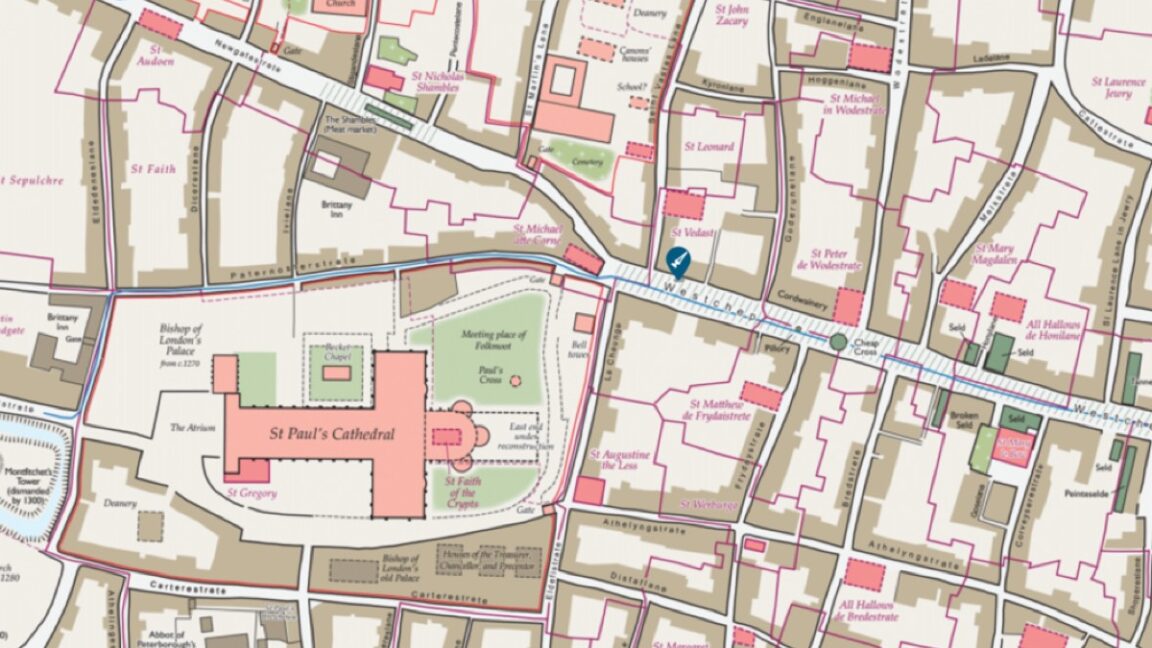
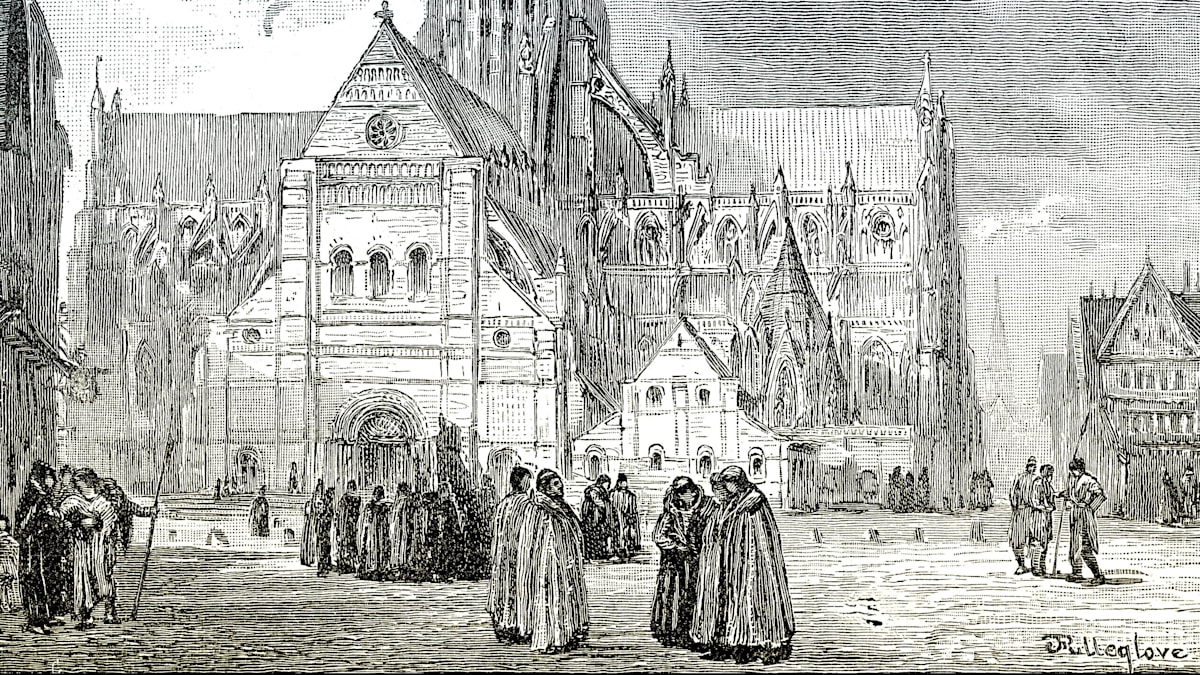
Almost 700 years ago, in a busy London street in the shadow of St Paul’s Cathedral, a priest called John Ford was brazenly stabbed to death in a crime notable both for its public nature and its ferocity.
It was early evening, just after vespers on 4 May 1337, and the street in Westcheap would have been bustling with passersby. In full view of them all, one man sliced Ford’s throat with an anelace, a foot-long dagger, while two others used long knives to stab him in the belly. Was someone trying to make a very public example of the victim?
An investigation quickly named the killers and the person who ordered the slaying – a wealthy noblewoman called Ela FitzPayne, whose husband had appointed the dead priest to his village parish in Dorset. No explanation was offered, however, and only one man, a former servant of FitzPayne’s, was ever convicted of the crime.
Seven centuries later, documents unearthed by a leading Cambridge university academic have pointed to what he believes is a likely motive. According to Prof Manuel Eisner, director of the university’s Institute of Criminology, the records suggest the murder was a revenge killing ordered by the noblewoman on the man who had once been her lover and her collaborator in an earlier violent raid on a Benedictine priory.