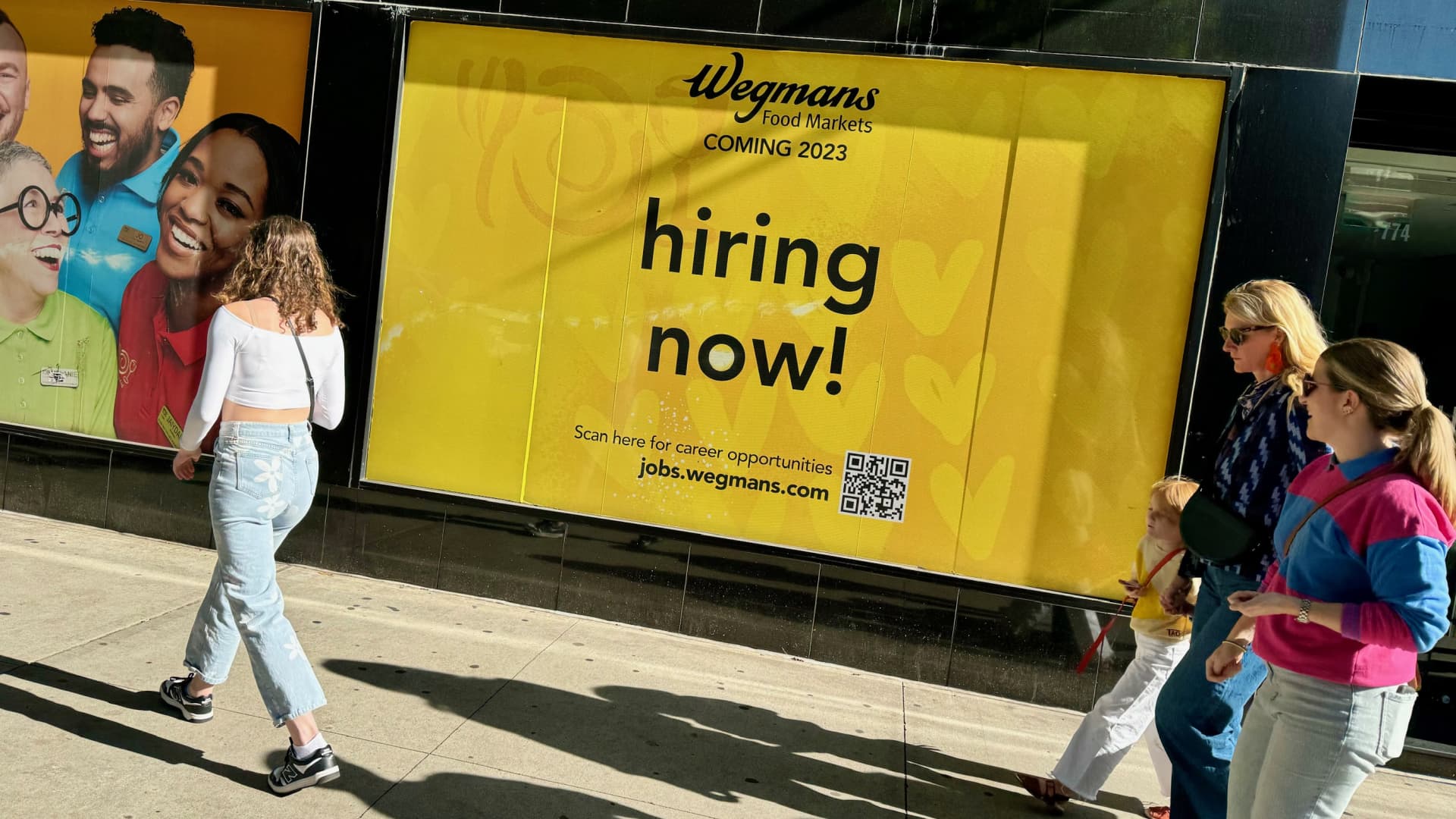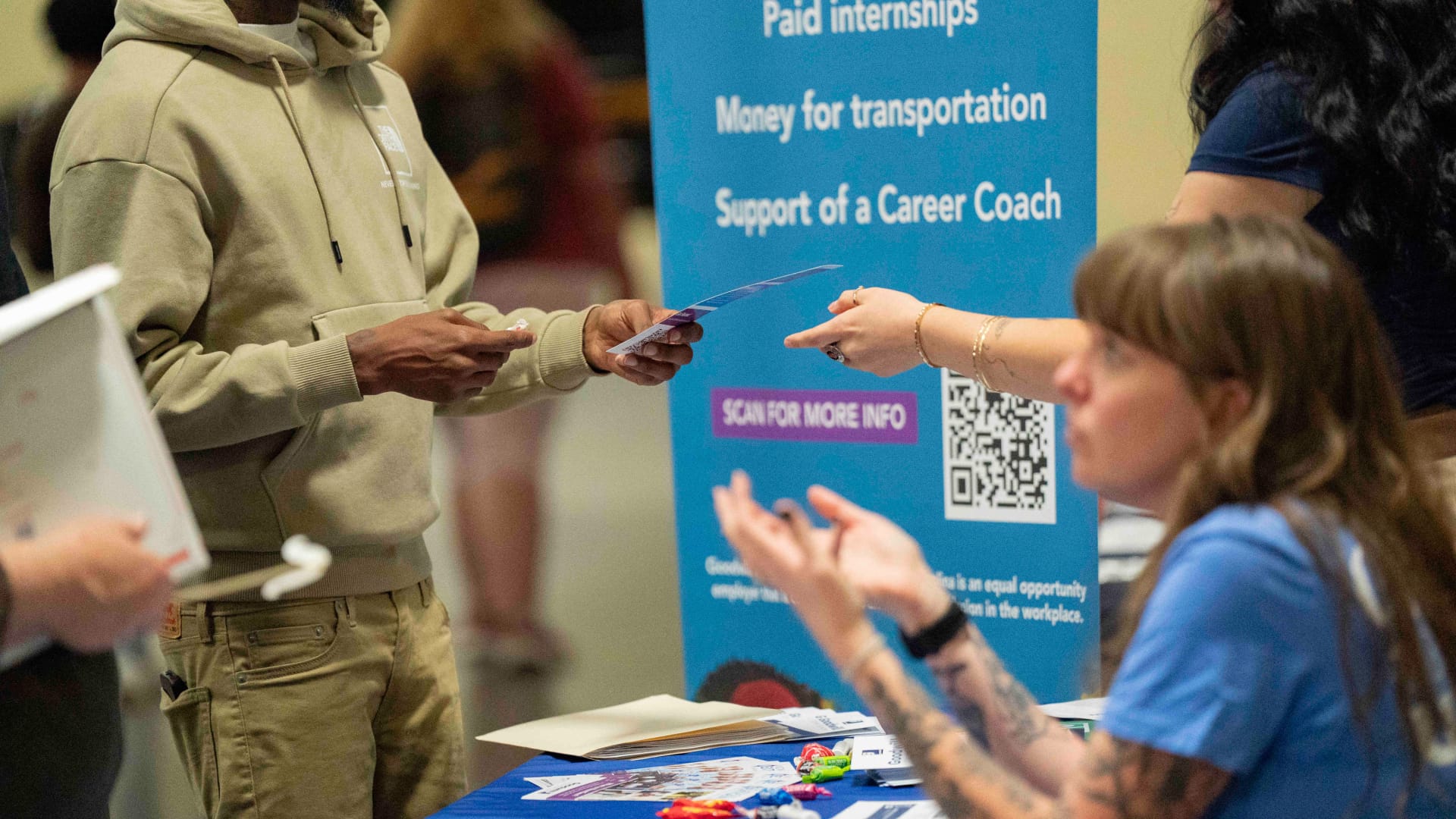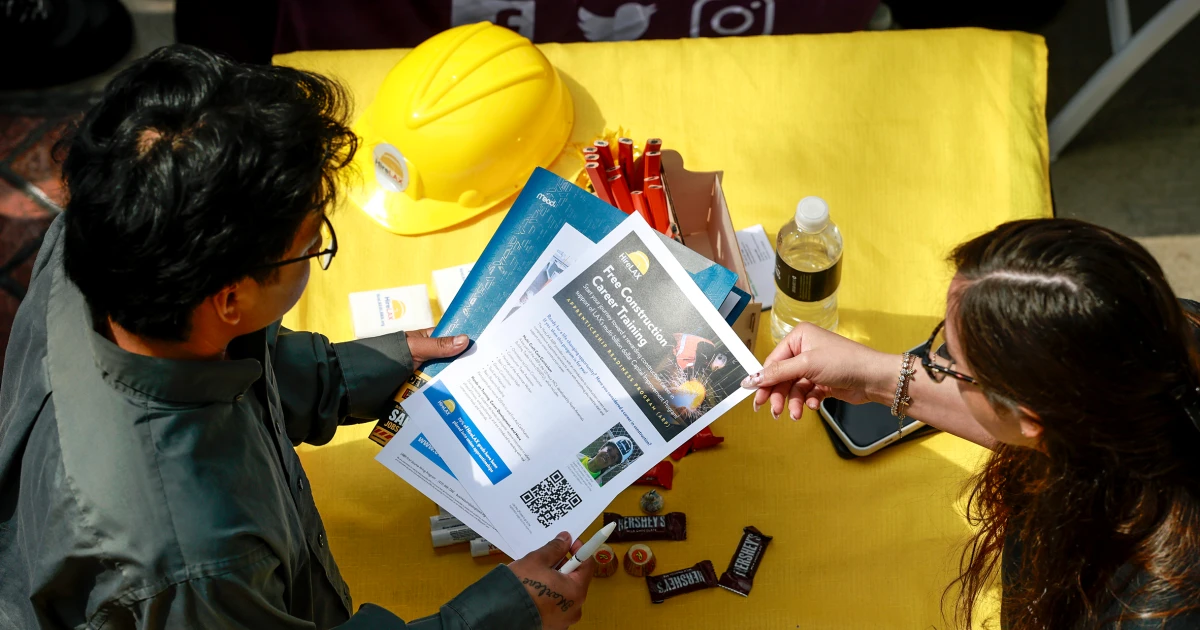
There seems little doubt now that hiring slowed considerably in May as companies and consumers braced for higher tariffs and elevated economic uncertainty. The main question is by how much.
A small dip from the recent trend likely wouldn’t be viewed as worrisome. But anything beyond that could set off a fresh round of fears about the labor market and broader economy, possibly pushing the Federal Reserve into a quicker-than-expected interest rate action.
Economists expect that when the Bureau of Labor Statistics reports the May nonfarm payroll numbers Friday at 8:30 a.m. ET, they will show a gain of just 125,000, down from an initial tally of 177,000 in April and the year-to-date monthly average of 144,000. That represents a slide but not a collapse, and markets will hinge on the degree of decline.
“Going into the NFP print, expectations have been reset lower and a reading of around 100,000 (vs. the 125,000 expected by the consensus) could fall in the ‘not-as-bad-as-feared’” camp, wrote Julien Lefargue, chief market strategist at Barclays Private Bank. “Anything below the 100,000 mark could reignite recession fears, while a stronger-than-expected print could perversely be negative for risk assets as it would likely put upward pressure on [Treasury] yields.”