For decades, men, straight people and White people were often held to a higher legal standard when bringing workplace bias claims than groups that historically faced discrimination.
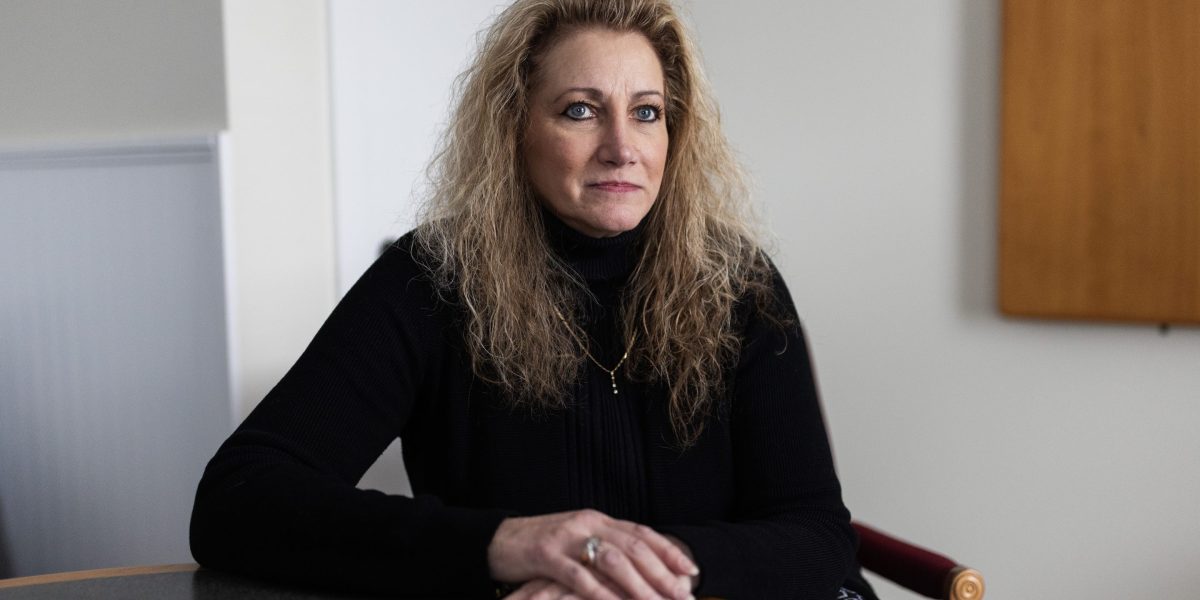
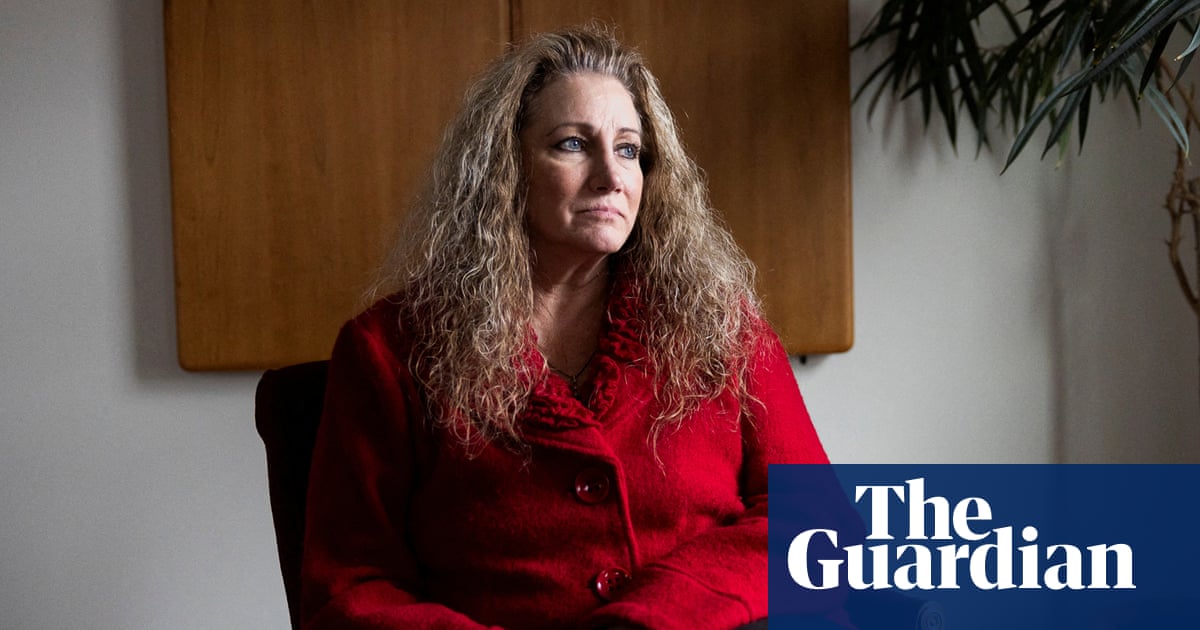
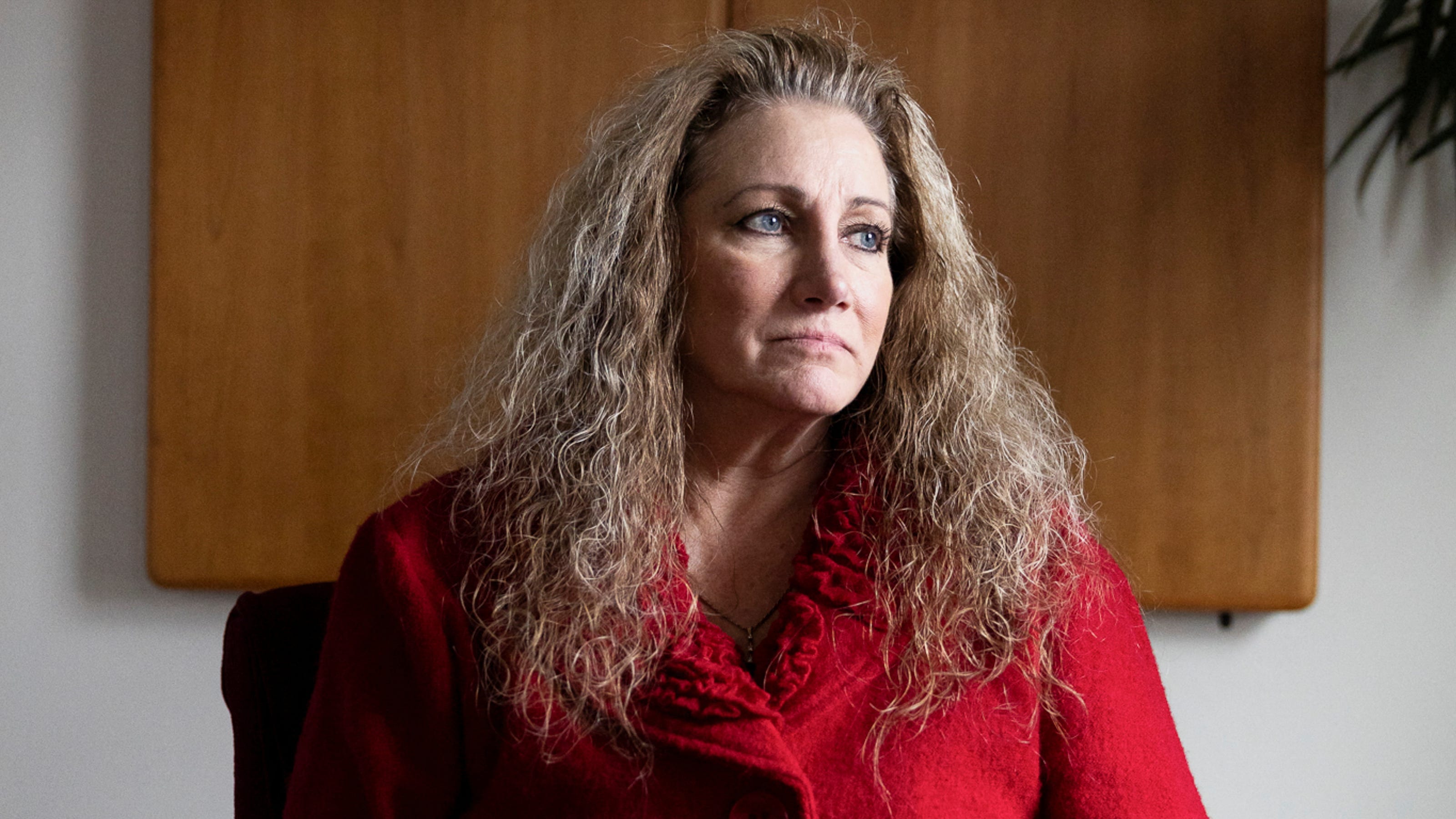
No longer. The Supreme Court this week made it easier for members of so-called “majority groups” to sue for discrimination by siding with an Ohio woman, Marlean Ames, who claimed she twice lost jobs to lesser-qualified gay candidates because she is straight.
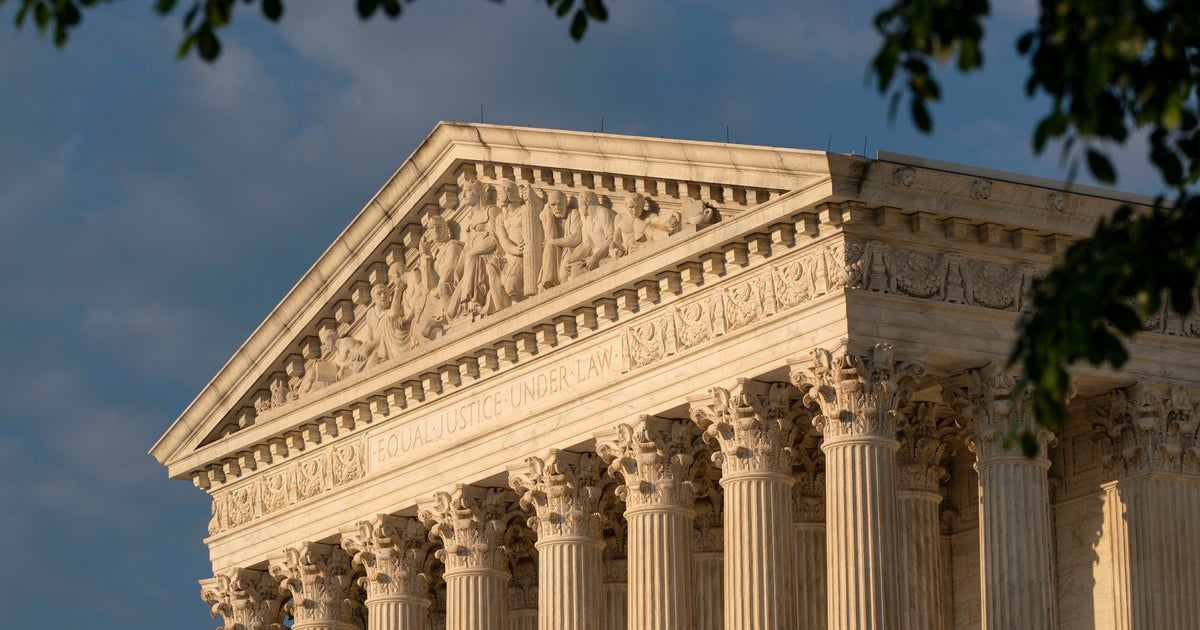
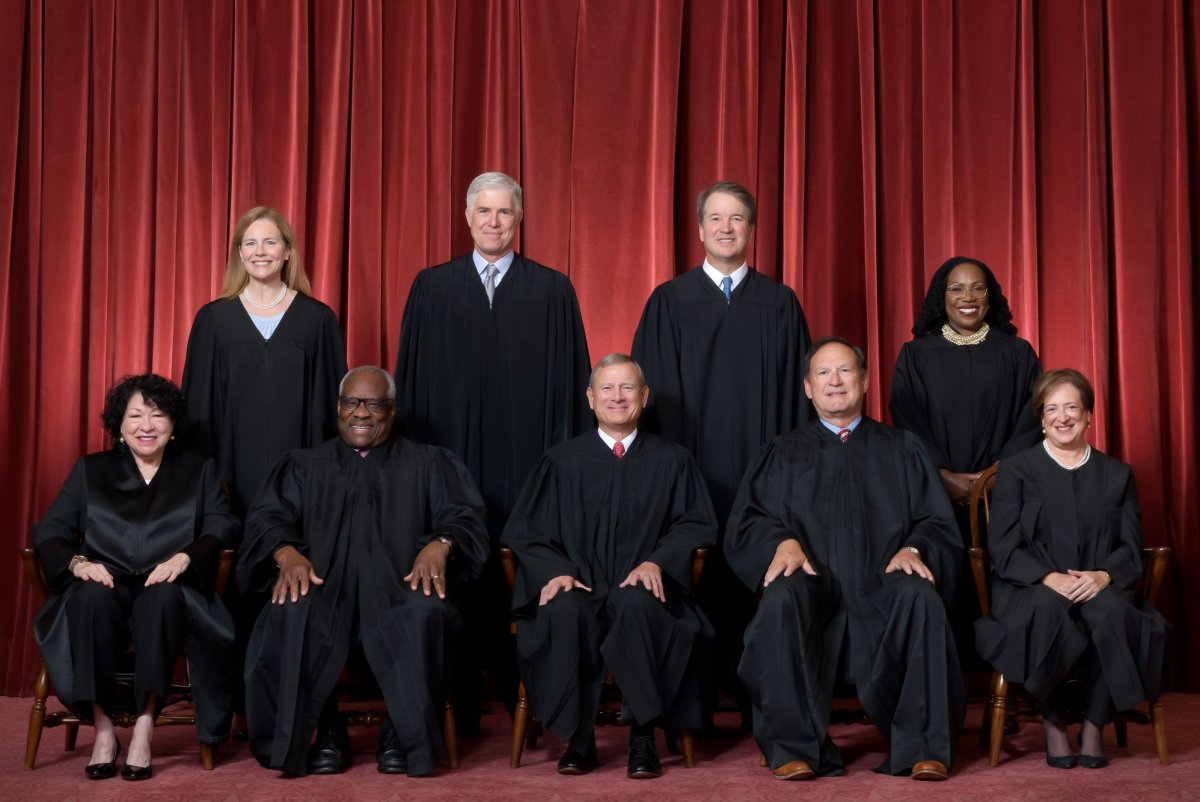
Federal civil rights law does not distinguish between members of majority and minority groups, Justice Ketanji Brown Jackson wrote in the unanimous decision striking down the standard used in nearly half of federal circuit courts.
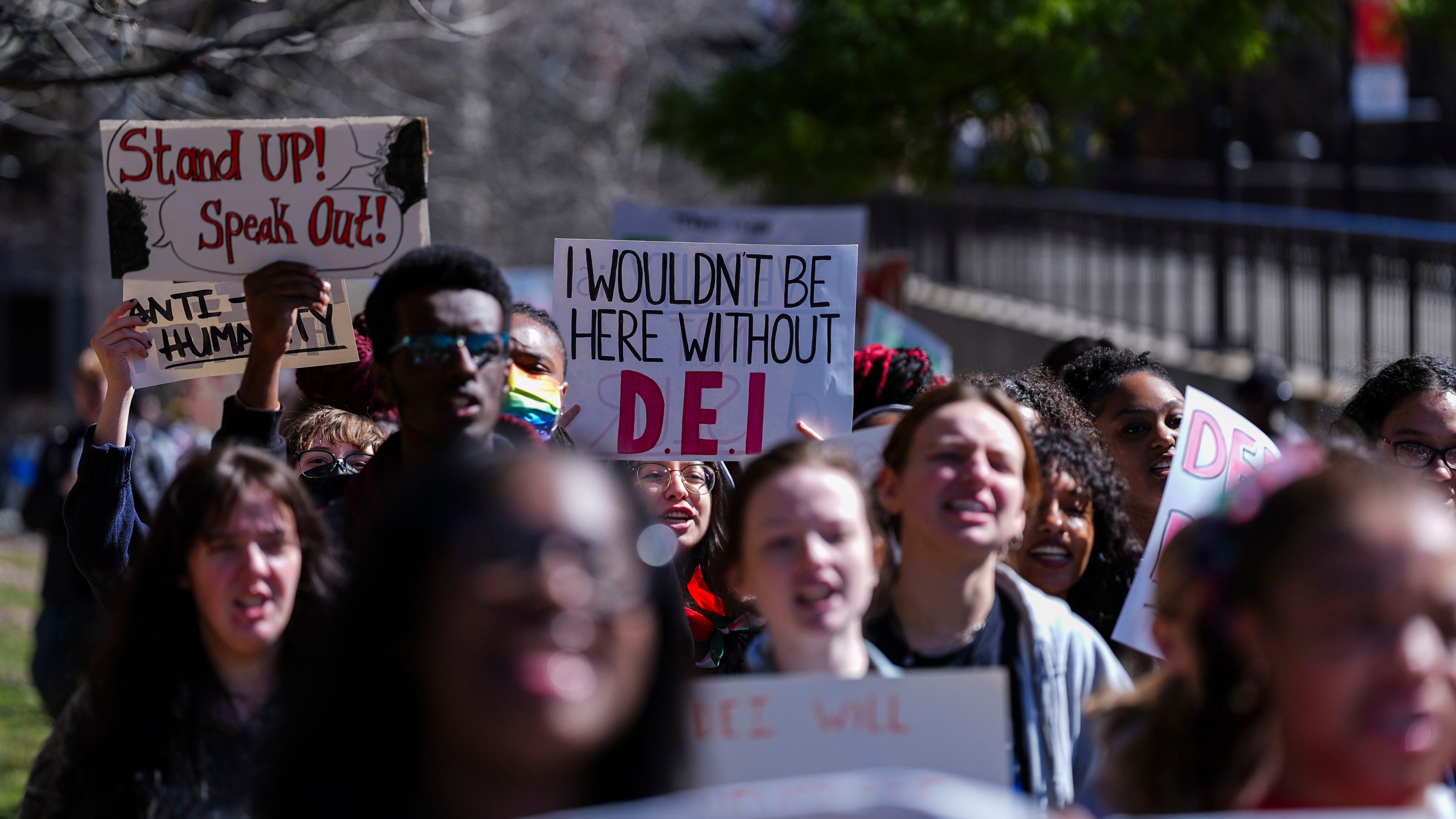
Legal experts say the closely watched ruling could spur more reverse discrimination complaints at a moment when workplace diversity equity and inclusion programs are already under threat from the Trump administration.
“The ruling certainly puts employers on notice that discrimination against ‘majority’ employees is just as unlawful as discrimination against minority employees,” said William Jacobson, Cornell University law professor and founder of the Equal Protection Project, an advocacy group that opposes race-based policies. “There is no safe haven or carve-out for so-called 'reverse discrimination.’”