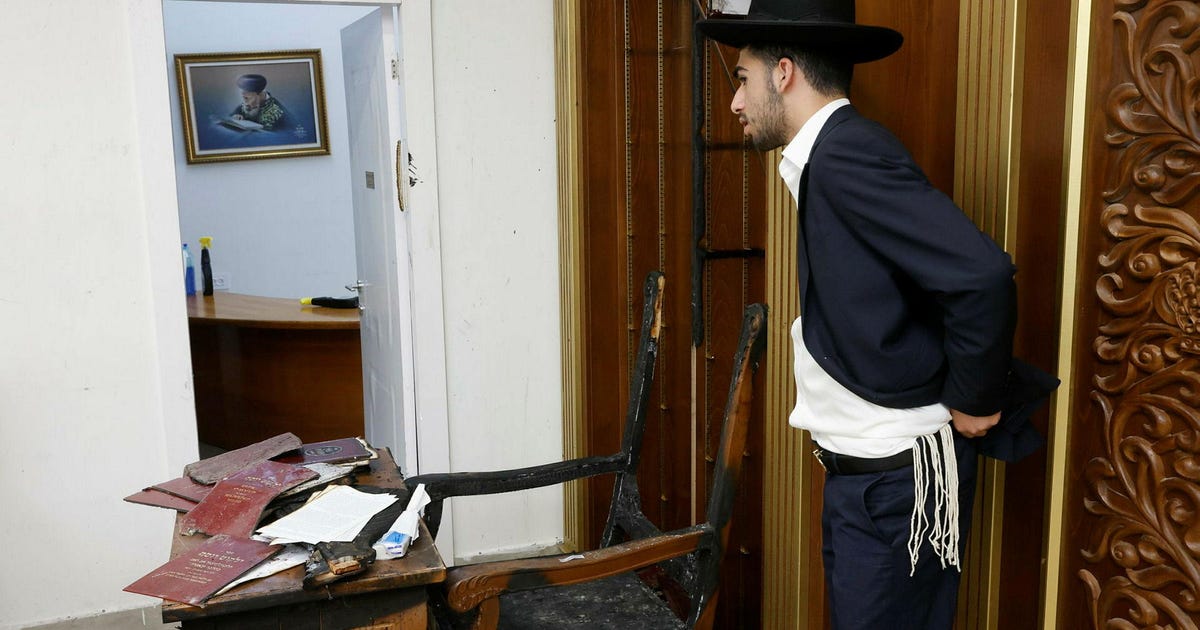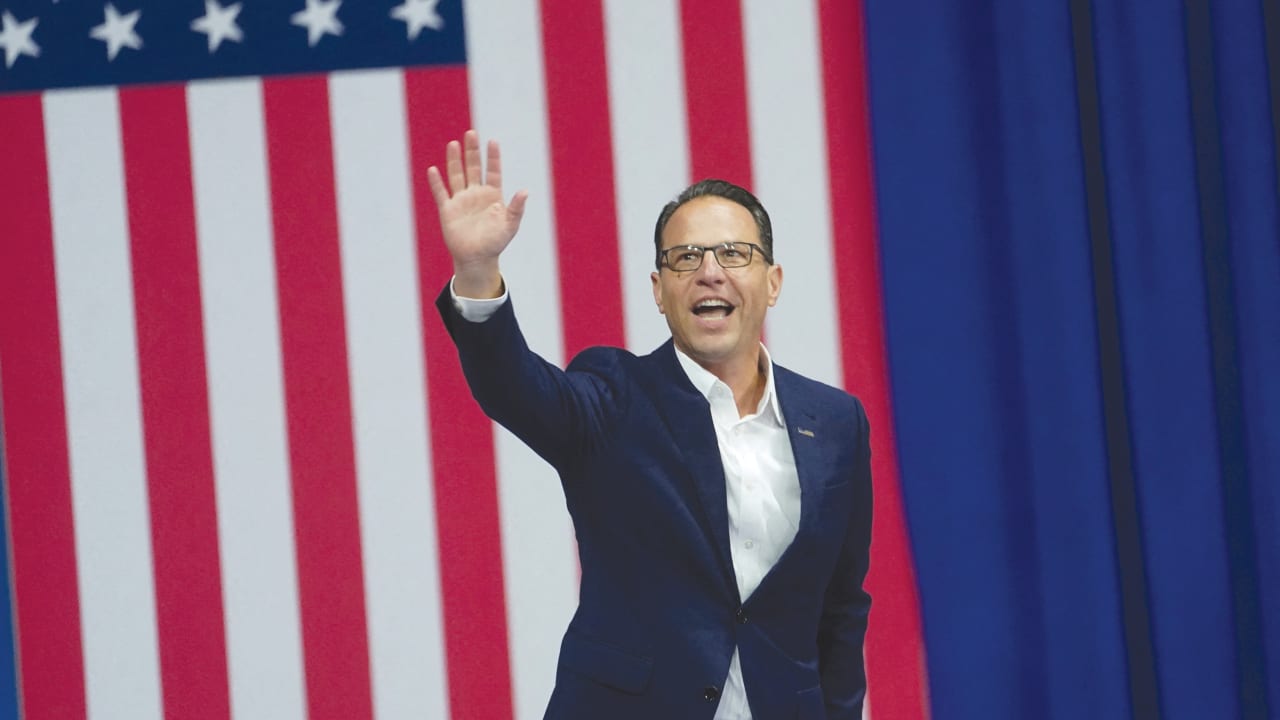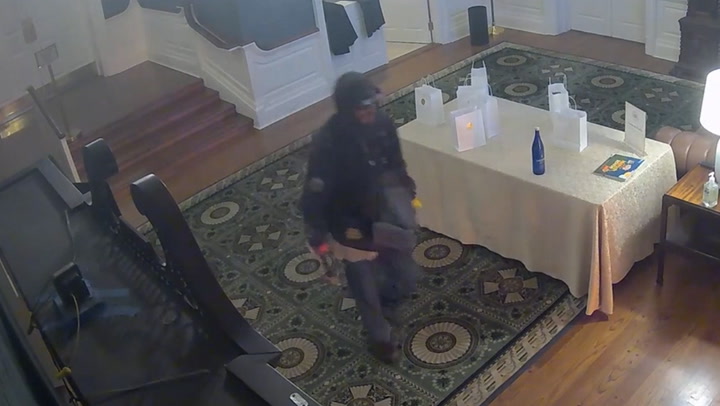
A man firebombed the home of Pennsylvania Gov. Josh Shapiro in April, hours after the governor and his family hosted more than two dozen people to celebrate the first night of Passover. The suspected arsonist targeted the governor because of "what he wants to do to the Palestinian people," according to police records.
Two weeks ago, a man shot and killed a young couple outside the Lillian & Albert Small Capital Jewish Museum. "Free Palestine," the man shouted. "I did it for Gaza," he later told investigators.
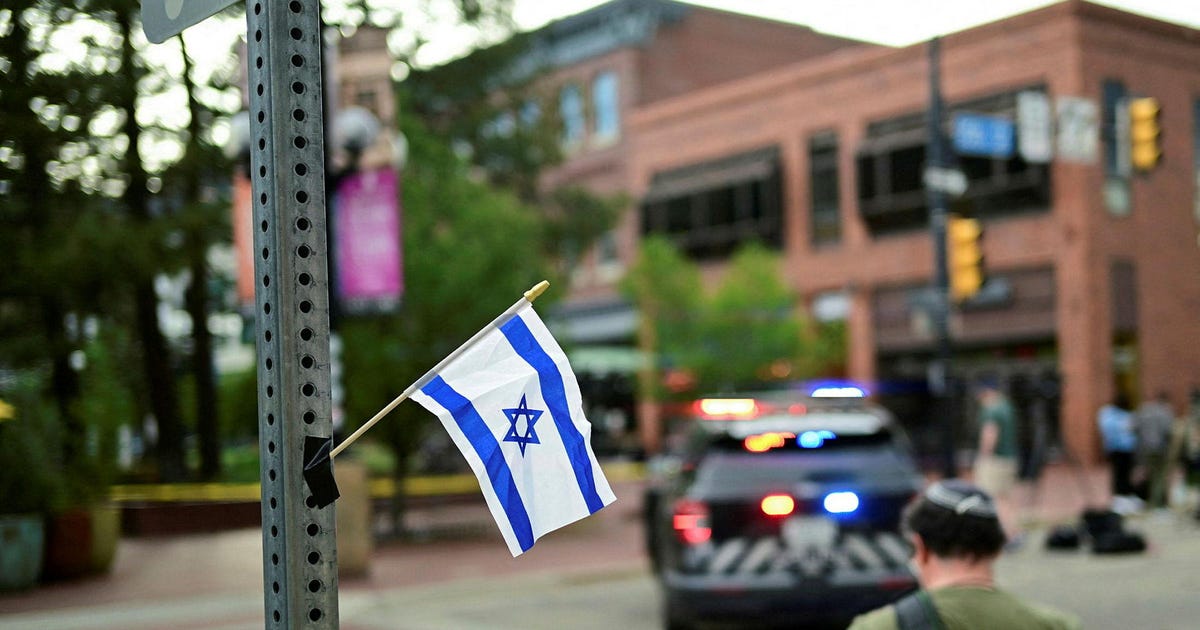
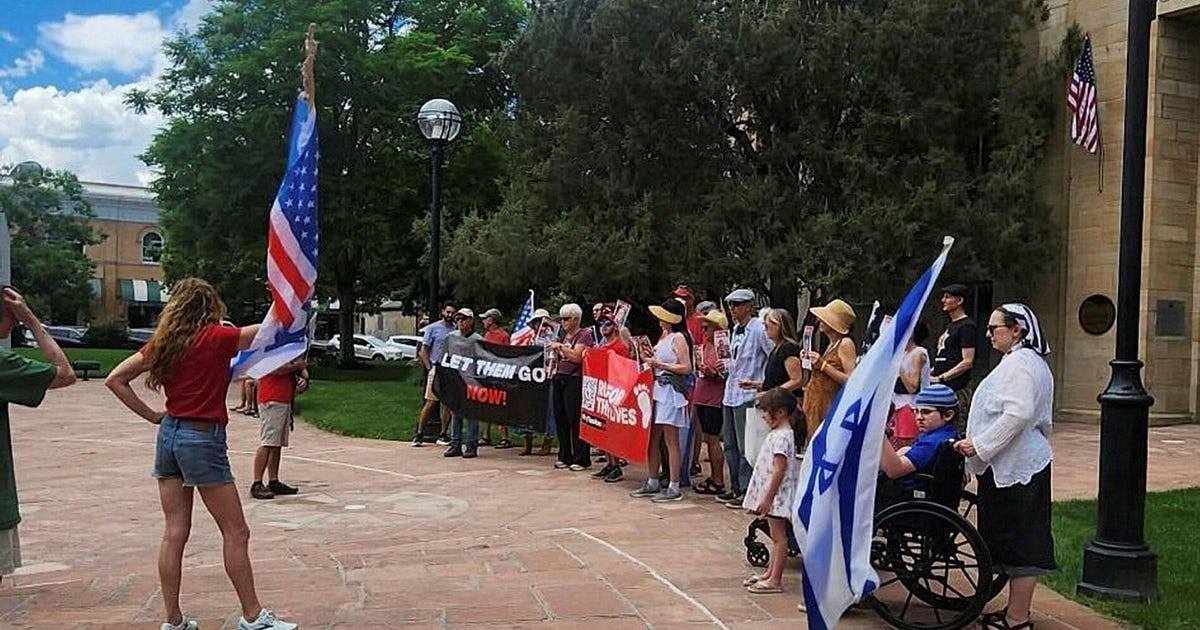
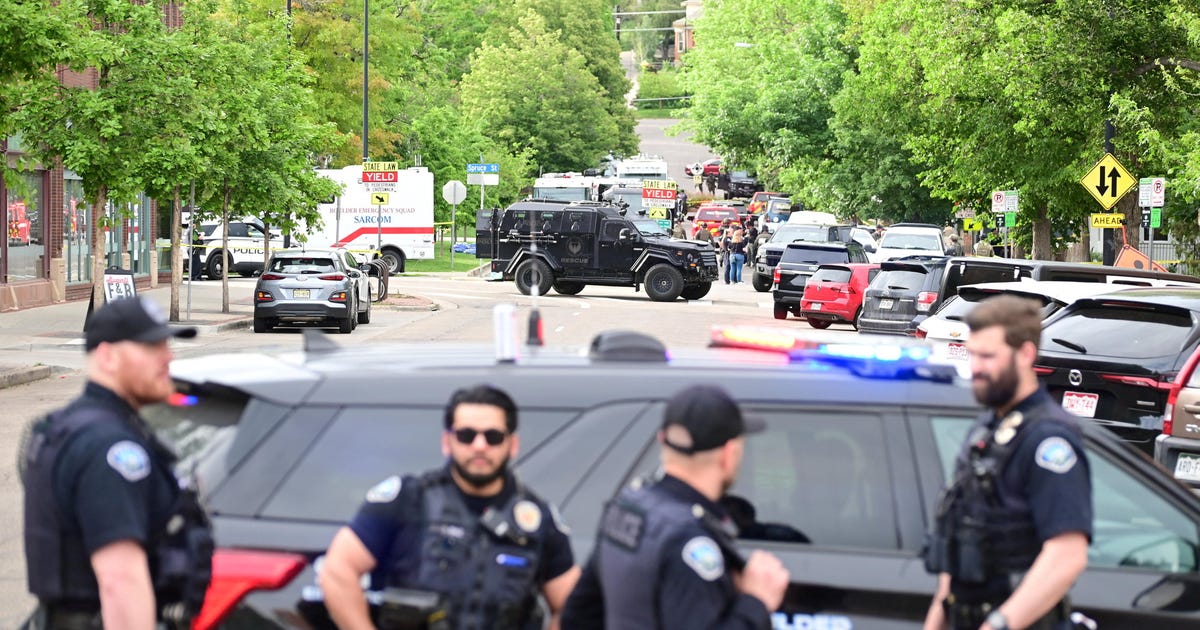
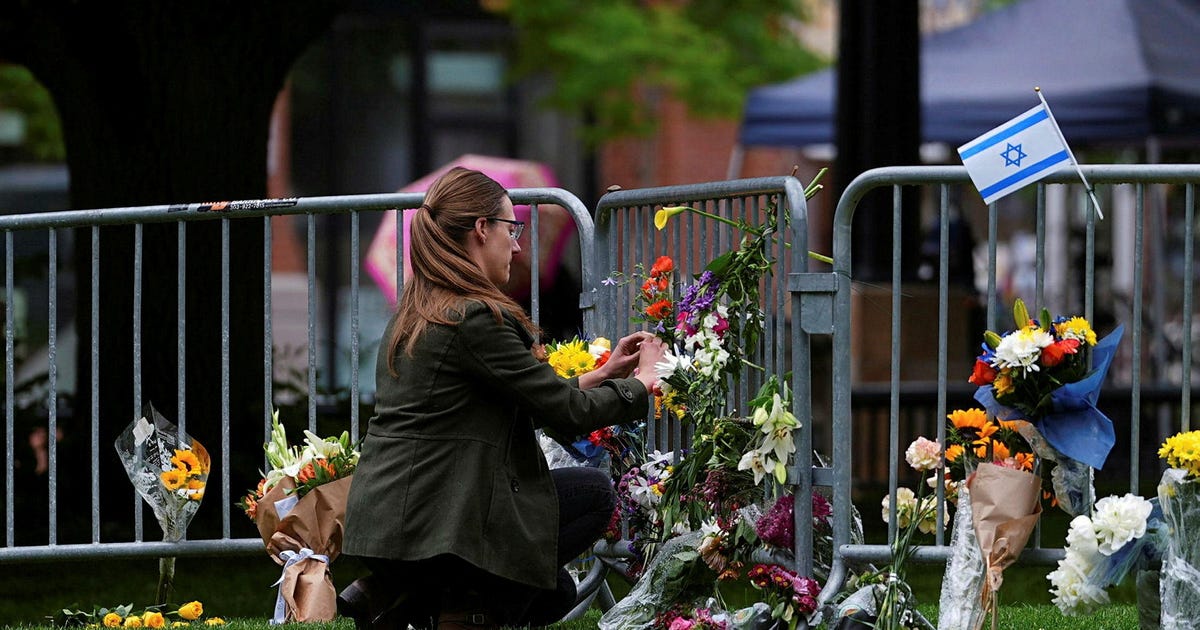
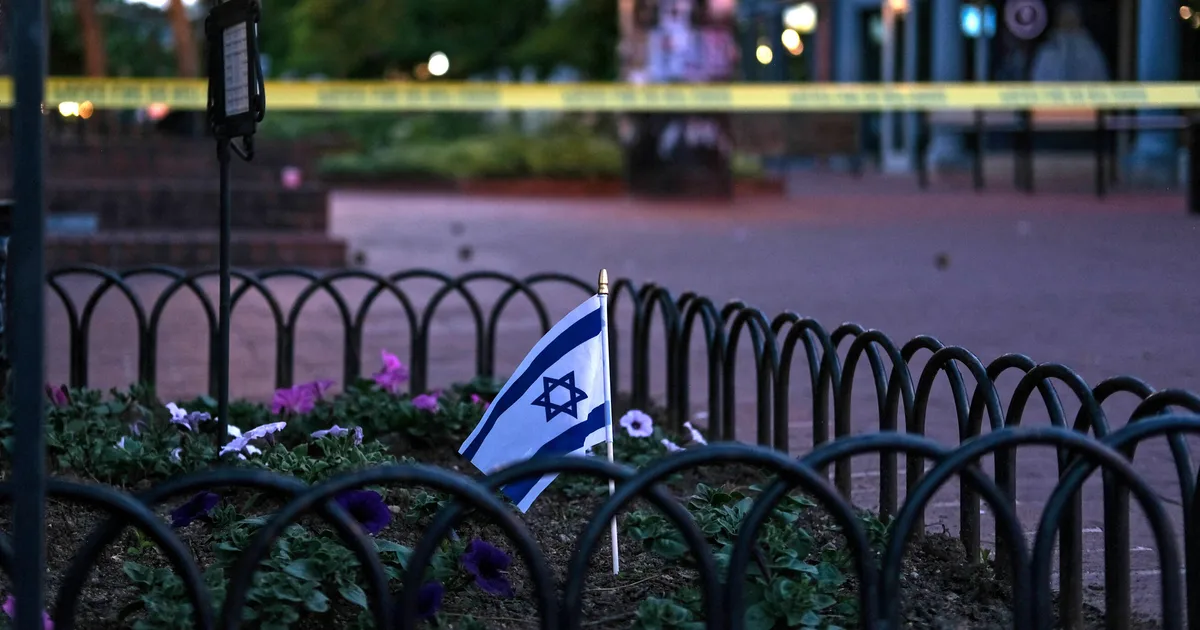
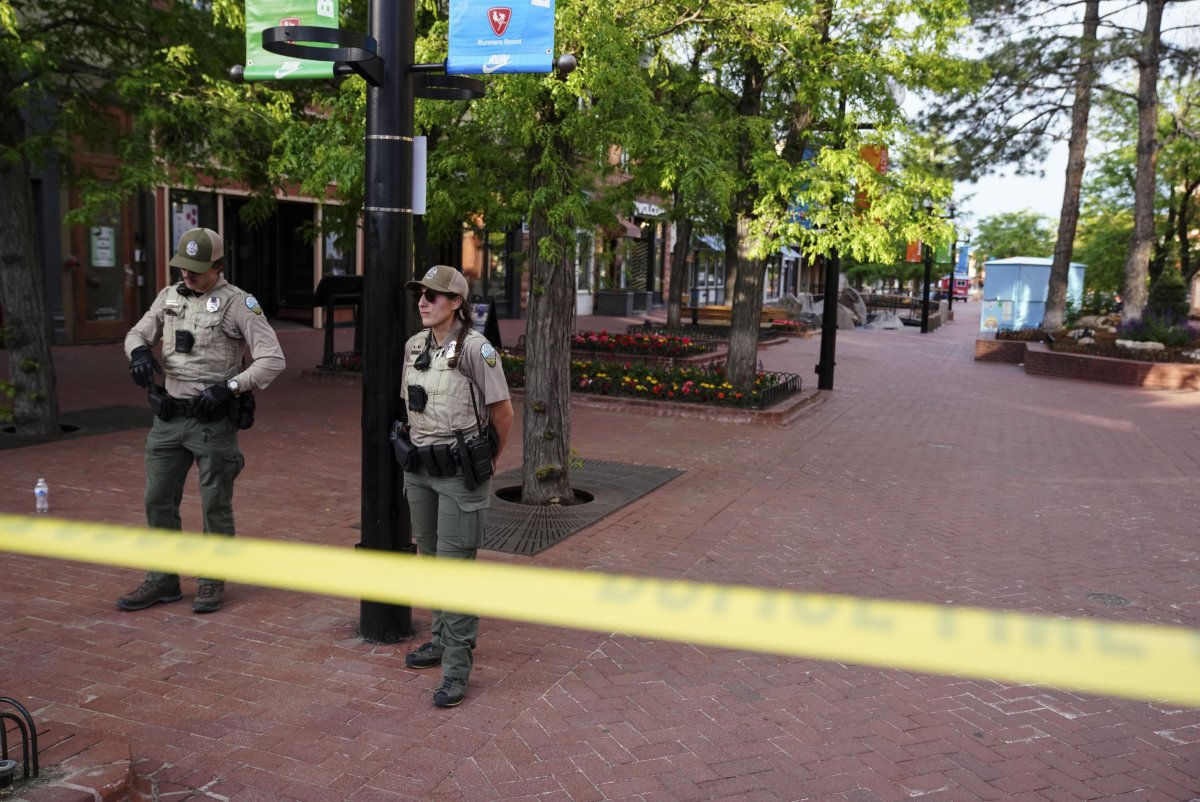
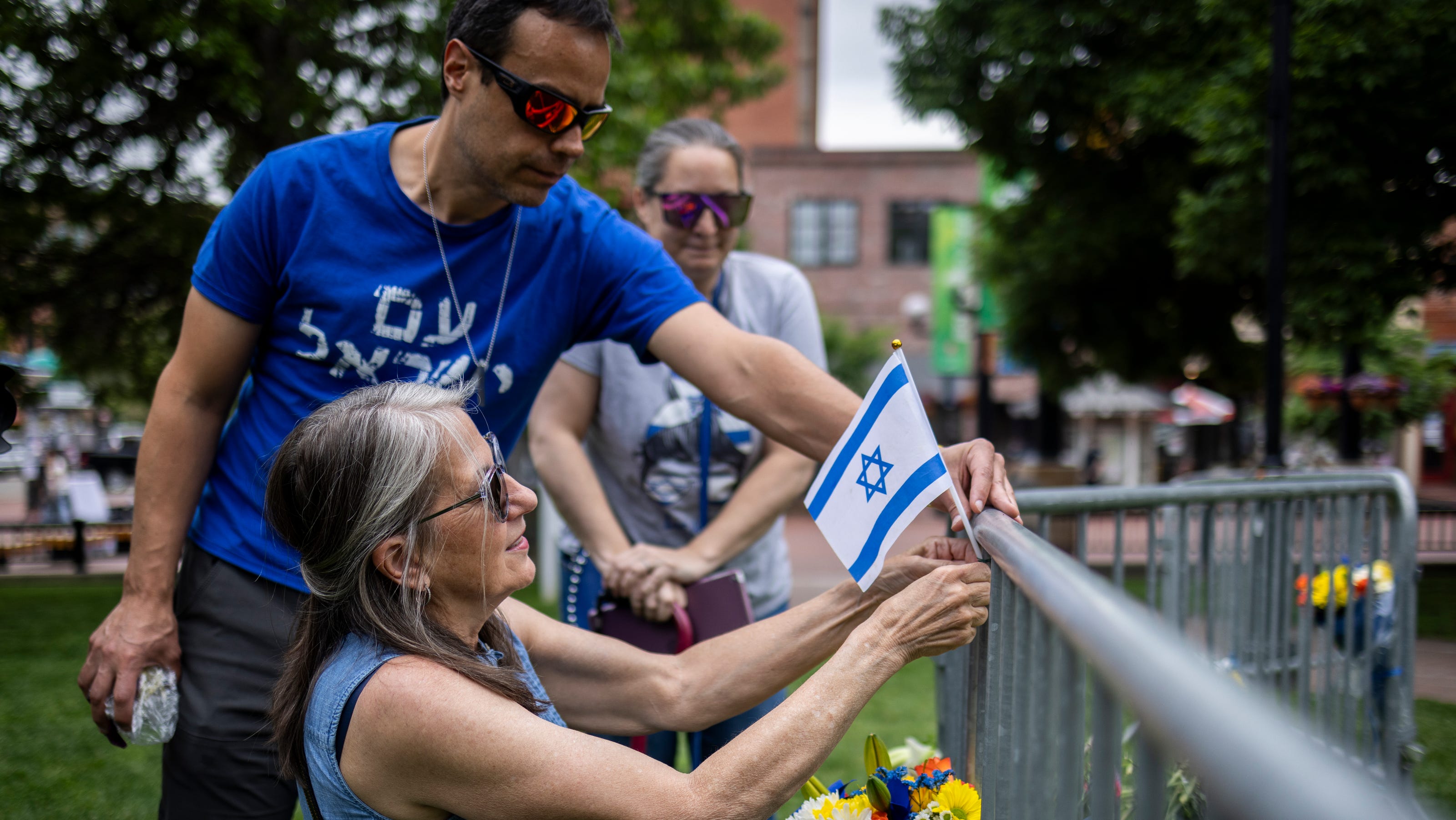
Then, on June 1, a man hurled Molotov cocktails at a peaceful gathering of pro-Israel demonstrators in Boulder, CO. Hurling abuse at the crowd, the attacker shouted "Free Palestine" as he set fire to several people, including an 88-year-old Holocaust survivor.
These violent attacks come after years of escalating rhetoric, protests and demonstrations against the ongoing war in Gaza. A report released last month found that antisemitic incidents across America hit a record high for the fourth year running last year, and the same researchers worry that trend will continue throughout 2025.
The recent wave of attacks has Jewish communities across the country on high alert. And it has experts and analysts who study extremist movements concerned the antisemitism that has already flooded online spaces and infested some protests on college campuses and elsewhere could now be entering a more deadly phase.