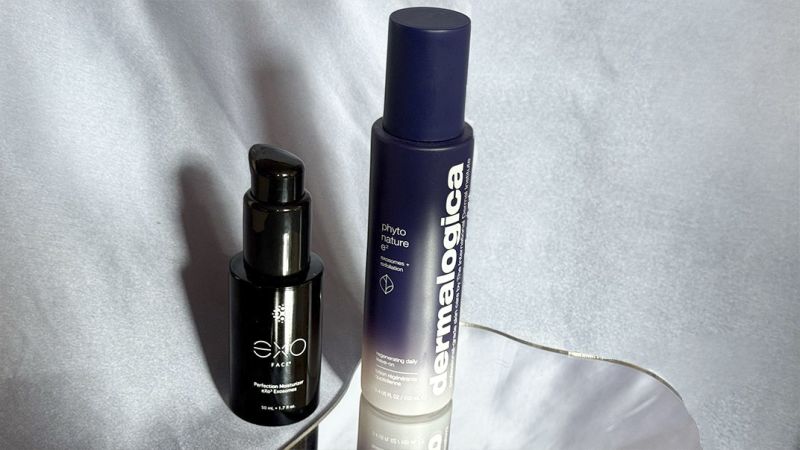
Skincare companies have seized the term. Marketed as miraculous regenerative agents, you’ll find them on $300 facial menus, in post-micro-needling procedures, and across influencers’ skincare routines.
To honor your privacy preferences, this content can only be viewed on the site it originates from.
An exosome is a teeny sac inside a cell, or what a scientist might call an extracellular vesicle. They act as tiny mailbags, shuttling mRNAs, lipids, and other genetic material through the cell membranes from one cell to another.
Exosomes are a part of the body’s internal messaging system, regulating everything from cell growth to hormone production and gene expression. They’re microscopic, measuring about 40 to 100 nanometers across, so small they make a red blood cell look massive in comparison. Scientists first discovered them under a microscope back in the 1960s, but they didn’t gain significant attention until the early 2000s.
In medicine, exosomes are being studied for cancer therapies, neurodegenerative diseases, and drug delivery systems. Because they reflect the state of the cells from which they originate, cancer cells often release exosomes that contain unique molecular fingerprints. Scientists are already using these biomarkers to assist in the early diagnosis of conditions like prostate cancer. The potential for early, non-invasive detection across a range of diseases is substantial.