HomeAI · summaries
Storia in 15 fonti
Nepal flood rescuers race to find hundreds that may still be trapped in tunnels
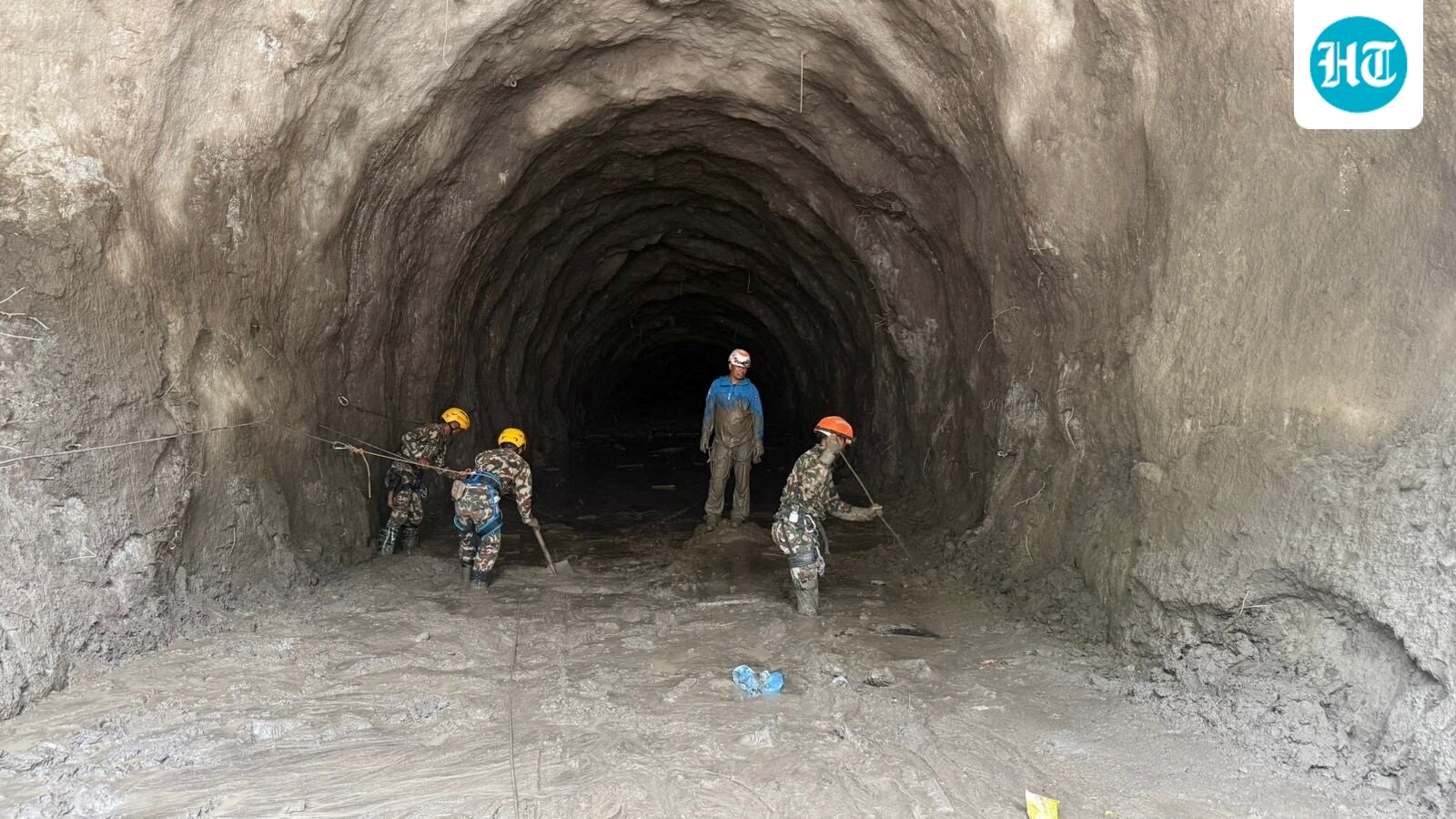
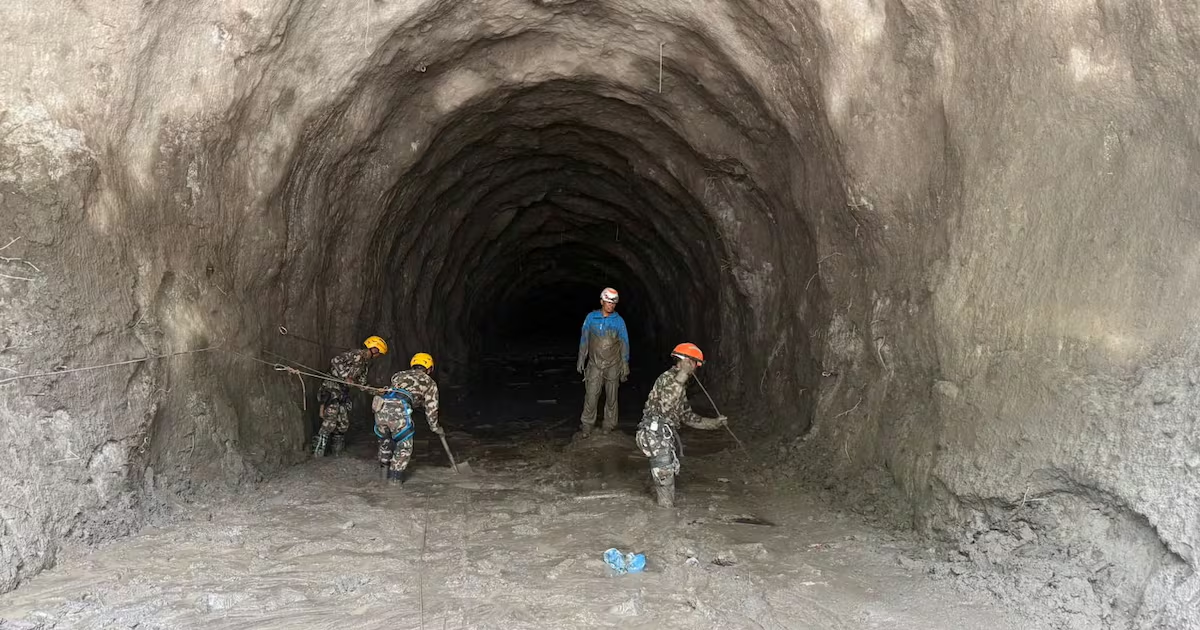
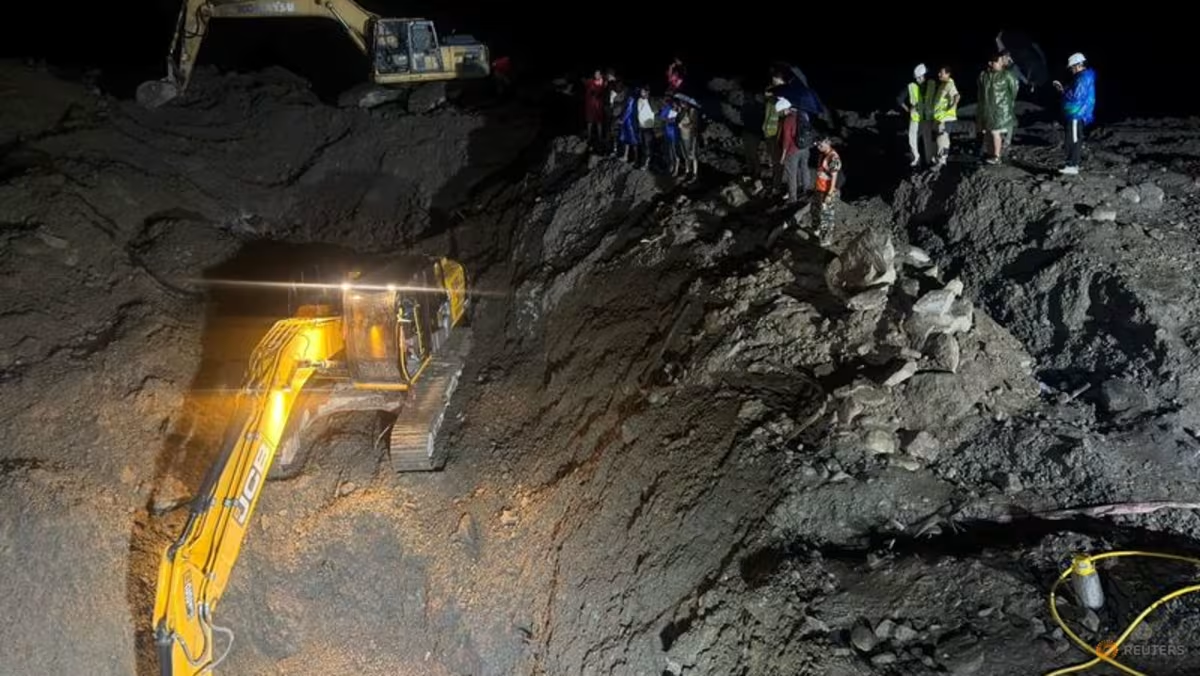
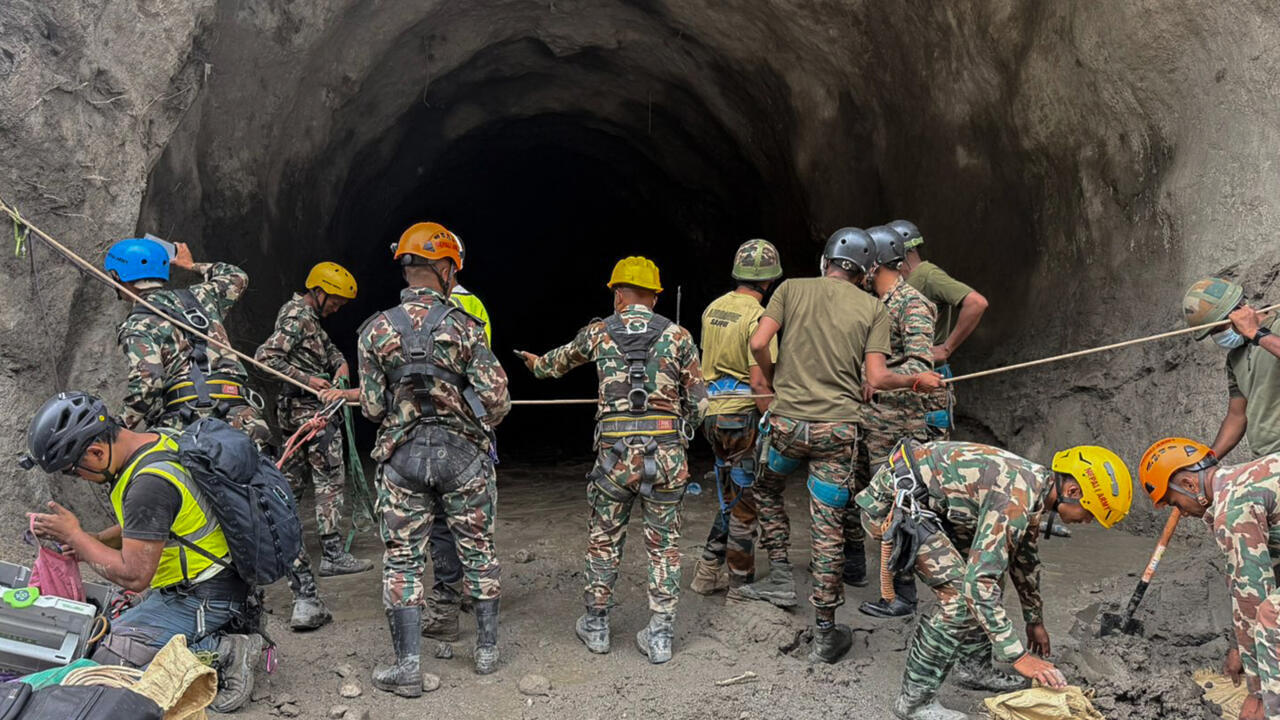
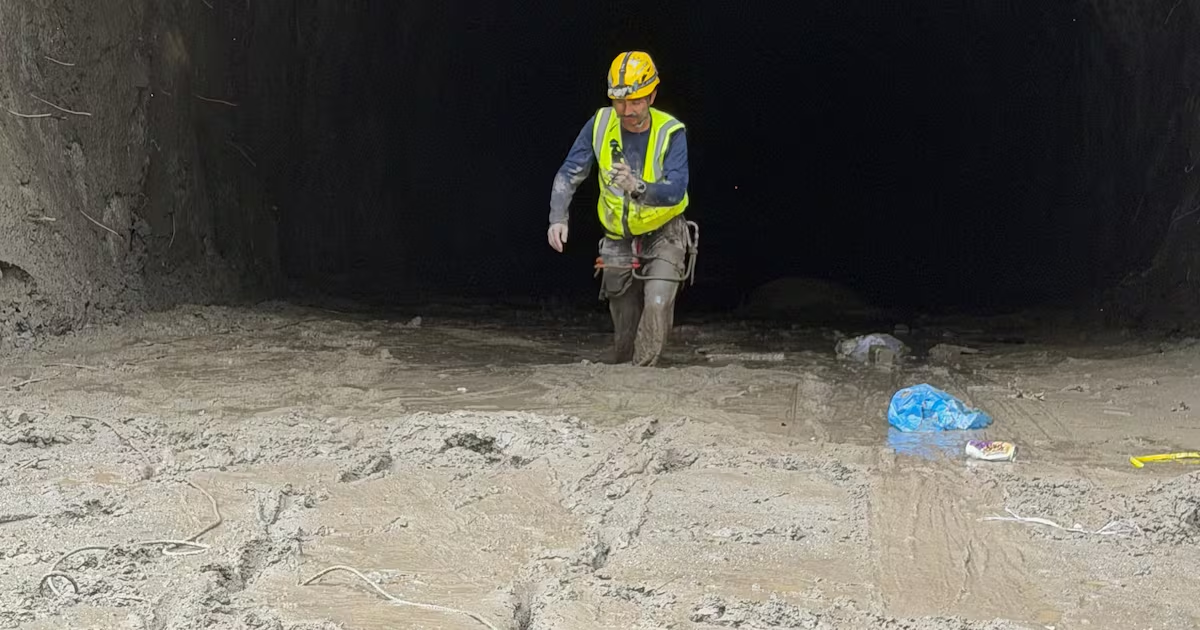
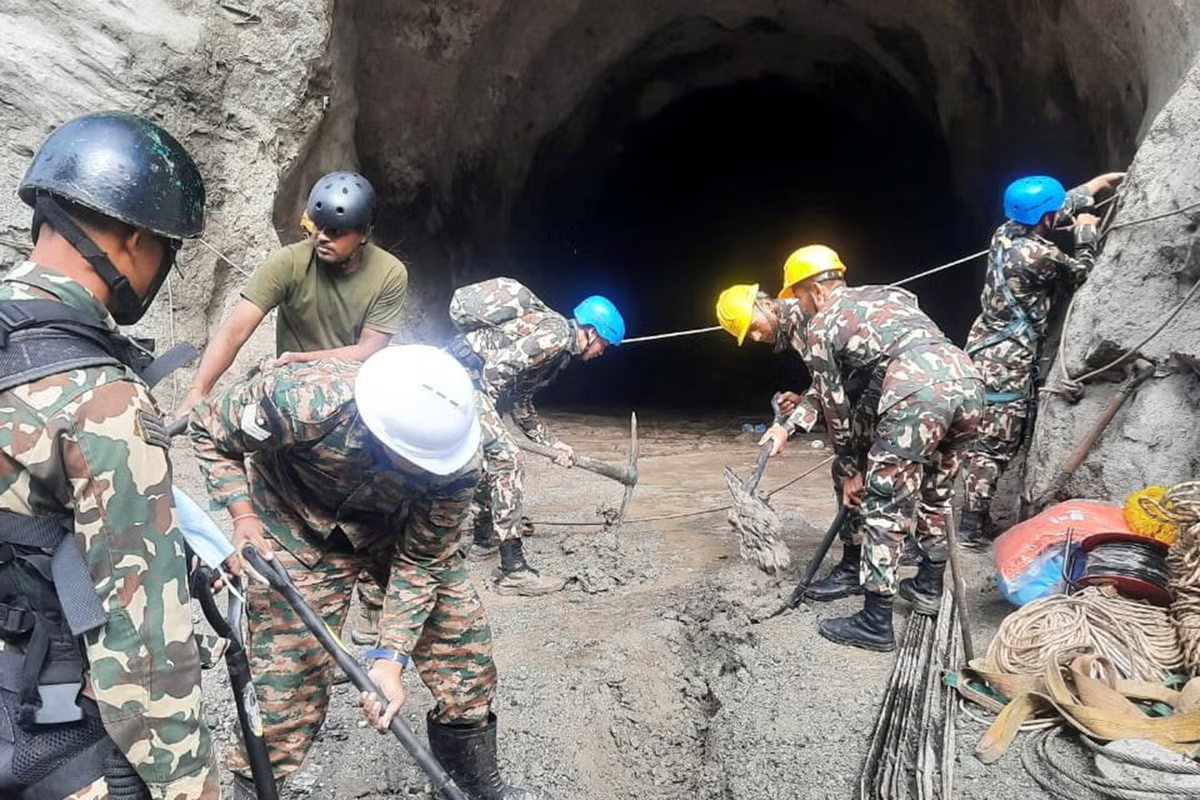
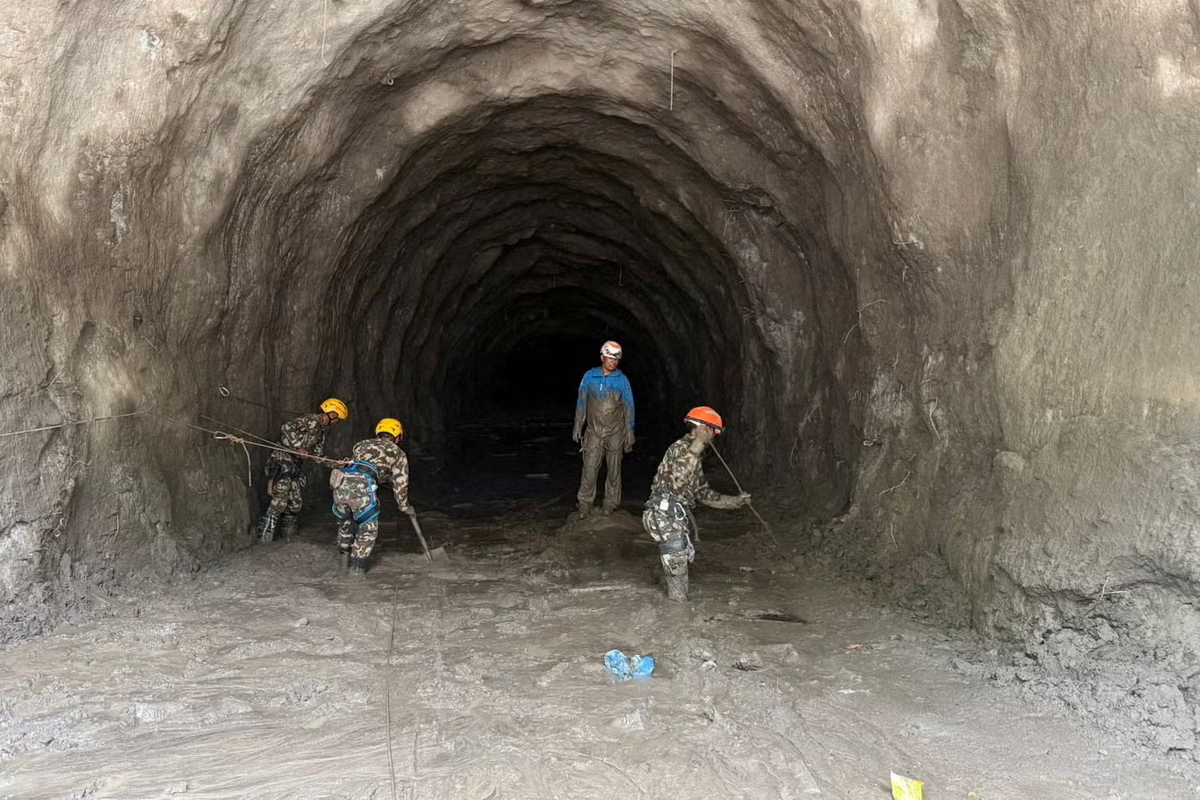
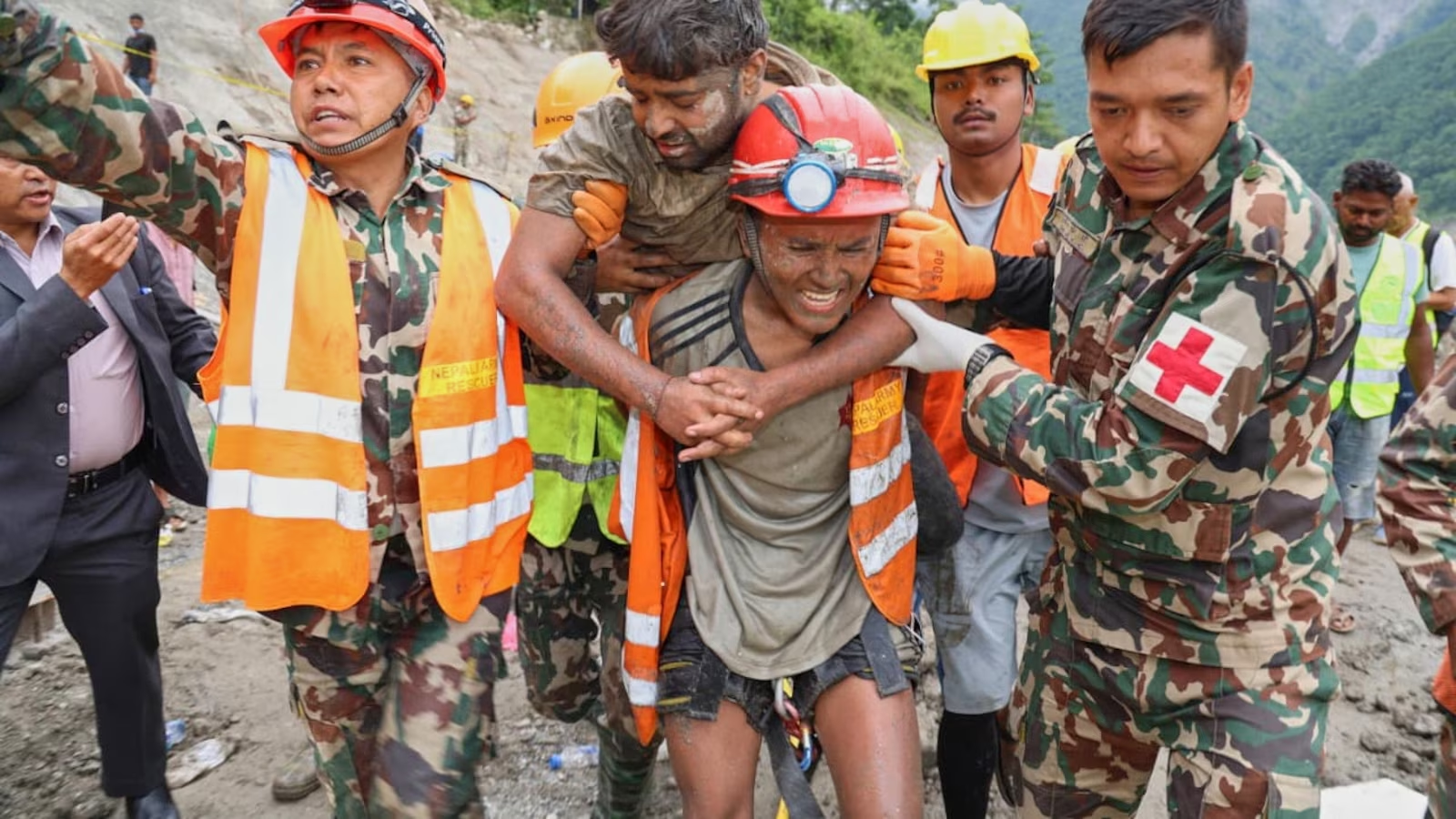
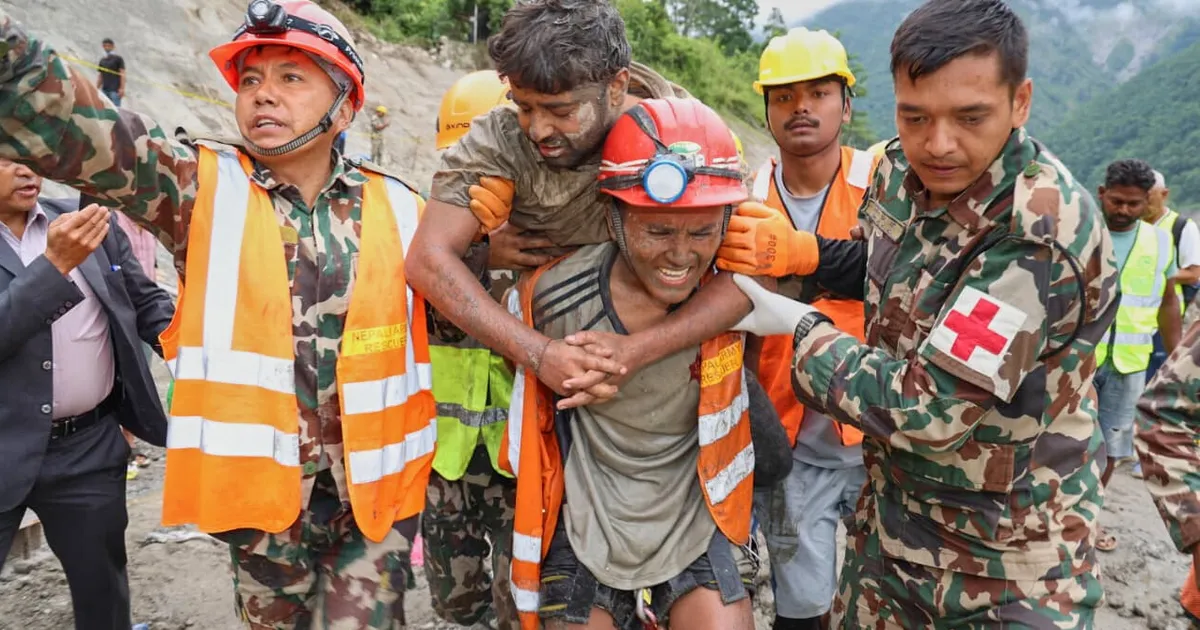
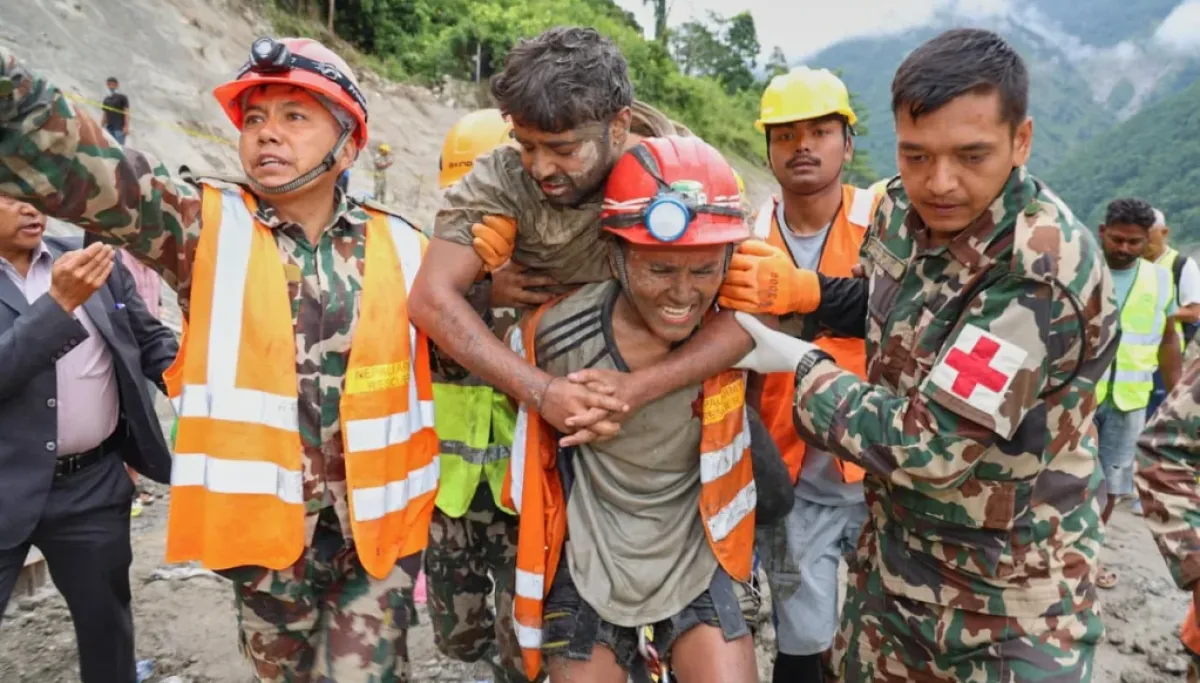
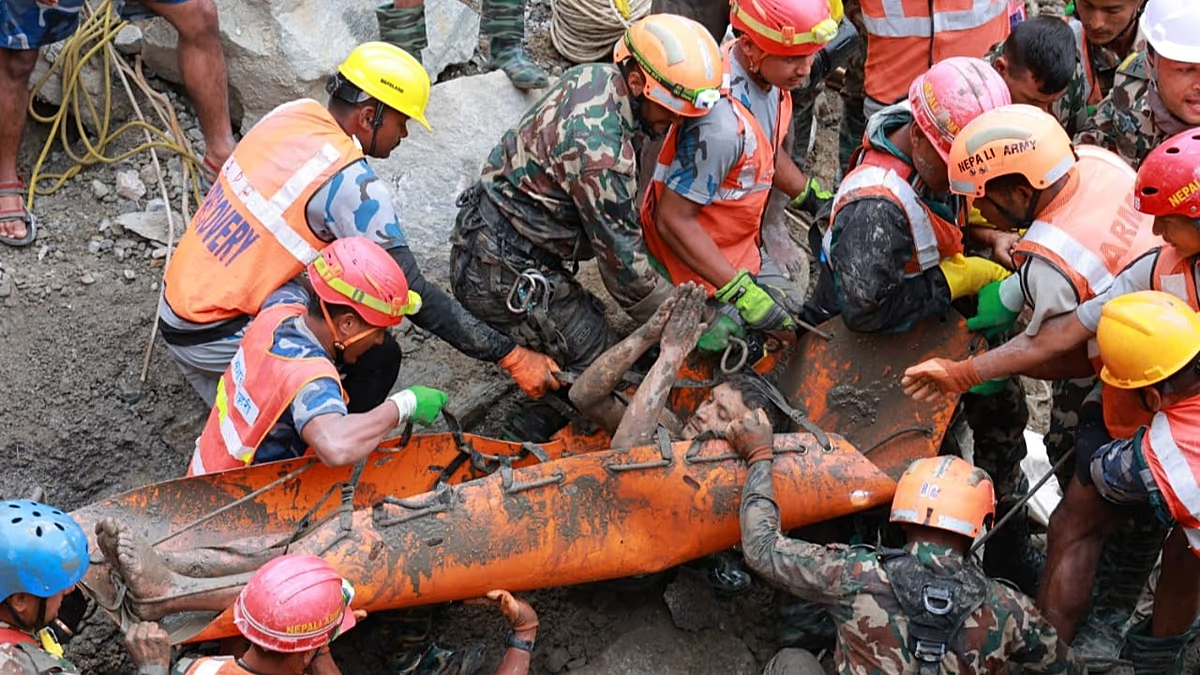
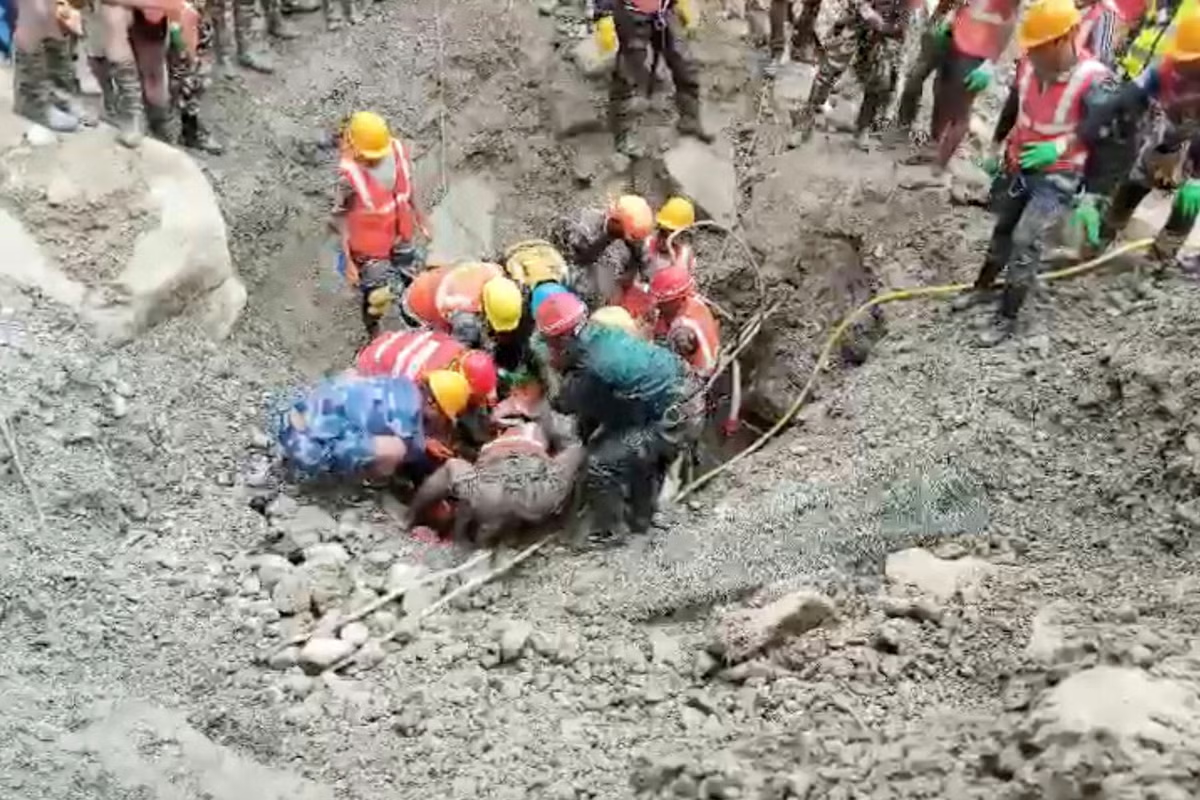
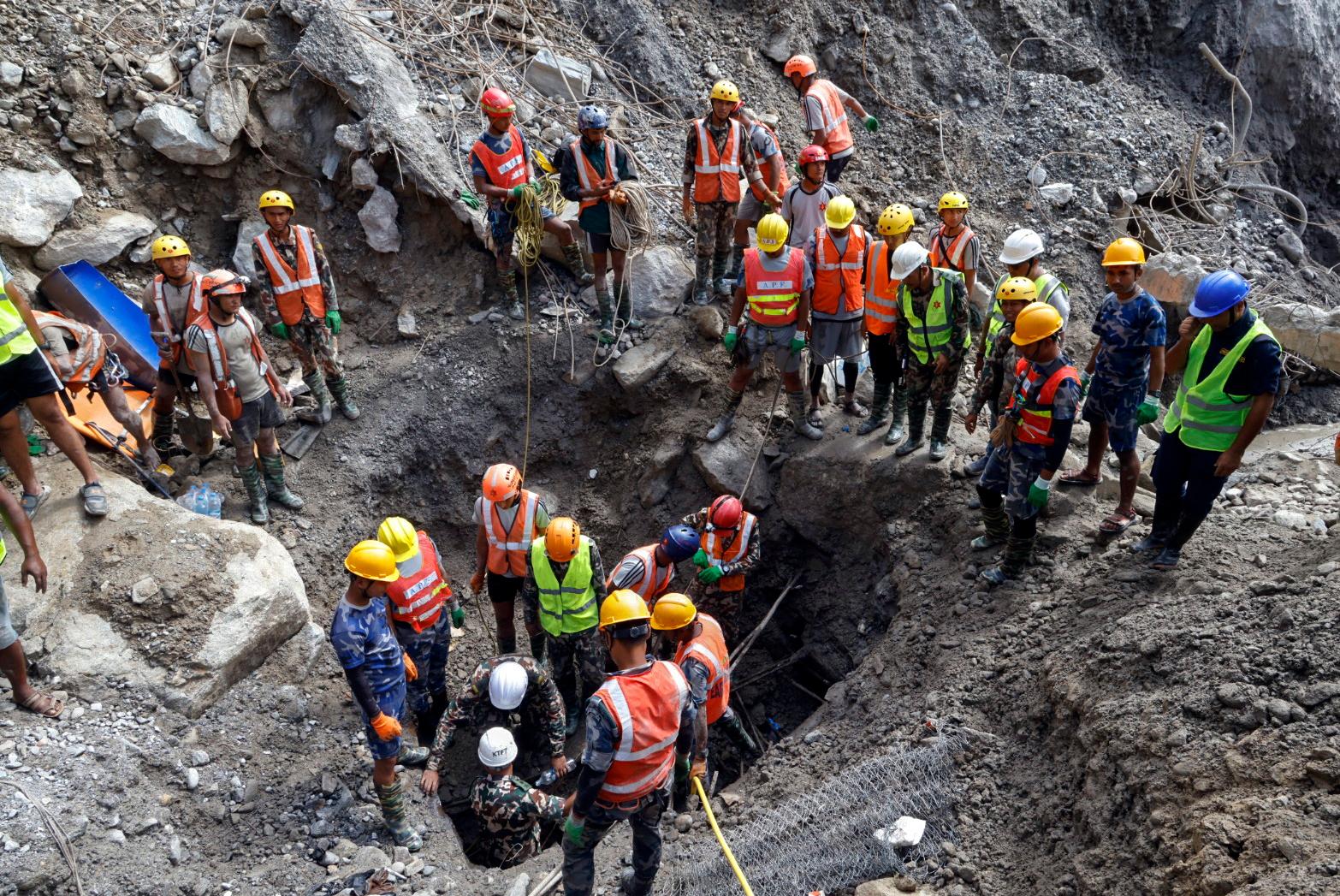
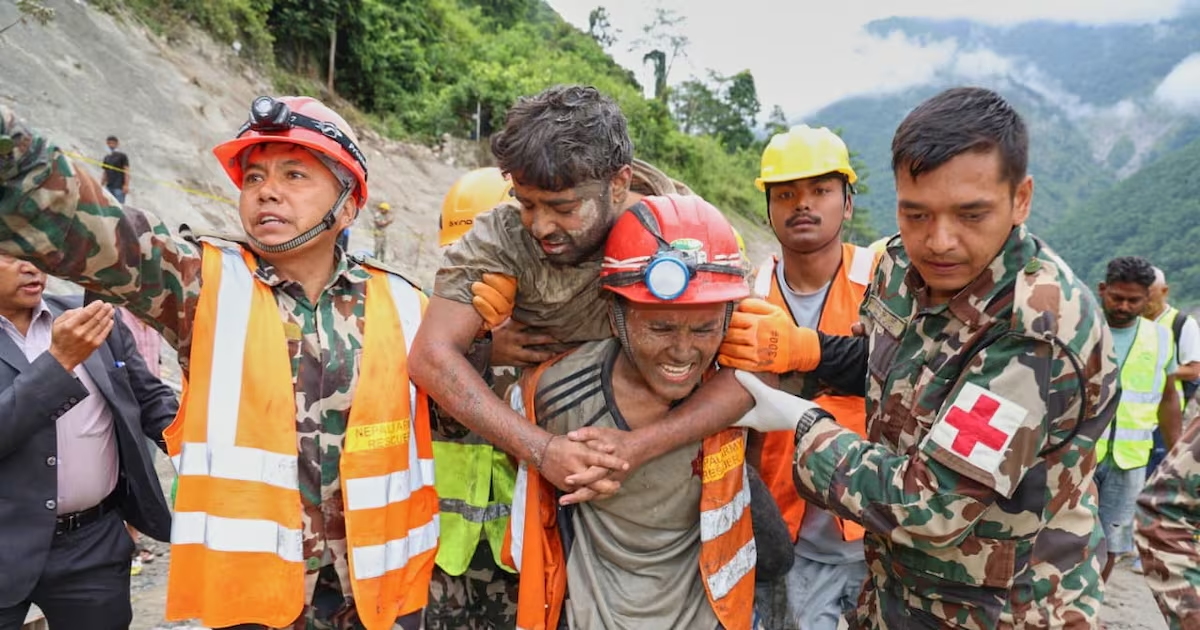
Jump to contentAllNewsSportCultureLifestyleRescue teams in Nepal, supported by Indian and Chinese specialists, are racing against time to reach approximately 669 workers that may still be trapped inside hydroelectric project tunnels along the Trishuli River following a devastating glacier collapse and flash floods. The disaster, which struck near the Nepal-Tibet border, has claimed at least 1,204 lives, with more than 4,200 people remaining missing across the mountainous region. Authorities remain optimistic that trapped workers may still be alive in dry chambers within large tunnels, including 46 people believed to be isolated in a room-like structure at the Rasuwagadhi Hydroelectric Project with access to food and water. Emergency crews are attempting to break into affected sites such as the Upper Trishuli 3A facility, where thick mud delayed operations for six days, and are actively using pipes to pump fresh oxygen into underground spaces. Prime Minister Balendra Shah confirmed that search and rescue operations remain the government's primary focus, despite emergency officials acknowledging that chances of finding survivors outside the reinforced tunnel structures are rapidly fading. In fullDozens of trapped workers could still be alive in ‘room-like’ structures inside Nepal’s tunnels, officials sayMore bulletinsThank you for registeringPlease refresh the page or navigate to another page on the site to be automatically logged inPlease refresh your browser to be logged in
Confronto fonti
6 prospettive sulla stessa storiaTimeline cronologica
- ·
economictimes.indiatimes.com
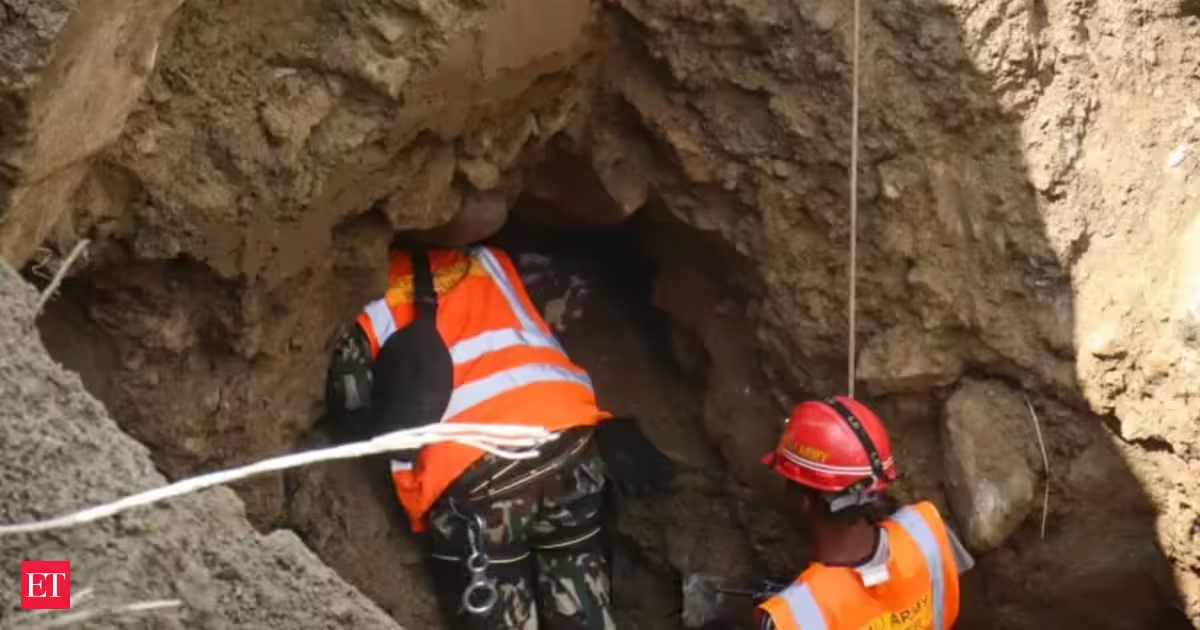
Nepal floods: Hundreds of workers feared stuck in hydropower tunnels as deaths cross 900
Rescuers race to free hundreds of workers trapped in tunnels after catastrophic floods. The combined death toll in Nepal and China surpassed nine hundred people. More than four…
- ·
abc.net.au
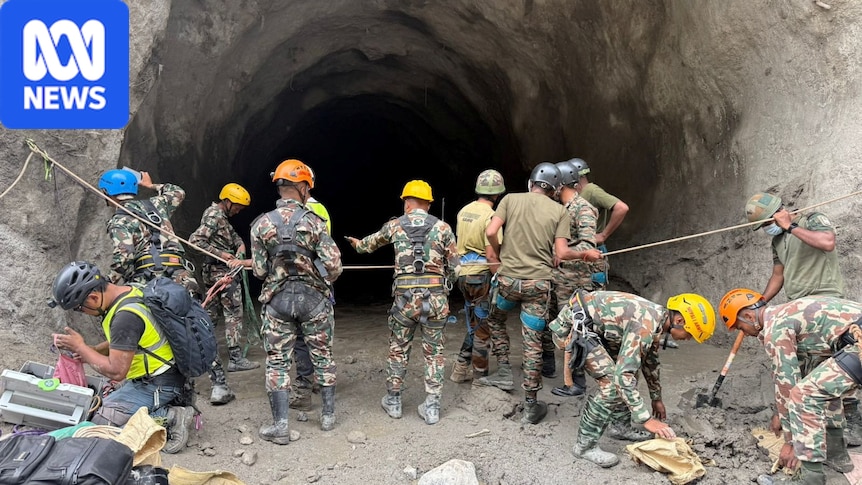
Hundreds feared stuck in hydropower tunnels since Nepal-Tibet floods
Rescuers are racing to free hundreds of workers believed to be trapped in tunnels at hydropower sites since last week's catastrophic flooding on the Nepal-China border, as the…