HomeAI · summaries
Storia in 2 fonti
Not tiger, not wolf: Australian thylacine skull reveals far different hunting style
A new study led by Flinders University has flipped the historic narrative about Australia’s thylacine, finding the native apex predator known as the ‘Tasmanian tiger’ was significantly different from the wolves and wild dogs it was likened to before being hunted to extinction. In-depth investigations on historic thylacine (Thylacinus cynocephalus) skull specimens indicate their jaws were probably unsuited to holding down large animals like sheep – instead their long, deep jaw would have been able to subdue relatively small prey with powerful snapping bites.
Confronto fonti
2 prospettive sulla stessa storiaTimeline cronologica
- ·
eurekalert.org
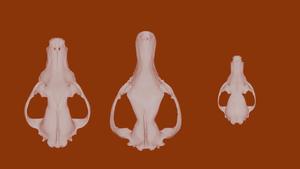
Not tiger, not wolf: Australian thylacine skull reveals far different hunting style
A new study led by Flinders University has flipped the historic narrative about Australia’s thylacine, finding the native apex predator known as the ‘Tasmanian tiger’ was…
- ·
infobae.com

El tigre de Tasmania no cazaba como un lobo: qué revelan los nuevos estudios
Análisis de cráneos, desplazamiento y filmaciones históricas indican que el tilacino recurría a mordidas veloces y emboscadas contra animales de tamaño reducido o intermedio