HomeAI · summaries
Storia in 2 fonti
The stars are still there, we just can't see them anymore as artificial light is now changing that view at an alarming pace, creating a brightening night that future generations may barely recognize
Artificial light pollution erases stars twice as fast as satellites measured. A child seeing 250 stars today may see fewer than 100 by age eighteen. This trend shows sky brightness increasing by 9.6 percent annually on average. Satellites missed much blue light and sideways emissions contributing to skyglow. Human observers measure visible stars, which differs from satellite radiance records.
Confronto fonti
2 prospettive sulla stessa storiaTimeline cronologica
- ·
timesofindia.indiatimes.com
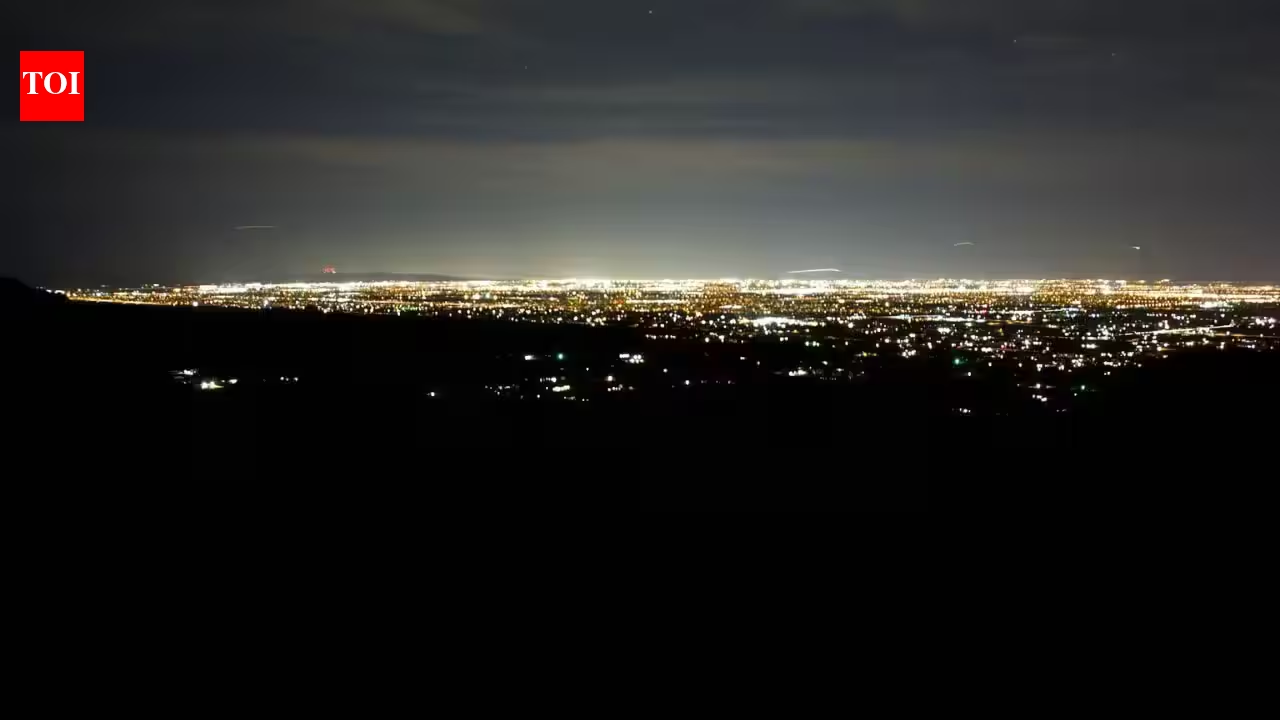
Children born today may not see the stars at night when they turn 18: Scientists warn that night sky is vanishing due to light pollution
The artificial glow of the night sky is commonly known as skyglow, and it represents a growing form of light pollution that is changing the way humans view the natural world.…
- ·
m.economictimes.com
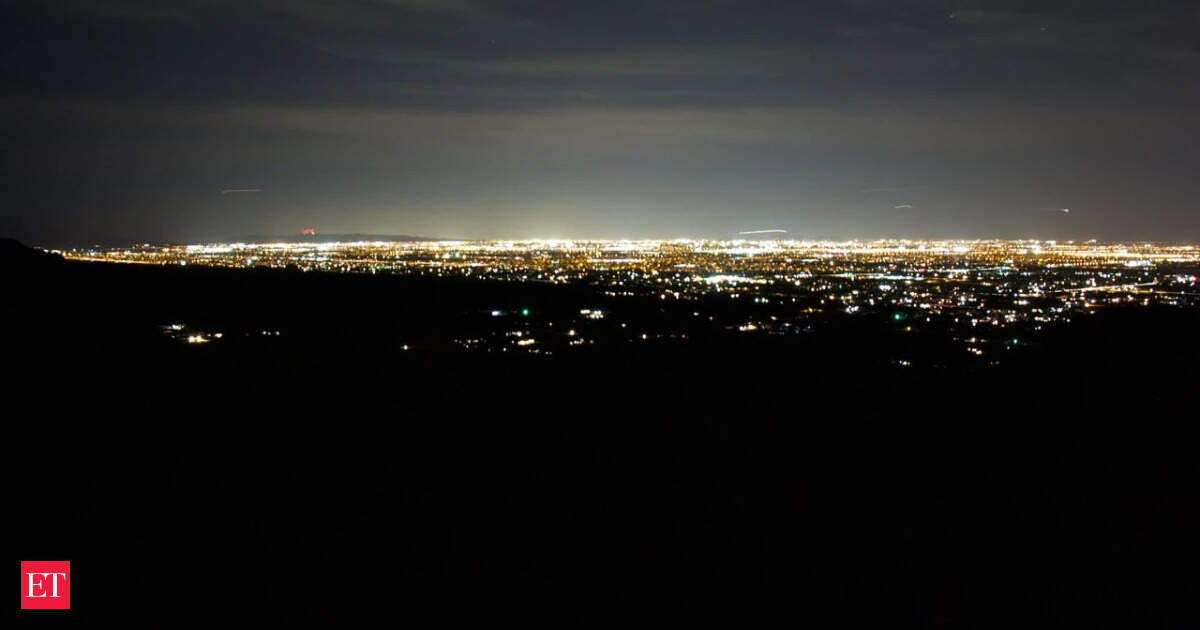
The stars are still there, we just can't see them anymore as artificial light is now changing that view at an alarming pace, creating a…