HomeAI · summaries
Storia in 2 fonti
In 1967, US satellites searching for nuclear tests detected mysterious flashes from space. Decades later, scientists uncovered secrets of gamma-ray bursts, which can release more energy in 10 seconds than Sun will emit over its entire 10-billion-year lifetime
Gamma-ray bursts, first detected accidentally in 1967, have long puzzled astronomers. Recent observations of their afterglows are now challenging established theories. These powerful cosmic explosions release extraordinary amounts of energy in mere seconds. Ground-based observatories detect gamma rays indirectly through atmospheric interactions. These new findings suggest the physics behind these events is more complex.
Confronto fonti
2 prospettive sulla stessa storiaTimeline cronologica
- ·
timesofindia.indiatimes.com
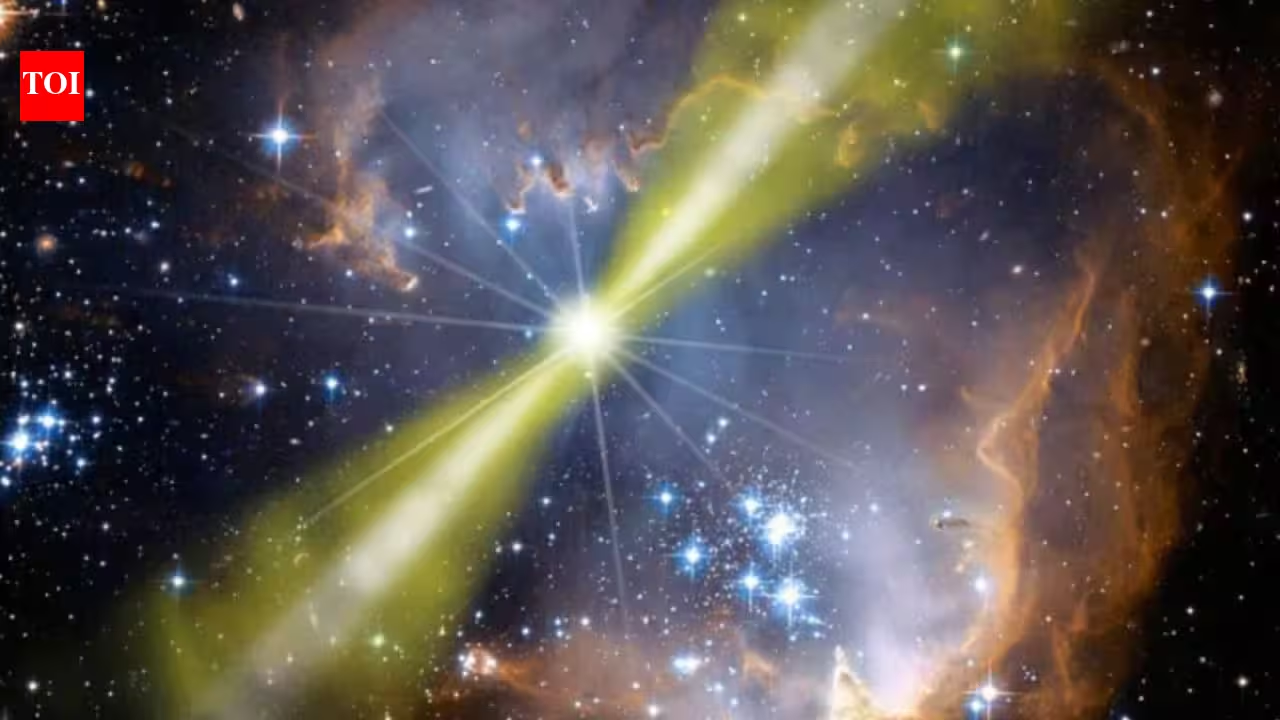
In 1967, US satellites hunting secret nuclear tests detected a flash from deep space; the accidental signal became the first observed…
For more than half a century, gamma-ray bursts have remained one of the most puzzling events observed in space. These bursts are sudden flashes of gamma rays, a very high-energy…
- ·
economictimes.indiatimes.com
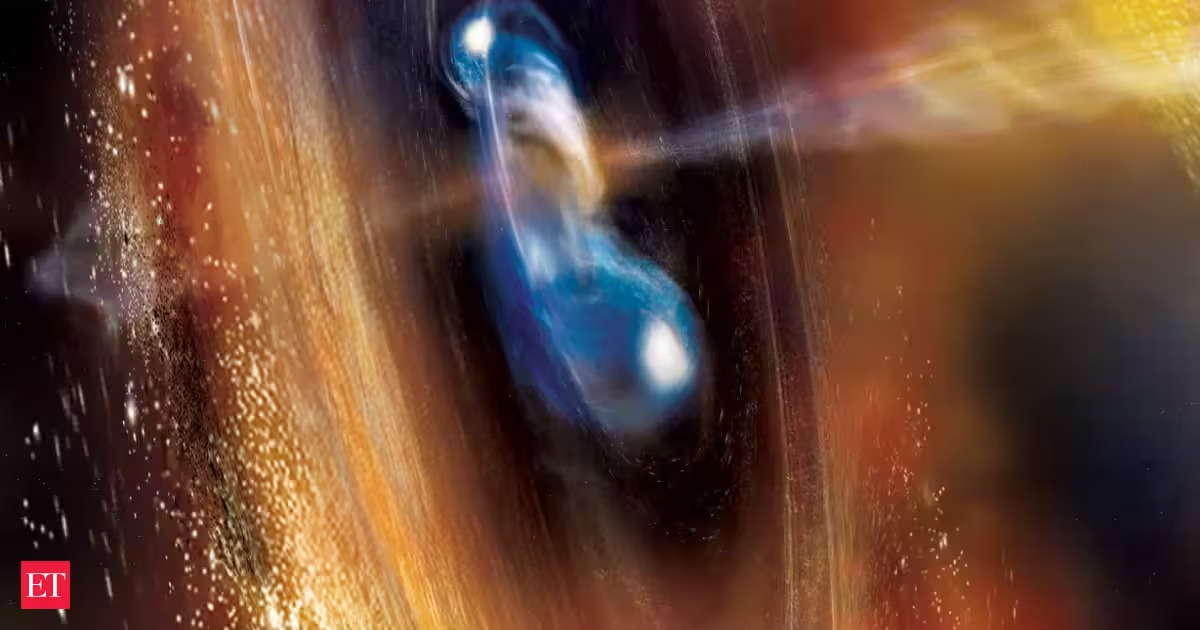
In 1967, US satellites searching for nuclear tests detected mysterious flashes from space. Decades later, scientists uncovered secrets of…