Home
Storia in 1 fonti
Scientists develop a new way to detect hidden water ice on the Moon using seismic waves
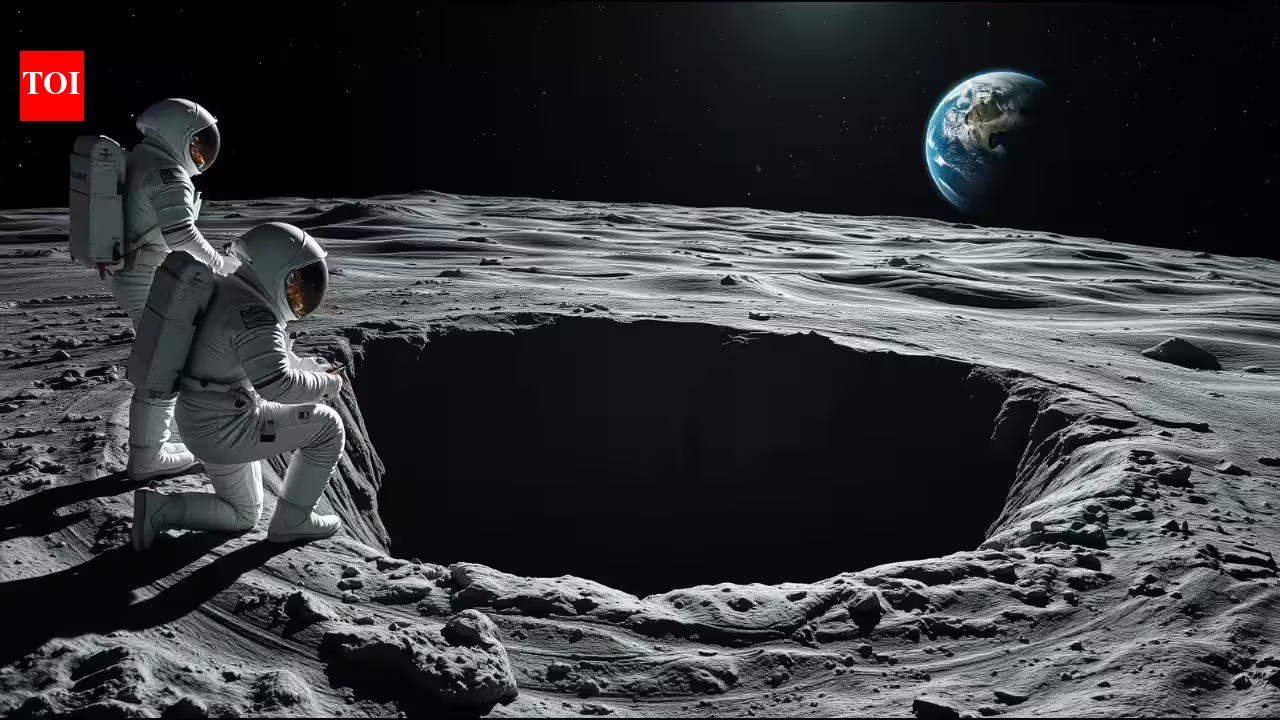
Beneath the permanently shadowed craters near the Moon's south pole, scientists believe significant deposits of water ice may be buried out of reach of the instruments currently used to search for it from orbit. A new study led by researchers at the University of Maryland, Lawrence Berkeley National Laboratory and the University of Hawaii proposes a different way to find it, listening for the way seismic waves, the same vibrations recorded during earthquakes on Earth, change as they pass through frozen versus dry lunar soil.
Raccontata da timesofindia.indiatimes.com