Home
Storia in 1 fonti
Secondhand smoke negatively impacts sleep quality in suspected sleep-disordered breathing
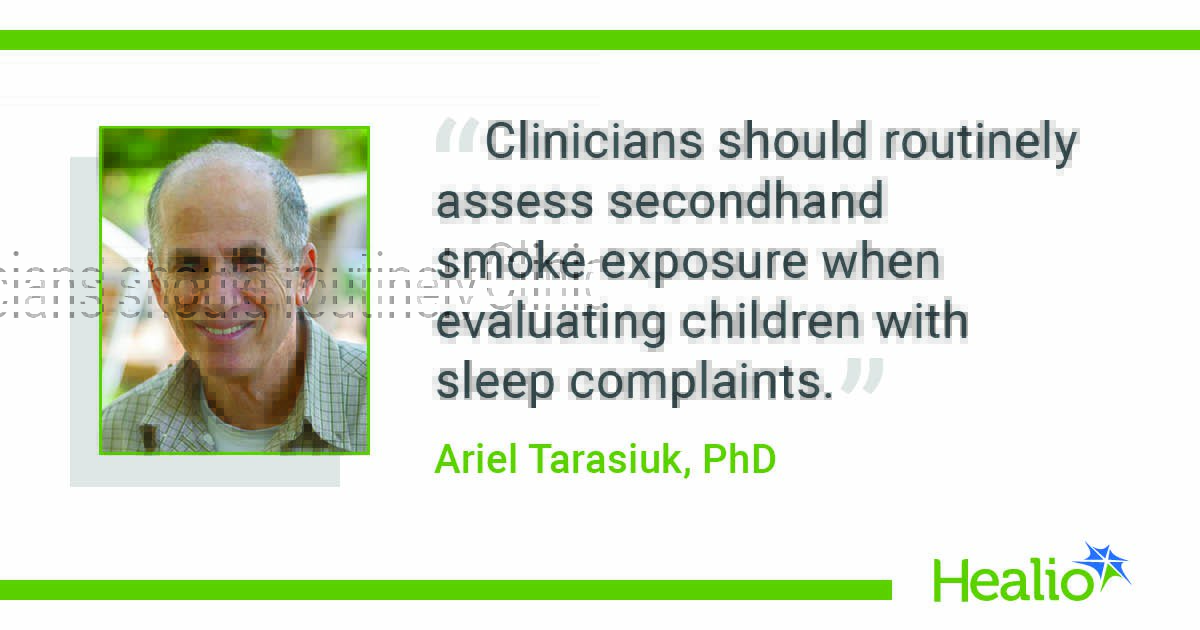
Among children with suspected sleep-disordered breathing, those with vs. without secondhand smoke exposure had greater sleep fragmentation but no difference in disorder severity, according to results published in Scientific Reports.Further, as urinary cotinine, a biological byproduct of nicotine, went up, two measures of sleep quality went down, according to researchers and a press release.
Raccontata da healio.com