HomeAI · summaries
Storia in 3 fonti
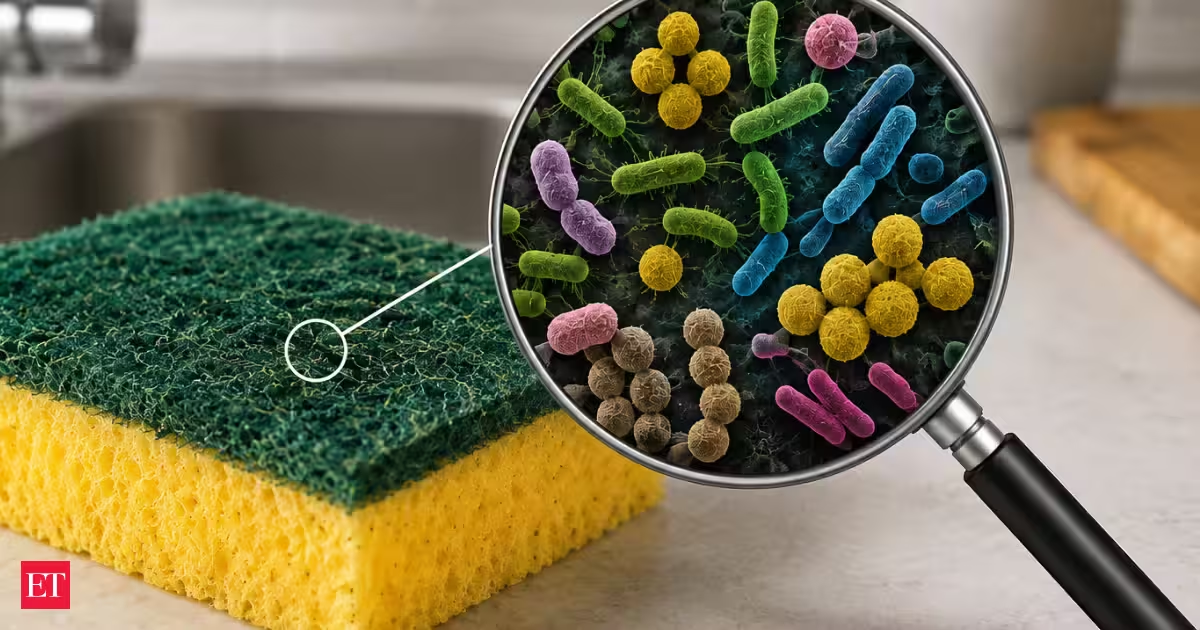
'Your kitchen sponge has more bacteria than toilet': Food safety officer shares deadly truth about how it may be making you sick without you even realising
Kitchen sponges can harbour more bacteria than toilet seats, potentially spreading germs instead of removing them. Their porous structure traps food particles and moisture, creating an ideal environment for bacteria to grow. According to food safety officer Ahana Nazar Hafis, replacing kitchen sponges at least once a week can help maintain better hygiene. She also suggests microfibre cloths as a more hygienic alternative because they dry faster and can be washed regularly.
Confronto fonti
3 prospettive sulla stessa storiaTimeline cronologica
- ·
dailymail.com
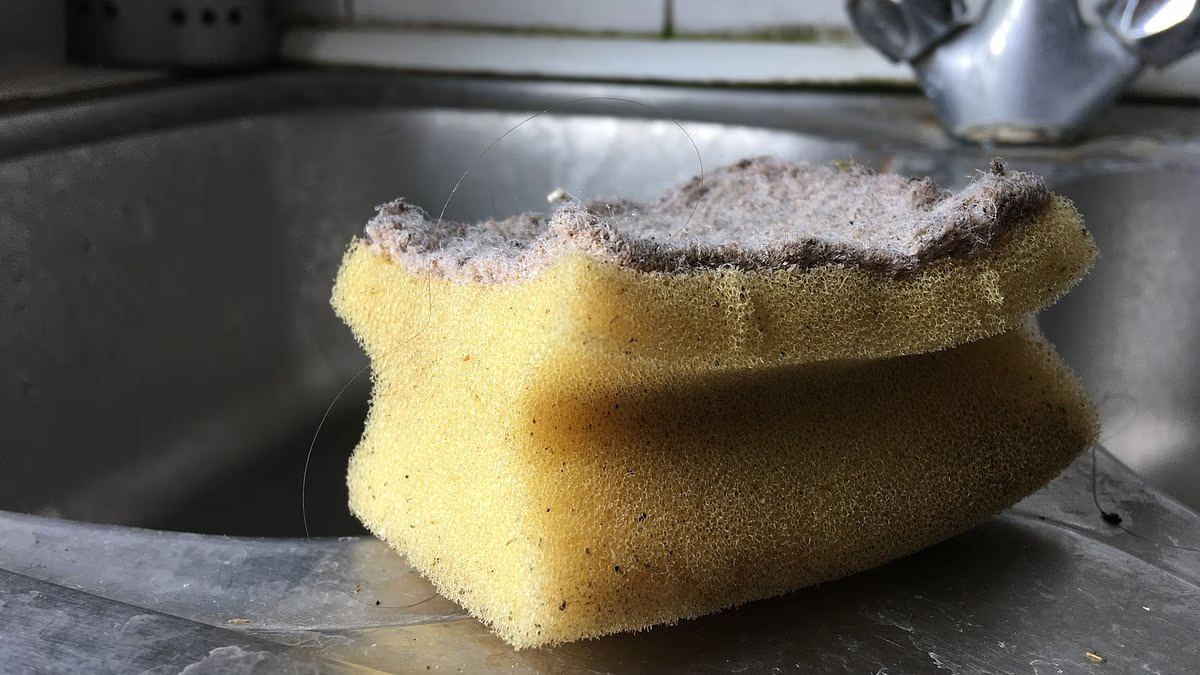
Microbiologist reveals how often you should change your kitchen sponge
How often should you change your kitchen sponge? Dr Primrose Freestone, Associate Professor in Clinical Microbiology at the University of Leicester, has settled the debate.
- ·
hindustantimes.com
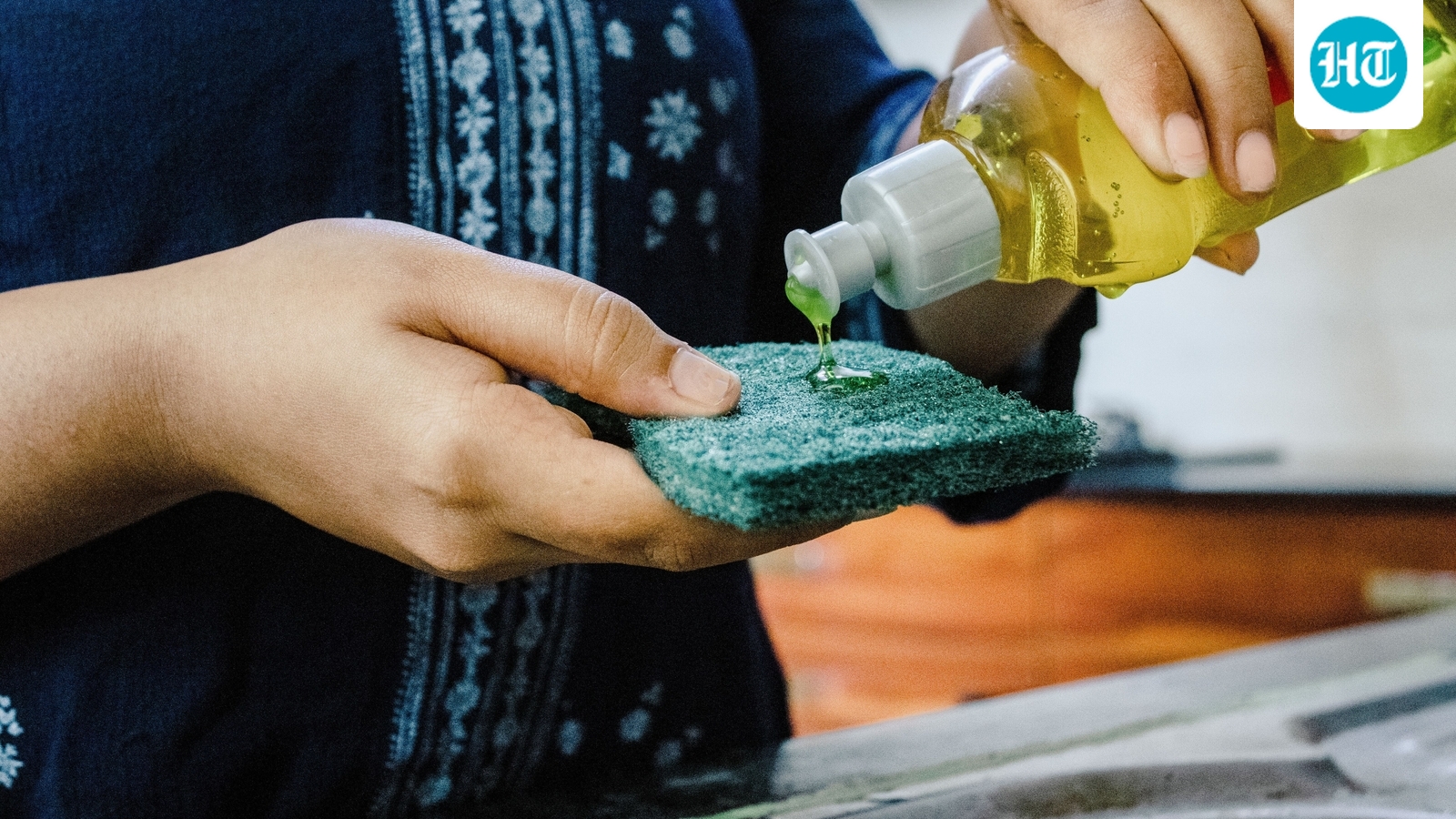
‘Kitchen sponges have more bacteria than your toilet’: Food safety officer shares when to replace, how to keep it clean
Regular cleaning kitchen sponges is insufficient; food safety officer recommends replacing them weekly to avoid spreading germs while washing dishes. | Health