Home
Storia in 1 fonti
Watch: Police attitudes on force and arrests: Do they align with the law?
The police response to the recent CJP “Chalo Sansad” march protesting the NEET paper leak has once again raised questions about the limits of police power. But what do police personnel themselves believe about the use of force, arrests and civil liberties? Drawing on the Status of Policing in India Report 2025, brought out by Common Cause and the Lokniti programme of the Centre for the Study of Developing Societies (CSDS), this video examines how police attitudes compare with the legal safeguards laid down under the Constitution, the Bharatiya Nagarik Suraksha Sanhita (BNSS), the Code of Conduct for the Police in India, and international human rights standards. The survey found that more than 70% of police personnel believe they should be allowed to use force without fear of punishment, nearly 69% favour arrest and detention without court oversight, and more than half support using “tough methods” to create fear among the public. What do these findings tell us about policing in India, and how do they compare with what the law actually permits?
Raccontata da thehindu.com
Timeline cronologica
- ·

Watch: NEET protest: lawyers say arrests continue despite Centre’s assurance | Above the Fold | 30.07.2026
The Supreme Court has questioned the police response to the July 20 NEET-UG protests, saying peaceful demonstrations should be met with restraint while examining allegations of…
- ·
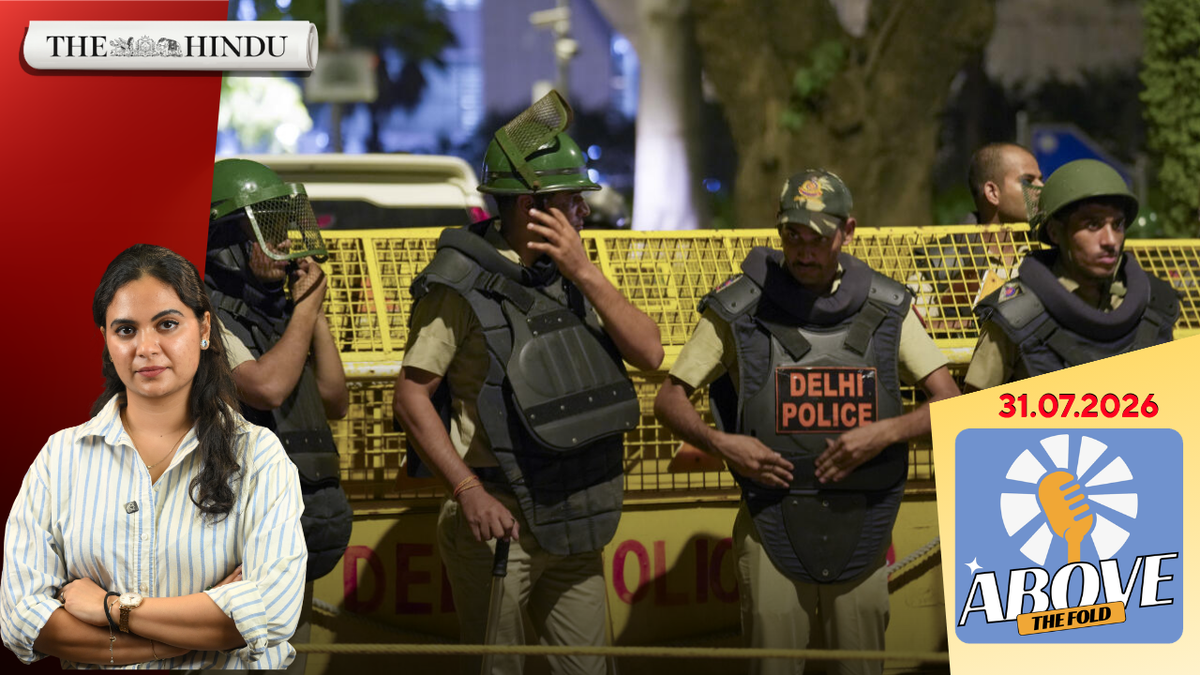
Watch: Police violence in India: do official numbers tell the full story? | Above the Fold | 31 July 2026
The Hindu's latest report reveals a striking gap between officially recorded police violence and widely documented incidents, raising fresh questions about accountability and…
- ·
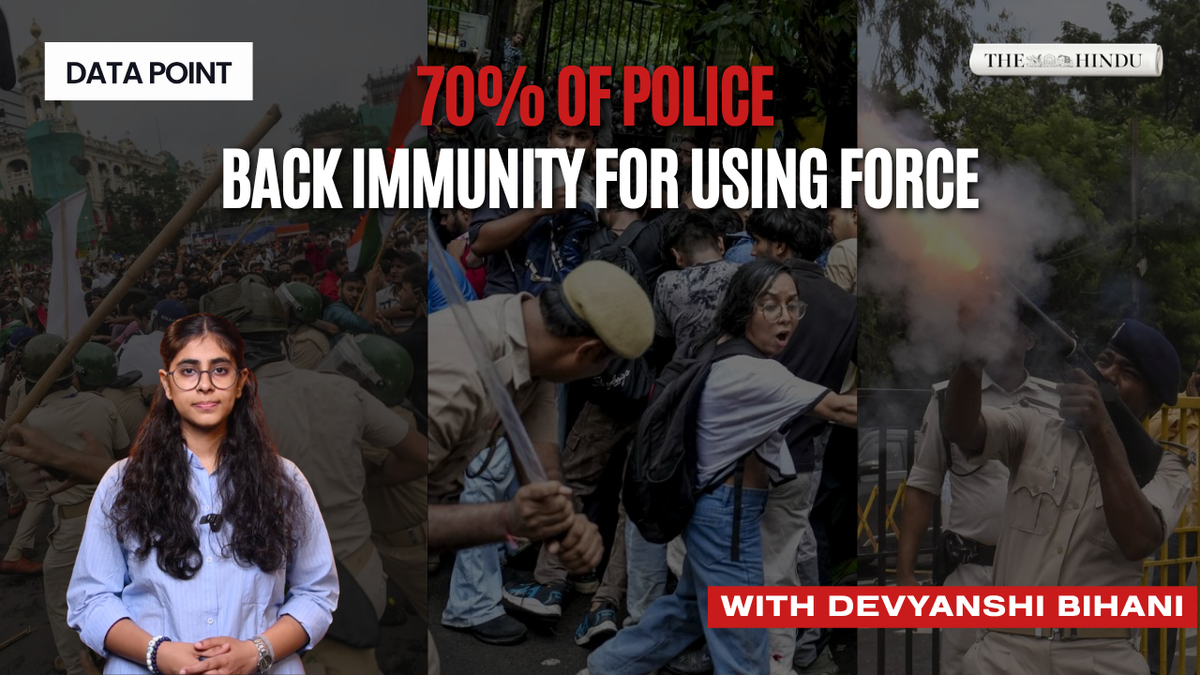
Watch: Police attitudes on force and arrests: Do they align with the law?
The police response to the recent CJP “Chalo Sansad” march protesting the NEET paper leak has once again raised questions about the limits of police power. But what do police…