HomeAI · summaries
Storia in 2 fonti
The Australian tree dropped from aeroplanes over Florida's Everglades that spread across nearly 500,000 acres
In 1936, a Florida landowner scattered melaleuca seeds from an aeroplane over the eastern edge of the Everglades, part of a deliberate, decades-long effort to dry out what was then widely viewed as unusable swampland and turn it into farmable ground. The tree, a fast-growing Australian species known as the paperbark, seemed perfectly suited to the task, since its roots draw up large volumes of water and release it through its leaves.
Confronto fonti
2 prospettive sulla stessa storiaTimeline cronologica
- ·
economictimes.indiatimes.com
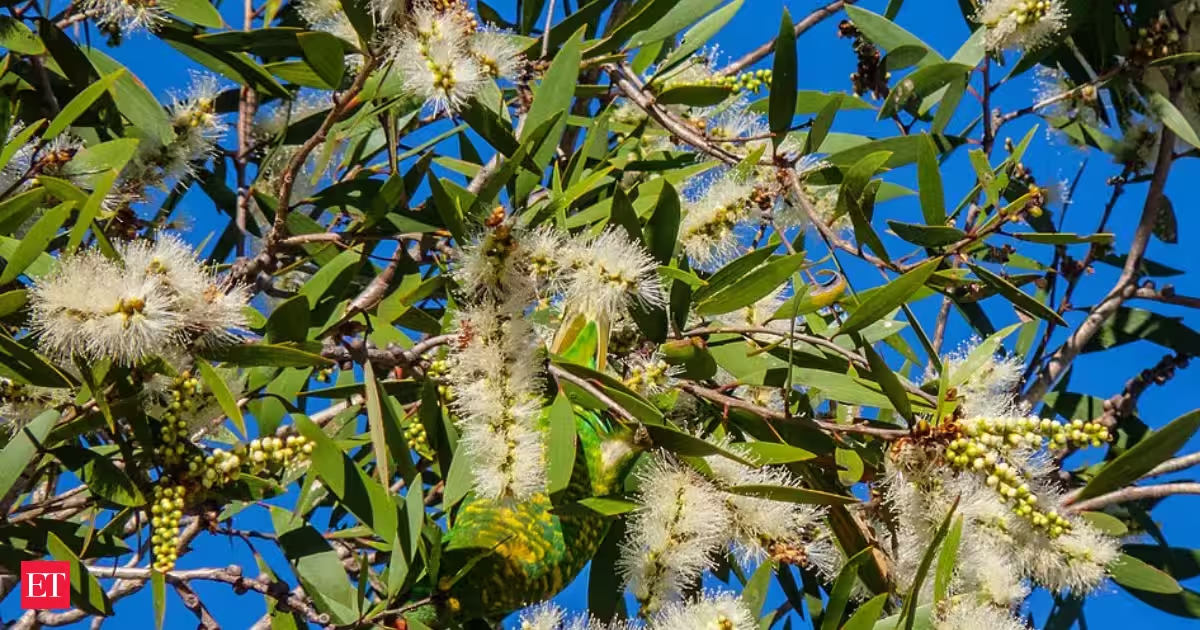
In the 1930s, a Florida nurseryman scattered Australian tree seeds from an airplane to dry wetlands; the trees later invaded more than…
Discover the unintended consequences of introducing the invasive melaleuca tree to the Everglades in the 1930s and its lasting impact on Florida's wetlands.
- ·
timesofindia.indiatimes.com
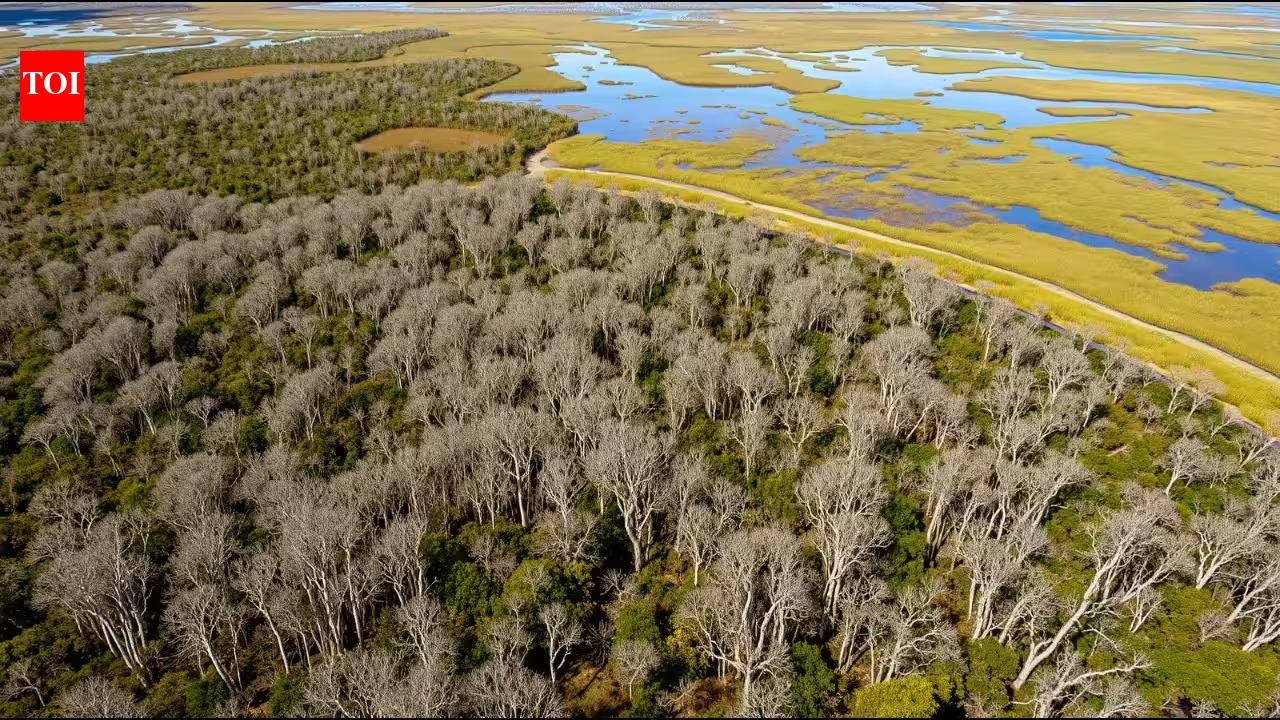
The Australian tree dropped from aeroplanes over Florida's Everglades that spread across nearly 500,000 acres