Home
Storia in 1 fonti
Scientists changed the fats in honeybees’ diets before pesticide exposure; survival rose to 90%, compared with below 50% on other diets
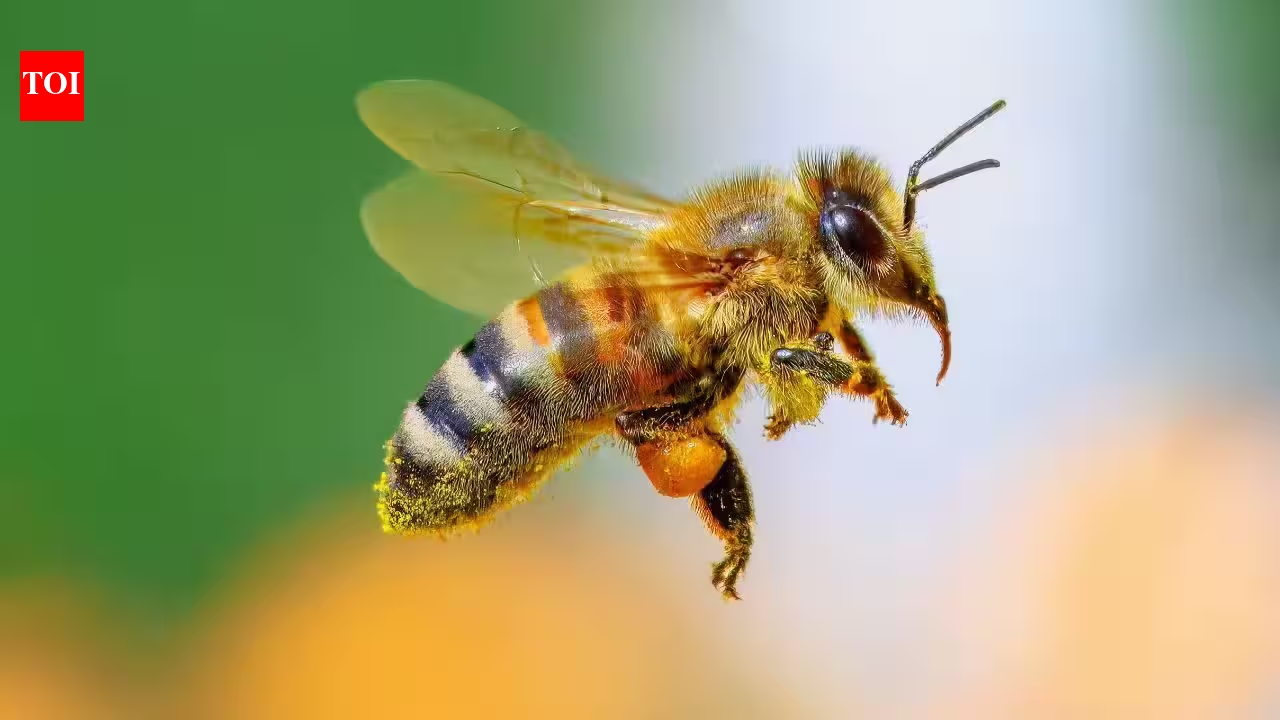
A new Penn State study suggests that honey bees may be better able to withstand pesticide exposure when their diet contains more polyunsaturated fatty acids, a type of fat commonly associated with healthy cell function, brain support and heart health in humans. In the experiment, bees fed a polyunsaturated-fat-rich diet had a 90% survival rate after pesticide exposure, compared with less than 50% for bees fed diets high in saturated or monounsaturated fats.
Raccontata da timesofindia.indiatimes.com