Home
Storia in 1 fonti
How kitchen sponges could be home to harmful germs and bacteria
Jump to contentThank you for registeringPlease refresh the page or navigate to another page on the site to be automatically logged inPlease refresh your browser to be logged inAllNewsSportCultureLifestyleKitchen sponges can harbour a variety of germs and bacteria (Getty/iStock)Kitchen sponges are identified as significant reservoirs for bacterial pathogens, with their porous structure and moisture providing an ideal environment for bacteria to multiply. New research confirms that harmful bacteria, including E. coli, Salmonella, and Staphylococcus aureus, can proliferate rapidly in sponges and survive for days, even after drying. These pathogens can easily transfer from sponges to other surfaces and food, posing a risk of food-borne illness if contaminated food is consumed without adequate heating. Relying on a sponge's appearance or smell to determine replacement is unreliable; sponges should be replaced frequently, especially after contact with raw meat, or disinfected with hot water above 70 degrees Celsius. Microfibre cloths are suggested as a superior alternative due to their lower bacterial retention, quicker drying time, and ability to be machine washed at high temperatures (at least 60 degrees Celsius). In fullThe harmful bugs silently growing in this common kitchen itemMore bulletinsThank you for registeringPlease refresh the page or navigate to another page on the site to be automatically logged inPlease refresh your browser to be logged in
Raccontata da independent.co.uk
Timeline cronologica
- ·
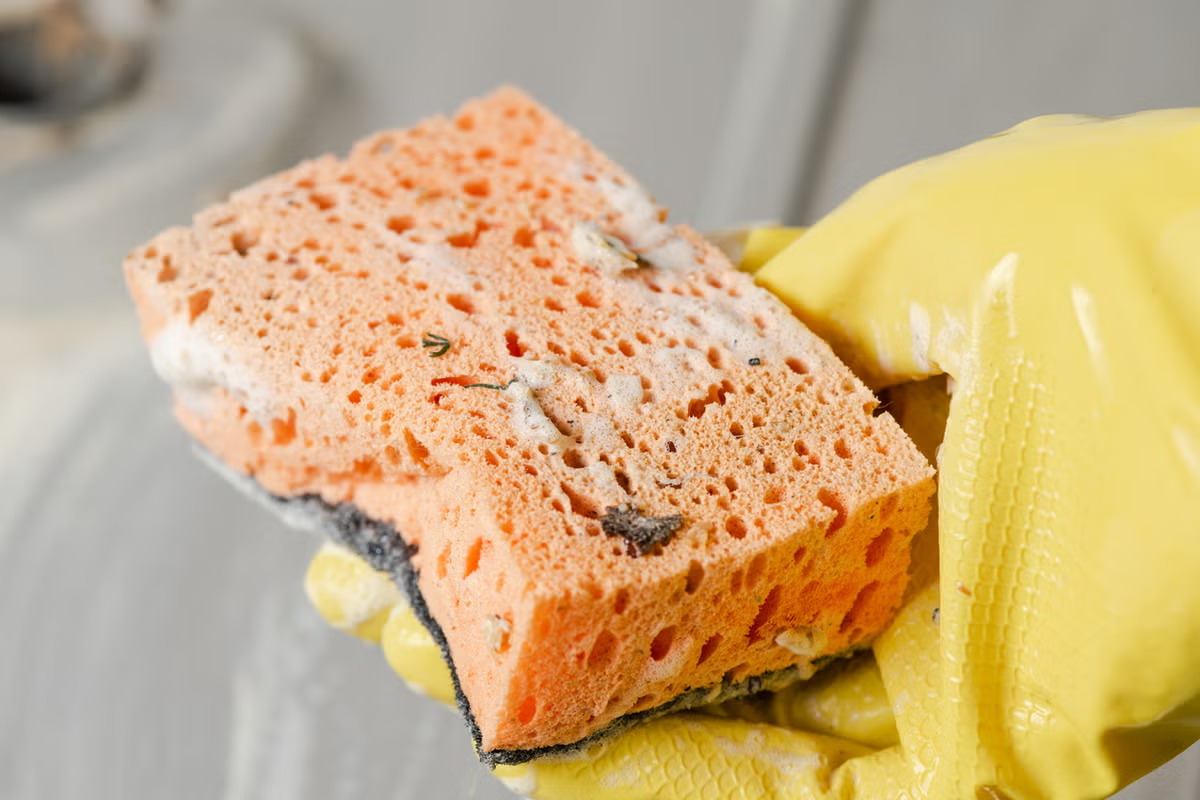
Your kitchen sponge could be spreading harmful bacteria around your home
That kitchen sponge sitting by your sink is not as innocent as it looks
- ·
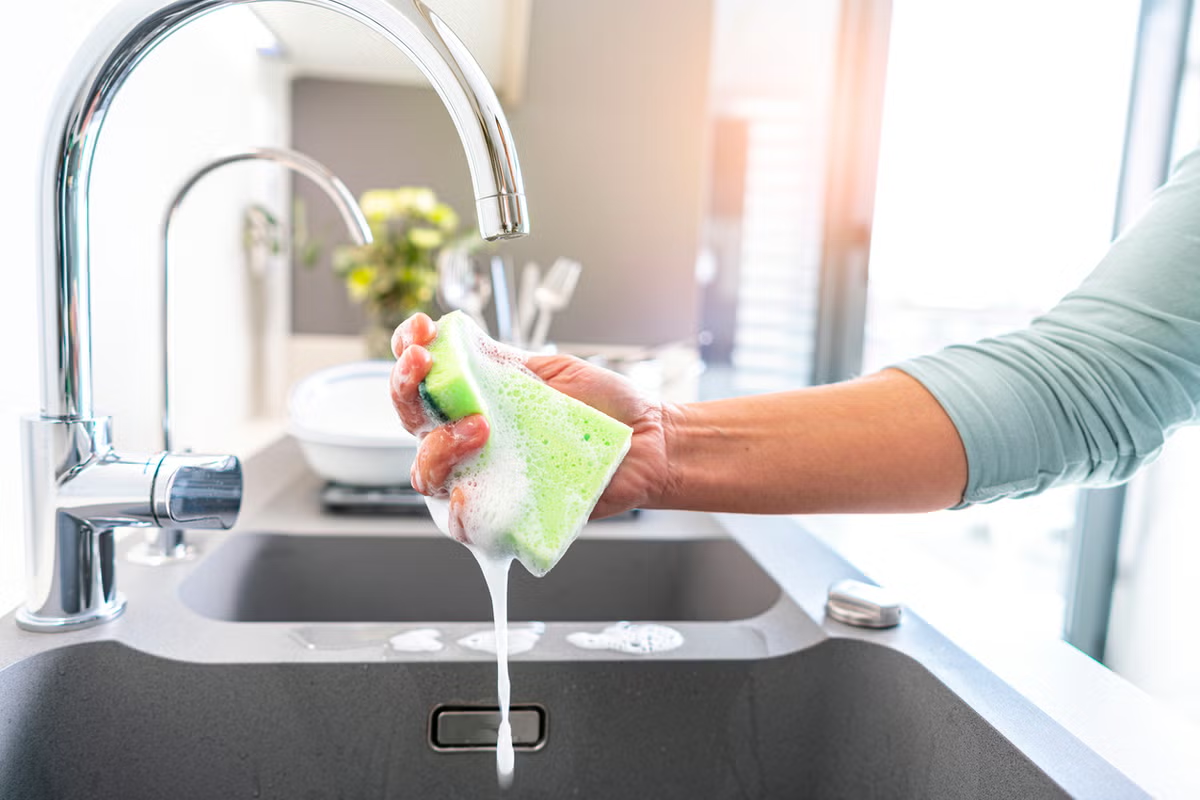
How kitchen sponges could be home to harmful germs and bacteria
Jump to contentThank you for registeringPlease refresh the page or navigate to another page on the site to be automatically logged inPlease refresh your browser to be logged…