Home
Storia in 1 fonti
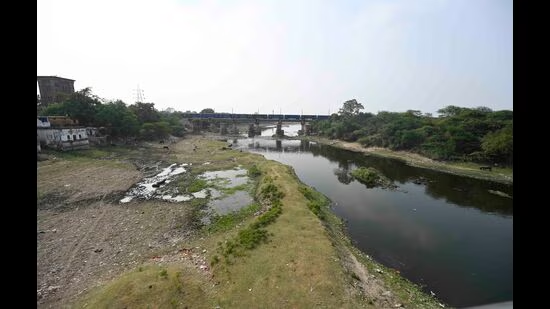
10,000 ponds may hold the key to Gomti’s rejuvenation
Environmentalists say reviving the river requires restoring ponds, protecting floodplains and improving sewage management across the basin. These traditional water bodies, located within a two-kilometre ecological radius of the Gomti and its tributaries, once functioned as a finely balanced hydrological system. They stored monsoon rain, recharged groundwater, reduced floods and sustained the river’s base flow during dry months. Today, encroachment, silt accumulation and neglect have disrupted the natural chain that once kept the river perennial.
Raccontata da hindustantimes.com